


1. About inoperable gliomas |
2. Methods of treatment |
3. Medical innovations |
4. Survival prognosis |
5. Leading clinics |
An inoperable brain tumour is a neoplasm that cannot be removed surgically because of the high risk of death or serious complications like disability. It usually has no clear boundaries, making the identification of malignant cells from healthy ones, which is necessary for getting clear surgical margins, very difficult. The most common primary brain tumours are gliomas. They differ in malignancy, type, and prognosis for survival. Inoperable gliomas can be either low-grade (sometimes called benign) or high-grade. Read more about how to treat these tumours and the patient’s chances of survival in our article.

Listen to the article:
When are gliomas considered inoperable?

According to Johns Hopkins University, a brain tumour is considered inoperable if its resection could cause death, substantial or total loss of important body functions, or aggravation of the disease.
These neoplasms can be located near critical brain structures, in hard-to-reach places, or be quite large.
Surgery is not recommended if there is significant tumour involvement of the corpus callosum, basal ganglia, brainstem, primary motor cortex, etc. The feasibility of intervention is also questionable if the glioma has metastasised to distant organs and body systems.
Some brain neoplasms that are considered inoperable can be removed by very experienced neurosurgeons. Therefore, if a patient has been told that their tumour is unresectable, they may need to seek a second opinion at a major centre for the treatment of such diseases. Advanced surgical techniques are usually available at these facilities.
Find out more about treatment options for inoperable gliomas or other brain tumours from the coordinating doctors at MediGlobus International Medical Platform. Click the button below and fill in the feedback form.
Treatment options for inoperable gliomas
Despite the advances of modern medicine in the treatment of brain tumours, some neoplasms really cannot be removed surgically. This is most often related to their location, spread or type of tumour. For unresectable gliomas, the treating doctor may recommend other options for dealing with the disease. For example:
 chemotherapy,
radiation therapy,
radiosurgery,
immunotherapy,
targeted therapies,
clinical trials.
The treatments listed above do not eliminate the pathology, but they can significantly improve the patient’s condition and prolong their life. In some cases, a biopsy or removal of part of the tumour may be performed. This provides an opportunity to alleviate symptoms. The outcome of such interventions is determined for each patient individually.
 Read:
Read: Chemotherapy feasible treatment for inoperable brain tumours. It can involve different regiments of antitumor drugs that have to be injected regularly over some time. The number of courses and the choice of drugs is calculated and chosen personally. The drugs are usually given intravenously or in tablet form. Temozolomide is often prescribed for gliomas.
Radiation therapy for inoperable gliomas is one of the most used treatments. This can be either distant radiotherapy or internal radiotherapy (brachytherapy). The latter involves injecting radioactive elements into the tumour or the area next to it.
External radiation is administered using a special machine. The radiation beams affect the tumour, destroying the abnormal cells and preventing their growth. The types of remote radiotherapy that can be used for brain tumours:
intensity modulated radiation therapy (IMRT),
three-dimensional conformal therapy (3D-CRT),
stereotactic radiosurgery.

Targeted or immune drugs are also used for inoperable gliomas. This is a biological method of oncotherapy, that is not as toxic as chemotherapy, for example. These drugs attack the cancer cells and leave the healthy ones untouched. Treatment with these drugs is more easily tolerated by patients and has few serious side effects.
Innovations in the treatment of inoperable glioma
Ultrafractionated radiotherapy for inoperable gliomas showed overall patient survival and progression-free survival of 9.5 and 5.1 months, respectively, according to a study published on the US National Library of Medicine website.

This method is a new radiotherapy regimen involving irradiation of the tumour several times a day with low doses of radiation (<0.75 Gy).
A total of 31 patients with histologically confirmed, newly diagnosed and unresectable supratentorial glioblastoma (WHO Class IV) participated in the study. Irradiation was performed 5 days per week, 3 times per day with an interval of 4 hours. The therapy lasted for 6-7 weeks. It has been proven to be safe and effective.
Another innovative way to fight inoperable gliomas was brain chemotherapy with ultrasound. It was carried out in Canada, at the Toronto Clinic for sick children. The patient was a child with a diffuse internal brainstem glioma.
“The use of focused ultrasound is an innovative and non-invasive approach to deliver chemotherapy drugs more effectively directly to the tumour,” Dr Nir Lipsman, director of the Harquail Neuromodulation Centre in Sunnybrook, said in a statement.
The new method involves using low-intensity ultrasound to cross the blood-brain barrier (the cells that protect the brain from harmful substances). By crossing this barrier, chemotherapy can more effectively target the tumour and destroy it.
In the future, it is planned to use this technology in 10 more patients aged 15-18 years old with glioma of the cerebral pontine. The treatment will include three cycles of chemotherapy four to six weeks apart. The patients will be under general anaesthesia during the procedure. They will wear a special helmet on their head to deliver ultrasound energy to targets in the brain without a need for incisions.
The prognosis for survival in inoperable gliomas
Survival prognosis in inoperable gliomas is strongly influenced by tumour type and available therapy options. Patients with unresectable glioblastoma usually have a worse prognosis than those with possible total resection.
However, patients who have received adjuvant therapy (an additional treatment that is given after the main treatment) show a longer overall survival compared to untreated patients. This is especially true for young people in good clinical condition at the time of admission.
According to data published by the German-British academic publishing company Springer Nature, the median survival for patients treated is approximately 7 months, while that for untreated patients is one month.
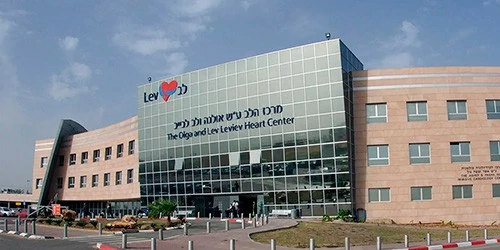
Where can I get treatment for benign and malignant inoperable brain tumours?




Summary
Inoperable gliomas are neoplasms that consist of glial cells and cannot be surgically removed. Contraindications to surgery include the large size of the neoplasm, the location of the tumour near critical brain structures, and a high likelihood of death or serious complications after surgery.
Inoperable gliomas are treated with chemotherapy, radiation, radiosurgery, and targeted or immune drugs. Clinical trials of new methods or drugs for inoperable brain tumours are also available in some overseas clinics.
Survival of patients with inoperable glioblastomas is approximately 7 months. Innovative therapies can increase life expectancy, whereas without treatment the survival rate is significantly reduced.
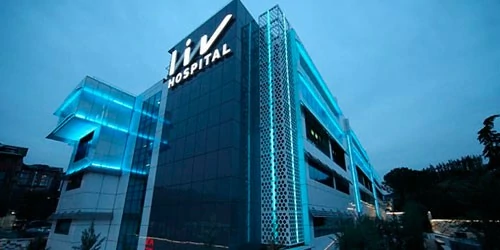
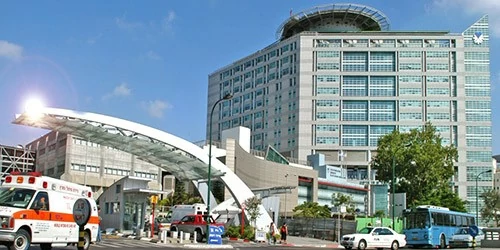
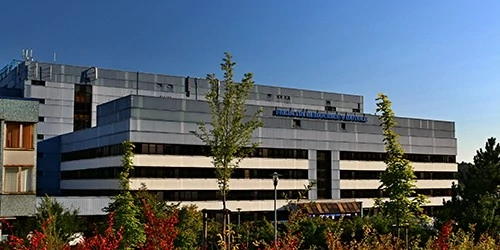
For treatment of these pathologies, patients often go to Turkish, Israeli, Spanish, Czech and other clinics in countries with advanced medicine. Such facilities include Liv, Motol, Sheba, Teknon, SoonChunHyang, Ichilov, Medicana, University Hospitals of Navarra and Cologne.
To arrange treatment for inoperable gliomas of the brain abroad, leave a request on our website. We will help you choose the best clinic and doctor.
Sources:
- The Johns Hopkins University
- Springer Nature Switzerland AG
- Neurosurgery Wiki
- American Association of Neurological Surgeons
- Cancer Council NSW
- National Library of Medicine
- The Johns Hopkins Hospita
- Anadolu Ajansı