NEEDS SUPPORT?
Call me back

Leave your phone number and our Medical Coordinator will contact you

Leave your phone number and our Medical Coordinator will contact you

University Hospital of Köln
The specialists of the MEDIGLOBUS Support Team will help you to get an individual Treatment Plan with a Price Quote.

University Hospital of Köln

Germany, Köln

Clinic Review

University Hospital of Köln

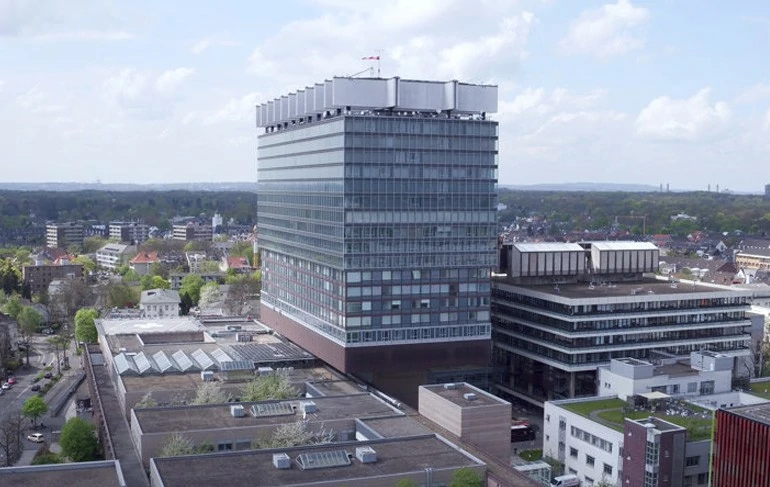
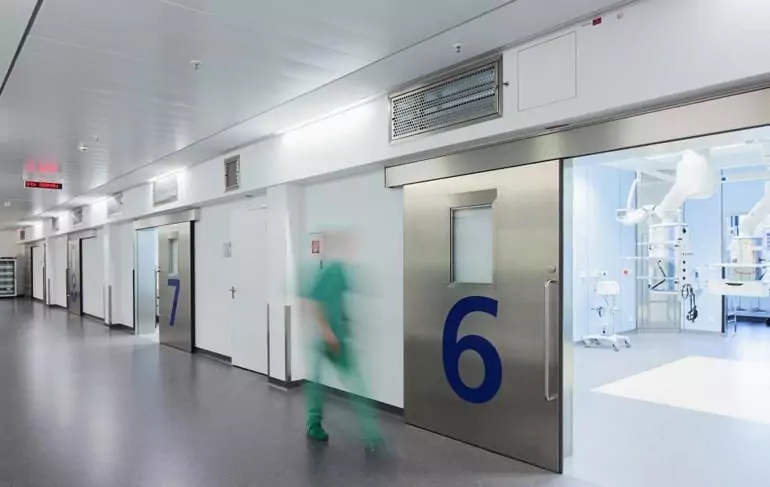
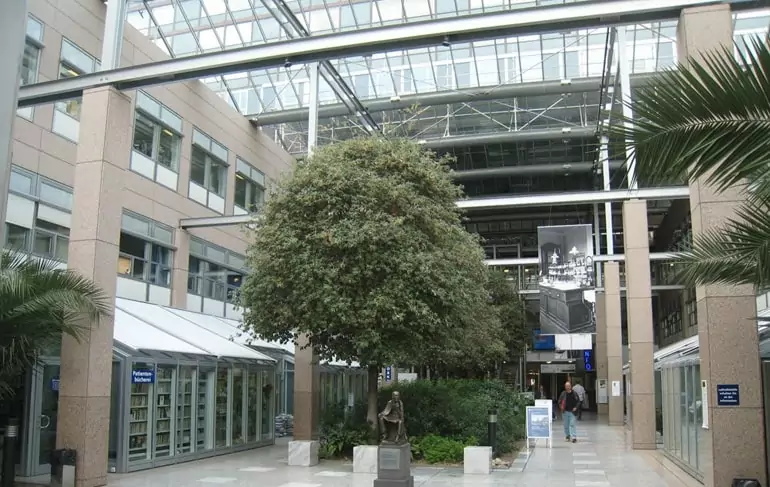
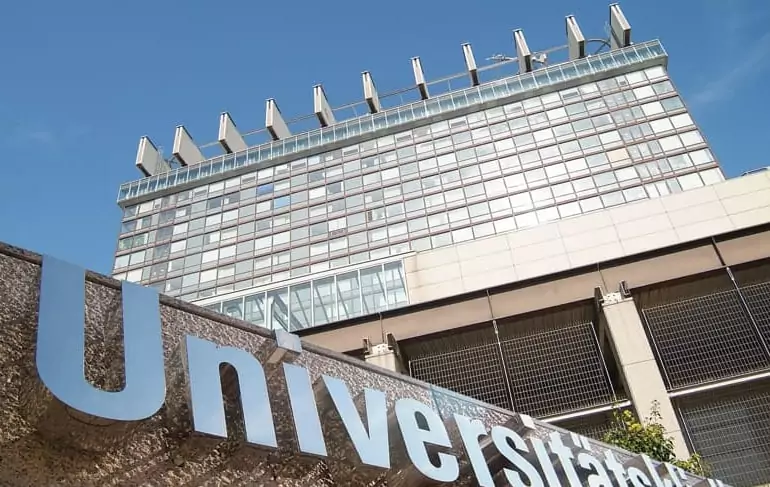
The University Hospital of Cologne/Köln is one of the largest wide-ranging medical institutions in Germany. It was founded in 1908. During its 112-year history, the hospital has gained international recognition. The hospital is a clinical centre for innovative treatment of various diseases. Every year more than 370,000 patients are admitted here, of whom around 63,000 are inpatients.

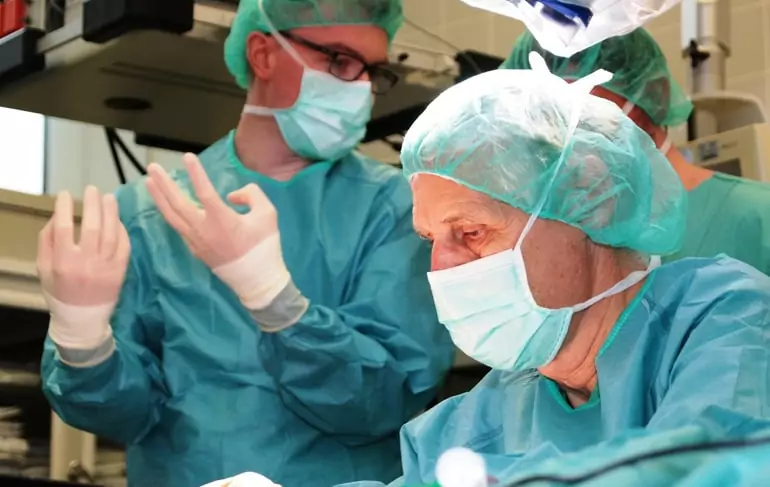
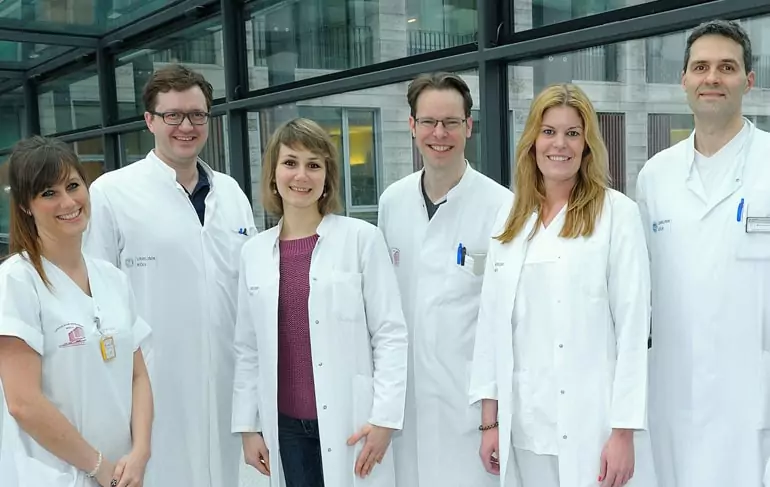
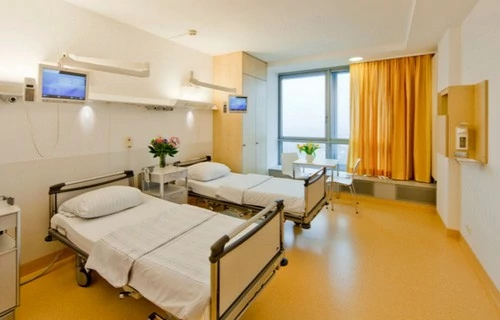
The medical centre employs around 10,900 specialists from 80 countries. Among them are more than 1,000 doctors of the highest category. Medical specialists at the Hospital Cologne regularly receive further training at prestigious hospitals in America, the UK and elsewhere.

The institution has 35 specialised clinics and centres and 14 research institutes. The most notable among them are:

  • Breast treatment centre;
  • Centre for Integrated Oncology;
  • IVF Centre;
  • Neurosurgery Clinic;
  • Experimental Surgery Centre;
  • Cardiac Centre;
  • Centre for Plastic and Reconstructive Surgery and Aesthetic Medicine;
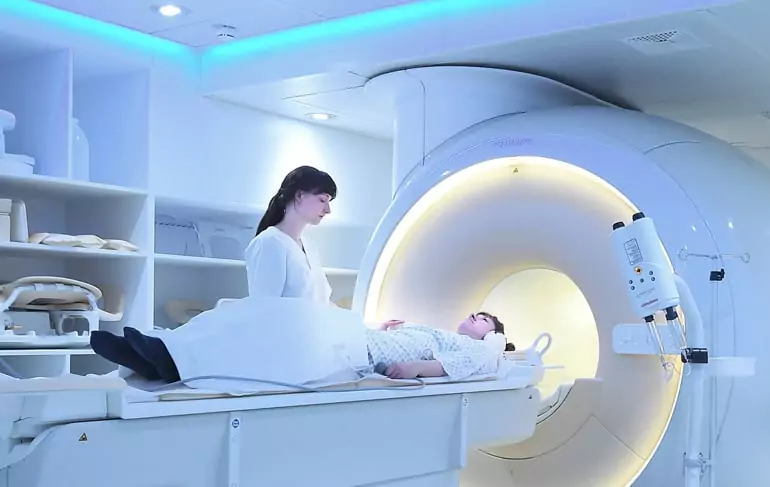
  • Centre for Radiology and Neuroradiology;
  • Organ transplant clinic;
  • Clinical Research Centre;
  • Centre for Rare Diseases;
  • Palliative care clinic;
  • Diagnostic Centre;
  • Centre for General, Visceral, Oncological Surgery and Transplantation.

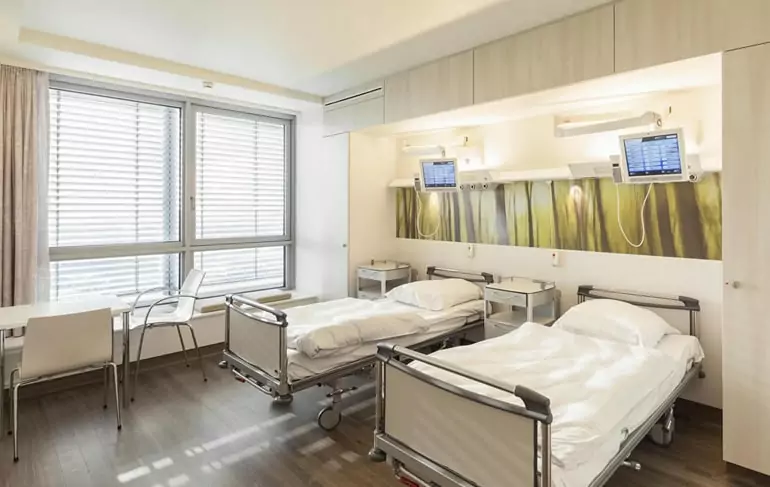
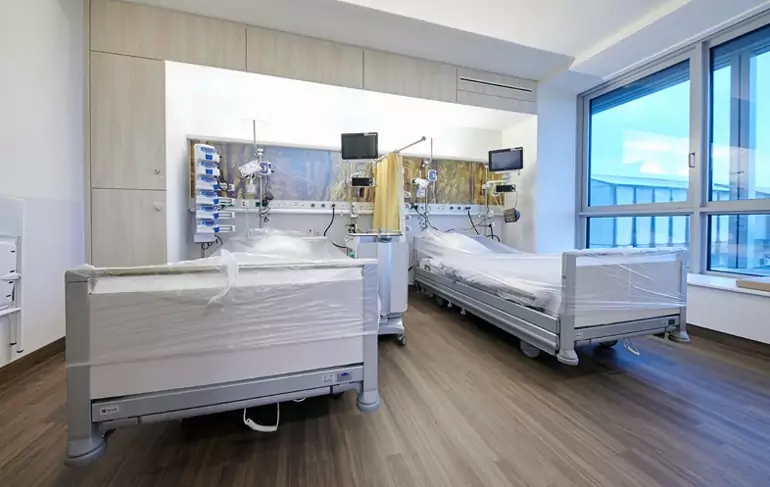
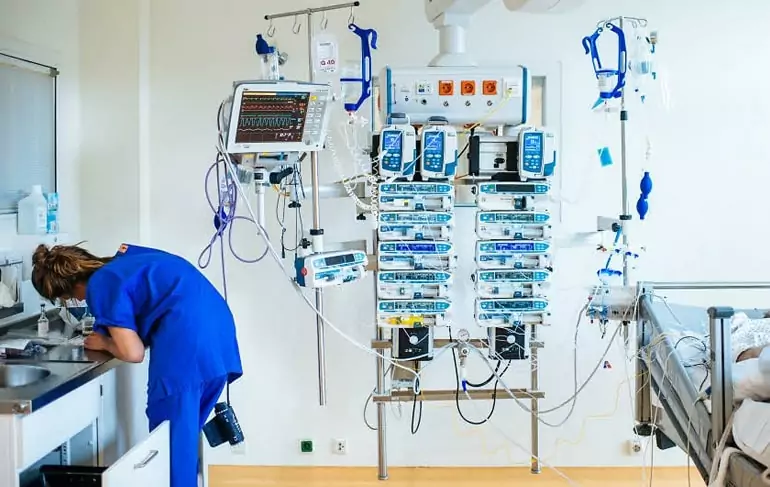
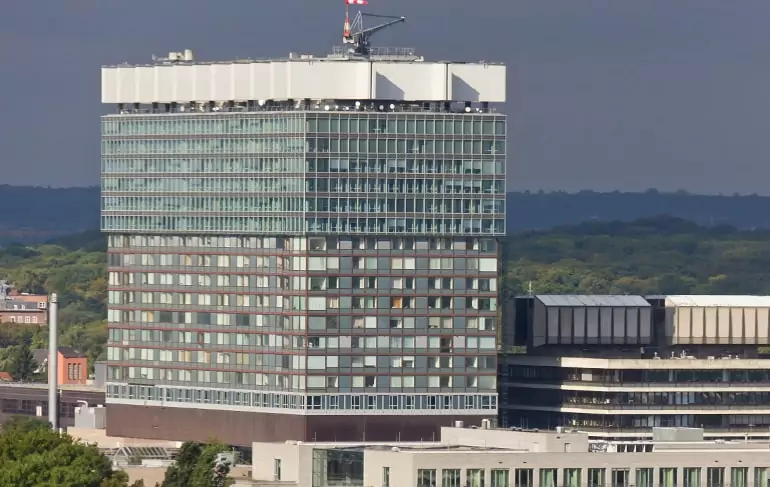
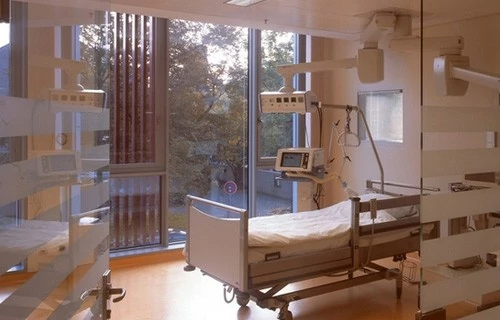
The hospital has a total area of more than 200,000 sq. m. It has nine advanced intensive care units. The hospital has an inpatient capacity of 1,573 beds. The University Hospital of Cologne has several underground car parks for patients' vehicles.

Key areas of the University Hospital of Köln

  • Cardiology
  • Cardiovascular surgery
  • Gastroenterology
  • Neurology
  • Neurosurgery
  • Obstetrics and gynecology
  • Oncohematology
  • Oncology
  • Plastic Surgery
  • Radiology
  • Reproductive Medicine
  • Surgery
  • Transplantology
  • Urology

International Department of the University Hospital of Cologne

Treatment in a foreign country raises many questions: issuing visas, sending medical documents, interpreter services and more.

All these problems can be solved at the International Department of the Cologne University Hospital. It is located on the ground floor of the main building, to the left of the main entrance.

To make sure that international patients use the hospital services as comfortably and safely as possible, they are provided with coordinators. They help with all organisational matters.

If necessary, an interpreter is provided for the patient. The main services of the International Department include:

  • Accompanied by a personal medical concierge
  • Assistance in accommodation (hotel, apartments, etc.)
  • Calculation of provisional cost of treatment
  • Meeting at the airport and transfer
  • Visa support
  • Written translation of conclusions

Facts about Köln clinic

  • More than 90% of patients are satisfied with the service and recommend the University Hospital of Cologne.
  • Many innovative treatments and drugs are clinically tested here and become available to patients sooner than in other institutions. These include drugs for targeted therapy and chemotherapy.
  • In 2005, the Cologne Hospital opened the Cologne-Bonn Centre for Integrated Oncology (CIO). More than 30 specialised centres and institutes operate here. Every year, the CIO treats over 24,000 patients.
  • The University Hospital of Köln has opened Germany's first stereotactic and functional neurosurgery hospital. Patients with neurological diseases such as Parkinson's disease and dystonia are treated here. The clinic also treats patients with obsessive-compulsive disorders and severe depression by implanting electrodes in damaged areas of the brain.
  • The hospital has a navigation app, UKKöln Navi, which helps patients navigate around the hospital premises. The system contains detailed information about the opening times of the pharmacies, canteen, cafeteria, chapel and playground on the health centre grounds. Further destinations can be added to the UKKöln Navi if required.
  • In 2019, Germany's largest emergency department for cancer patients opened at the University Hospital of Cologne.

Features of the Clinic

Cancer treatment at the Köln University Hospital

The Centre for Integrated Oncology (CIO) has been in operation for over 15 years. More than 24,000 patients from all over the world are treated here each year. The centre is made up of 30 specialist departments, clinics and cancer research institutes. Among them are:

  • radiology department;
  • skin cancer clinic;
  • gynaecological tumour and breast cancer centres;
  • medical oncology department;
  • liver cancer clinic;
  • oncology clinic for gastric tumours;
  • neuro-oncology department;
  • biochemistry unit.

The centre for integrated oncology is certified by the German Cancer Society. This confirms the high quality of patient care. It is the most common place to go for treatment of:

  • brain tumours;
  • breast cancer;
  • malignant neoplasms of the lungs;
  • prostate cancer;
  • gastrointestinal cancer;
  • gynaecological tumours;
  • blood cancers;
  • malignant neoplasms of the eye;
  • neuroendocrine tumours;
  • sarcomas.

The University Hospital of Cologne offers preventive screenings for the early detection of various types of cancer. A check-up programme is available for women, which aims to diagnose breast cancer.

Cancer Check-Up
Blood test for cancer markers
Biopsy
CT/MRI/PET scan
Consultation with an oncologist

Get a free consultation

University Hospital of Köln

The range of procedures for breast examinations depends on the age of the patient and the individual risk of developing the disease.

Women who are carriers of the BRCA mutation have higher risks. They undergo several tests, including an MRI, breast ultrasound and a mammogram.

The Department of Nuclear Medicine performs multimodal imaging diagnostics as well as radionuclide therapy for various malignant diseases. Thyroid tumours, neuroblastoma, lymphoma and other malignant pathologies are diagnosed and treated here.

Oncohaematology at the University Hospital of Cologne

Acute leukaemia and myelodysplastic syndrome are among the key areas of treatment and research at the Centre for Integrated Oncology. It is Europe's largest specialised clinic for patients with acute myeloid leukaemia, acute lymphatic leukaemia, myelodysplastic syndrome and other malignant pathologies of the blood or lymphatic system.

The hospital provides allogeneic and autologous bone marrow transplants.

Autologous BMT

Autologous stem cell transplantation has been performed at the University Hospital of Cologne since 1992. The patient's own, previously harvested and cryopreserved cells are used for the transplant. Material for transplantation is collected in the Haematopheresis Department. About 140 autologous BMTs are performed each year at the hospital. This method of bone marrow transplantation is indicated in the treatment of Hodgkin's and non-Hodgkin's lymphoma as well as multiple myeloma.

Allogeneic BMT

Allogeneic bone marrow transplants have been carried out at this centre since 1999. This type of transplantation involves the use of donor material. Preference is given to stem cells from a related donor. The material is taken from the haematopheresis unit. If no suitable related donor is available, an unrelated donor from a worldwide stem cell registry will be sought. The Köln Clinic has access to German and international donor databases.

About 100 allogeneic BMTs are performed each year at the hospital. This procedure is most often indicated for conditions such as:

  • acute myeloid leukaemia;
  • acute lymphatic leukaemia;
  • chronic lymphatic leukaemia;
  • chronic myeloid leukaemia;
  • Hodgkin's and non-Hodgkin's lymphomas;
  • multiple myeloma;
  • myelodysplastic syndrome;
  • aplastic anaemia.

Treatment for cardiovascular diseases at the University Hospital of Cologne

Medication therapy and surgical treatment for cardiovascular abnormalities are carried out at the Cardiology Centre. The centre has been in operation since 2007.

University Hospital of Köln

It consists of clinics for cardiology, cardio-thoracic surgery, vascular surgery and paediatric cardiology. More than 15,000 patients from all over the world are treated here each year.

The Heart Clinic is Germany's leading centre for the treatment of congenital and acquired heart defects. In total, the clinic performs more than 2,800 surgeries a year. Of these, around 1,700 are performed using a heart-lung machine. The most common surgeries that are performed at the heart centre are:

  • aortocoronary bypass surgery;
  • catheter-assisted TAVI valve implantation;
  • aortic surgery.

An interdisciplinary team of doctors decides which method of treatment is appropriate for the patient. The Cardiology Centre uses the full range of modern cardiac surgery options. This includes MIDCAB-OP and OPCAB surgery with an incision under the left breast. With both techniques, shunts are inserted into the beating heart. More than 97% of these interventions proceed without any complications.

Catheter-assisted aortic valve replacement (TAVI) has been available at the University Hospital of Köln since 2008. This minimally invasive procedure has been performed on more than 1,500 patients.

TAVI Heart Valve Replacement
Specialist consultation
Comprehensive examination
Minimally invasive valve replacement through femoral artery puncture
Rehabilitation

Get a free consultation

Neurosurgery and neurology at the Hospital Cologne

Treatment for diseases of the spinal cord, brain and peripheral nerves is available at the Neurosurgical Centre. The main areas of focus of this institution are:

  • spinal surgery;
  • neurooncology;
  • paediatric neurosurgery;
  • peripheral nerve surgery;
  • neurovascular surgery;
  • the hypophysis and skull base surgery.

The centre cooperates with the departments of orthopaedics and traumatology, radiotherapy, radiosurgery and the Centre for Integrated Oncology for the treatment of neurological diseases.

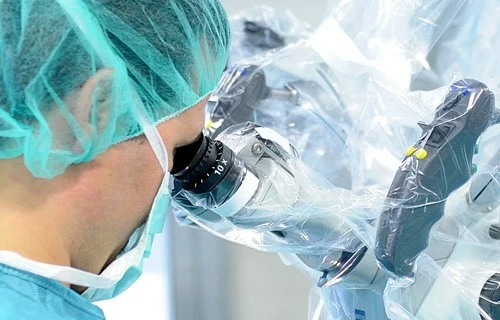
The latest Haag-Streit Surgical microscopes and BrainLab navigation systems are actively used here. These systems increase the precision of the surgeon's interventions on the spine and brain.

Intraoperative neuromonitoring is used to track the function of the spinal cord or spinal nerves. The centre has a team of neurophysiologists.

University Hospital of Köln

Plastic surgery at the Köln University Hospital

More than 90% of patients of the University Hospital of Cologne are satisfied with the results of their plastic surgery. Various types of reconstructive and aesthetic interventions can be performed there. Patients come for body reconstruction after injuries, illnesses, congenital anomalies and tumour diseases. The centre's priorities are:

  • reconstructive and plastic facial surgery;
  • scar plastic surgery;
  • reconstructive vascular surgery;
  • post-burn surgery;
  • resuscitation and reconstruction of the face after paralysis;
  • mammary gland plasty;
  • reconstruction of the body after removal of tumours;
  • eyelid lift.

Cologne Hospital Orthopaedics and Traumatology

University Hospital of Köln

The Clinic for Orthopaedics and Trauma Surgery at the University Hospital of Köln has 104 inpatient beds.

There are 10 top-class doctors and 24 assistants who can help patients. Every year, 2,800 surgeries are carried out at the hospital. Of these, around 1,800 are spinal interventions.

Patients come there to treat deformities, fractures, fractures, infections and tumours of the skeleton. Doctors use endoscopy and neuronavigation, which enables complex surgeries to be carried out with a 98% success rate.

The Clinic for Orthopaedics and Traumatology collaborates with the Centre for Clinical Research in Musculoskeletal Treatment. This enables innovative technologies to be quickly introduced into the work with difficult patients and achieve success.

Intervertebral Hernia Repair
Consultation with a surgeon
Spinal CT Scan
Hernia surgery
Physiotherapy and kinesitherapy

Get a free consultation

Cost of treatment at the University Hospital of Cologne

ProcedureCost
Specialist consultationfrom €400
Second medical opinionfrom €380
PET-CTfrom €2,100
MRIfrom €1,000
X-rayfrom €200
Biopsyfrom €2,500
Ultrasoundfrom €400
Computed tomographyfrom €600
Histology revisionfrom €500
Laboratory testsfrom €300
ProcedureCost
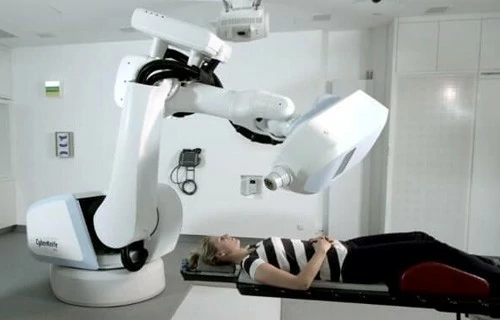
CyberKnifefrom €9,000
Chemotherapyfrom €2,900
Mastectomyfrom €14,000
Coronary stentingfrom €15,000
Removal of intervertebral herniasfrom €16,000
MIBG therapyfrom €5,000
Brain tumour surgeryfrom €20,000
Hip joint replacementfrom €12,000
Deep brain stimulationfrom €27,000
Cataract surgeryfrom €5,000

Testimonials (1)

Average clinic rating
  • 5
Stefan
Age: 37 years

I want to thank the entire team in 13.1, as well as the radiotherapy team.... During my stay at the Köln University Hospita, everyone was very friendly and helpful. It is always very nice when the personell actually takes time to genuine... Read more

Certificates

ISO 9001 Quality Management System
TÜV ISO 9001
TÜV ISO 9001

Doctors

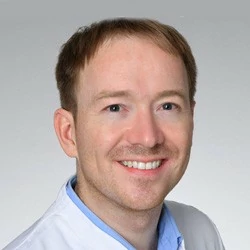
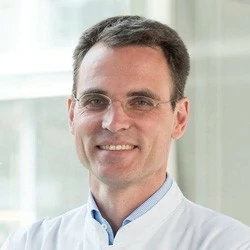
Specialist in the treatment of cardiac pathologies.Dr. Friedrich Felix Heuer is a cardiologist at the University Hospital of Cologne. In 2020 he received the scientific prize of the German Society of Cardiology for his research into the processes that influence the development of cardiovascular complications in diabetes. Dr Heuer is eligible for membership of the German Society of Cardiology. He has over 10 years of experience.Doctor's specialisation: cardiology.
Дp. Фридрих Феликс Хойер
Friedrich Felix Heuer
Experience: over 10 years
Cardiology
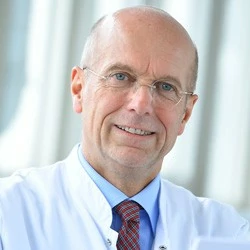
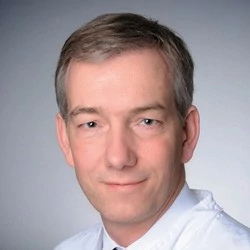
Specialist in surgery of spinal pathologies, joint endoprosthetics and tumour diseases of the musculoskeletal system.Head of the Centre for Orthopaedics and Trauma Surgery. He performs knee and hip arthroplasty as well as bone cancer surgery. The doctor is a member of many international and national organizations, in particular the German Orthopaedic Society. Peer Eysel has over 30 years' medical experience.Doctor's specialisation: orthopaedics and traumatology.
Проф. Пер Эйзель
Peer Eysel
Experience: over 30 years
Orthopedics and traumatology
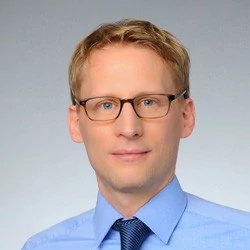
Specialist in antibody therapy and prevention of infectious diseases.He is the leading infectious disease doctor at the University Hospital of Cologne. He treats patients with HIV and AIDS. The doctor has over 15 years of experience. Florian Klein is a member of the German Society for Infectious Diseases and the German Research Foundation.Doctor's specialisation: infectious diseases.
Проф. Флориан Кляйн
Florian Klein
Experience: over 15 years
Infectious diseases
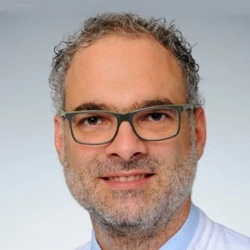
Specialist in the treatment of breast cancer.Head of the Breast Cancer Treatment Centre. He performs diagnosis and oncotherapy of malignant neoplasms of the breast. He specialises in intra-operative radiotherapy (IOLT) and DEGUM II breast sonography. Dr Malter has been in practice for over 30 years.
Doctor's specialisation: oncology.
Др. Вольфрам Мальтер
Wolfram Malter
Experience: over 30 years
Oncology
Professor Stephan Baldus is a specialist in the surgical treatment of heart diseases.He is an internationally renowned cardiac surgeon with more than a thousand successful heart surgeries to his credit. He is the Director of the Cardiology Centre at the University Hospital of Cologne. The doctor is eligible for the education committee of the European Society of Cardiology and the German Society of Cardiology. Stefan Baltus has been published in international and national medical journals. His work experience exceeds 30 years.
Doctor's specialisation: cardiac surgery.
Проф. Штефан Балдус
Stephan Baldus
Experience: over 30 years
Cardiology
Dr. Borchmann is a specialist in the treatment of diseases of the hematopoietic and lymphatic systems.He is the Head of the Center for Onco-Hematology at the Cologne University Hospital. He specialises in the treatment of Hodgkin's and non-Hodgkin's lymphoma. The doctor performs CAR T-cell therapy. Peter Borchmann is a member of the German Society of Haematology and Oncology (DGHO), the European Haematological Association (EHA) and the American Society of Haematology (ASH). He has over 27 years of experience.
Doctor's specialisation: oncohaematology.
Проф. Питер Борхманн
Peter Borchmann
Experience: over 27 years
Oncohematology

Location of the Clinic

Kerpener Str. 62, 50937 Köln, Germany
The hospital is located in the Lindenthal district of Cologne. The clinic can be reached in less than half an hour from Cologne/Bonn Airport by public transport: trams 9 and 13 and buses 146. Düsseldorf Airport, the third-largest in Germany, is also nearby. The Oliveri Bistro & Café, the Hotel Wohnheim Lindenthalgürtel and the German restaurant Gasthaus Ox are all located near the hospital.
Germany
Germany

Similar clinics

Girin Plastic Surgery Clinic

Lienjang Plastic Surgery and Dermatology Clinic

Medicana Ataköy Hospital

Leave us a Review


    Successful
    This email already registered, please resend form

    Leave your request

    Благодарим за обращение.

    Наши координаторы обрабатывают
    вашу заявку.