


The brain is the central organ of the human body, controlling all vital processes, from breathing and heartbeat to thinking, emotions and memory. Its complex structure and irreplaceable role make any diseases of this organ a serious challenge for the patient and doctors. Tumours located deep within the skull or near critical areas are particularly challenging. Conventional treatments in such cases are often associated with the risk of damage to healthy tissue and severe neurological consequences. The infiltrative growth of some tumours only exacerbates the problem, making them difficult to remove completely. However, advances in medicine are opening up new horizons. Modern minimally invasive technologies such as laser ablation are becoming a reliable tool in the fight against brain tumours. This innovative method not only minimises risks but also gives patients a chance to recover where previously it seemed impossible.
The MediGlobus team has tried to answer the most important questions about laser ablation of brain tumours. In the article, you will learn what this procedure is, in what cases it is used, how effective and safe it is, how it is performed, and which clinics abroad offer this innovative treatment.
What is laser ablation of a brain tumour?
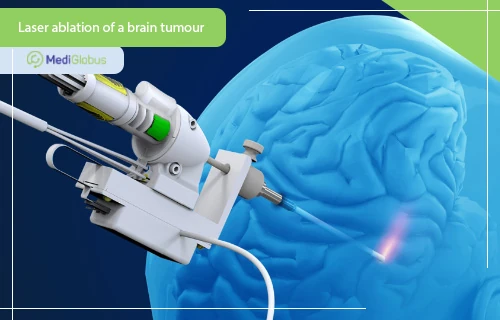
Laser brain tumour ablation, also known as Laser interstitial thermal therapy (LiTT), is a modern minimally-invasive procedure that destroys abnormal cells with the thermal effects of laser radiation. The method treats brain tumours, epileptogenic foci, and areas of radiation necrosis.
The procedure is performed under the control of MRI navigation, which directs the laser beam to the pathological area in real time with high accuracy. This approach makes it much easier for neurosurgeons to access tumours near sensitive structures or deep in the skull and minimises the risk of damage to healthy tissue and impaired neurological function. Due to its high precision and safety, this technology is suitable for the treatment of hard-to-reach neoplasms and even for small patients.
In some cases, ablation does not completely remove the neoplasm but helps to reduce its size or change the structure of the tissue. This makes it easier to remove the tumour further surgically, for example using a craniotomy.
Indications and contraindications for laser ablation
Laser surgery allows neurosurgeons to safely reach deep or hard-to-reach brain areas. However, this method has limitations that must be considered when choosing treatment.
Indications
Size of tumours | |
Tumour types | |
Palliative treatment | |
Contraindications
Size and shape of the tumour | |
Tumour location | |
Medical limitations | |
If you have been diagnosed with a malignant or benign brain tumour, treatment will depend on the type of neoplasm, its location and the stage of the disease. If surgical removal of the pathology is not possible, laser ablation may be used. Ask your MediGlobus coordinator where this effective method is available and how to get in for treatment. Click on the button to get a free consultation.
 Read:
Read: Effectiveness of the method
‘LiTT is an excellent option for patients with deep, often inoperable tumours. We often use it for patients who have already undergone radiation, whose tumours have grown back or are highly inflamed. One of the advantages of this procedure is that because the incision is so small, the recovery afterwards compared to open surgery is amazing. Patients almost always go home the next day and feel well.’ – Dr Nelson Moss, neurosurgeon at Memorial Sloan Kettering Cancer Centre, USA.
Laser interstitial thermotherapy demonstrates good results in the treatment of benign and malignant brain tumours, which is supported by multiple studies. Clinical trials demonstrate that the method improves survival and quality of life even in the most difficult cases.
Efficacy of therapy for glioblastoma | Studies have shown that the average life expectancy of patients with inoperable glioblastoma after laser ablation increases to 10 months for primary tumours and 9 months for recurrences. However, in patients who received chemotherapy and radiotherapy after the procedure, survival increases to 16 months. The most significant factors in improving prognosis include a tumour size of less than 3 cm and the use of adjuvant therapy within the first 12 weeks. |
Efficacy of therapy for low-differentiated grade I-II tumours | Among patients with low-grade gliomas in the brain areas at high risk for surgery, ablation provides tumour stability or partial tumour shrinkage. Studies have demonstrated a median time to progression of 16 months and a median survival of 34 months. The procedure is well tolerated with no significant neurological complications. |
Efficacy of therapy for brain metastases | In patients with brain metastases, especially after radiosurgery, laser ablation can achieve local disease control in 85-100% of cases. In studies, median survival ranged from 6 to 20 months. 87% of patients demonstrated stabilisation or improvement of neurological functions, indicating a positive impact of the method on quality of life. |
How laser ablation affects quality of life
LiTT not only improves survival rates but also contributes to symptom improvement. For example, 31% of patients experience a reduced need for steroids. The reduction in tumour volume after the procedure reduces pressure on surrounding tissue, which helps minimise neurological symptoms. In addition, no prolonged hospitalisation is required after the procedure and recovery is quick and painless.
Advantages and disadvantages of the laser brain ablation method
Advantages:
 LITT is an effective method of treating tumours located in difficult areas of the brain for traditional access.
Laser ablation requires a small incision (5 mm), which significantly reduces the trauma of the procedure.
After treatment, patients typically stay in the hospital for 1-2 days and can return to normal activities within a few days.
Patients experience much less pain after the procedure compared to traditional surgeries.
The procedure is performed using advanced imaging techniques, which allows precise targeting of the tumour, minimising damage to healthy tissue.
Laser ablation is accompanied by fewer postoperative complications.
Disadvantages:
The procedure is not suitable for all types of tumours.
Although minimally invasive, there is a small risk of side effects (swelling, headaches, nerve damage or bleeding).
In some cases, laser ablation may not be able to completely destroy the tumour, especially if it is located in areas that are difficult to access.
The disease can return after the procedure if the tumour has not been completely removed or is highly aggressive.
In some cases (such as large tumours), traditional methods such as craniotomy may be more effective.
Laser ablation requires specialised, expensive equipment and trained specialists, which limits the method’s availability in most medical centres.
How laser ablation of a brain tumour is performed
Preparation for the procedure
Prior to laser ablation, careful planning is done. The patient is referred for magnetic resonance imaging to obtain detailed images of the problem area. These images are used to create a ‘map’ of the treatment, allowing the exact location of the laser to be pinpointed and healthy tissue to be protected.
Laser ablation process
The procedure is performed under general anaesthesia in an operating theatre equipped with an MRI system.
The patient is placed in a special position and his/her head is fixed to prevent the slightest movement.
The surgeon makes a small hole in the skull about 5mm in diameter through which a thin optical probe is inserted.
The probe is guided to the tumour or focus of the disease using stereotactic navigation and MRI.
When the probe reaches the target, the laser is activated. Using thermal energy (usually in the range of 45-60°C), the pathological tissue is destroyed. Real-time MRI monitors the temperature and the destruction process to avoid damaging healthy parts of the brain.
Once the procedure is complete, the probe is removed and the hole is closed with one or two stitches.

Hospitalisation and postoperative care
After the procedure, the patient usually stays in the hospital for 1-2 days for observation. Medications may be administered to reduce swelling and control pain. The patient is closely monitored for possible complications, which are usually easily managed with medication.
Recovery after the procedure
Most patients can return to their daily activities 1-2 weeks after laser ablation, which is significantly faster than traditional methods.
Full recovery takes several weeks, depending on individual body characteristics.
The doctor may prescribe regular follow-up examinations to monitor the results of treatment and respond to possible recurrences on time.
Possible side effects and complications after laser ablation
The following side effects and complications are possible after laser brain ablation (LiTT):
Swelling in the treatment area may persist for up to 3 months after the procedure. It is usually not dangerous but may cause headaches. Steroid medications are prescribed to reduce the swelling.
Temporary impairment of speech, motor function or other neurological changes may occur, especially if the affected area is located in functionally significant areas of the brain. In most cases, these symptoms resolve on their own.
The likelihood of infection, haemorrhage or cerebrospinal fluid leakage is much lower than with traditional craniotomy.
Seizures can be a consequence of the procedure itself or a symptom of an underlying condition (such as a tumour or epilepsy).
Current systems for laser brain ablation
Two systems, NeuroBlate and Visualase, have been approved by the FDA for laser brain ablation. These technologies can effectively remove tumours and damaged tissue with minimal intervention, providing patients with maximum safety.
The NeuroBlate system uses a high-precision Nd:YAG laser that operates at up to 12 watts of power. It features a carbon dioxide cooling system that protects surrounding tissue from overheating. Its probe can emit the laser in single or multiple directions, allowing the doctor to precisely target the tumour. This system is particularly useful for difficult cases where the tumour is irregularly shaped or located in hard-to-reach areas.
Visualase works with a diode laser up to 15 watts and uses saline cooling. This helps distribute heat evenly, which is especially important for the ablation of deep brain tissue. The laser probe of this system can travel along a pre-planned trajectory, creating a volumetric effect on the affected areas. Due to its power and high speed, Visualase can reduce the procedure time and the patient’s workload.
The main advantage of both systems is the ability to accurately control the temperature and area of exposure in real time. The use of MRI thermometry allows doctors to accurately monitor temperature changes in the tissue and predict which areas will undergo necrosis. This not only increases the effectiveness of treatment but also reduces the risk of complications.
Clinics for laser brain ablation
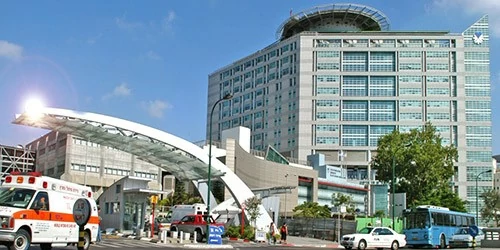
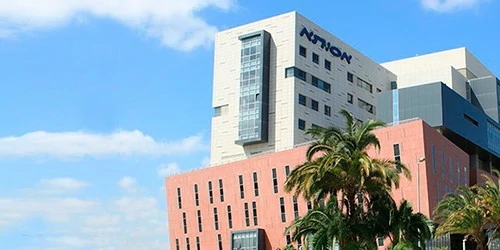
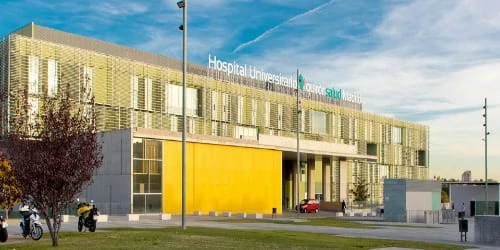
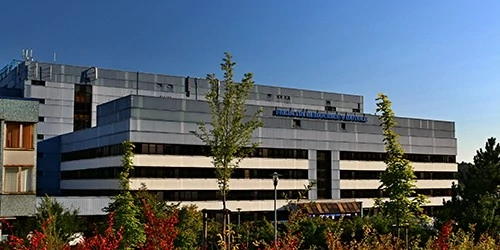
Brain tumour treatment without surgery is available in leading clinics in Turkey, Israel, Spain and South Korea. These countries employ qualified and experienced neurosurgeons and use modern equipment. A team of doctors works with each patient and selects an individualised treatment based on the specifics of the disease and the condition of the organism.


Cost of laser ablation
The cost of laser ablation of the brain depends on several factors. To a large extent, the price is influenced by the specifics of the disease, namely the type and complexity of the tumour, which determines the volume and duration of the procedure. The price is also influenced by the duration of hospitalisation, the qualification of the doctor, as well as the country and clinic where the treatment is performed. For example, treatment in leading clinics in Europe and Israel may be more expensive than in Turkey or South Korea, but everywhere a high level of safety and quality of therapy is ensured. To learn more about the prices for laser tumour removal, click on the button and contact a MediGlobus coordinator.
Summary
Laser ablation is one of the effective therapies for brain cancer. The treatment can target tumours in the deep structures of the brain with minimal risk to surrounding tissues.
LiTT is used for brain tumours up to 5 cm in size that cannot be removed using conventional surgery. This method is effective for gliomas, metastases and other neoplasms.
The therapy has contraindications – large tumour size, damage to vital parts of the brain or the presence of severe comorbidities that may complicate the procedure.
Laser ablation is highly effective in treating both benign and malignant brain tumours. Studies have shown that the method significantly improves patients’ quality of life, reduces tumour volume and reduces neurological symptoms. Particularly good results are seen in the treatment of glioblastoma and brain metastases, where laser ablation produces stable results and allows for significant improvement in neurological function.
Advantages of the therapy: treatment of pathologies in hard-to-reach areas of the brain, minimal incisions and traumatisation, and fast recovery.
Disadvantages of the therapy: not suitable for all tumour types, small risk of side effects, possible recurrence of the disease if the tumour has not been completely removed.
Laser removal of a brain tumour is performed under general anaesthesia using MRI and stereotactic navigation. A thin laser probe is inserted through a small incision in the skull, which destroys the tumour using heat energy. After the procedure, the patient remains in the hospital for 1-2 days for observation, and recovery of normal activity is usually seen in 1-2 weeks.
After laser ablation of the brain, possible side effects include swelling in the treatment area, headache, and temporary neurological impairment. The risks of infection and bleeding are much lower with laser ablation than with traditional surgeries.
For laser ablation of the brain, the FDA has approved two systems: NeuroBlate and Visualase. They feature powerful lasers and special cooling systems to protect healthy tissue.
The procedure to remove brain tumours without surgery is available in Turkey, Israel, Spain, and South Korea.
If you need brain tumour treatment using modern technologies such as laser ablation, contact MediGlobus. We will help you choose a clinic with advanced equipment and organise a consultation with an experienced oncologist. Click on the button below and get help organising your trip as soon as possible and 24/7 support every step of the way.

Sources:
- 1. Chen C, Lee I, Tatsui C, Elder T, Sloan AE. Laser interstitial thermotherapy (LITT) for the treatment of tumors of the brain and spine: a brief review. J Neurooncol. 2021 Feb;151(3):429-442. doi: 10.1007/s11060-020-03652-z. Epub 2021 Feb 21. PMID: 33611709; PMCID: PMC7897607.
- 2. Patel B, Kim AH. Laser Interstitial Thermal Therapy. Mo Med. 2020 Jan-Feb;117(1):50-55. PMID: 32158050; PMCID: PMC7023945.
- 3. Kurnutala LN. Laser Interstitial Thermal Therapy (LITT) for Neurosurgical Procedures: Facts You Need to Know About the Anesthetic Management of LITT Procedures. Cureus. 2024 Feb 9;16(2):e53920. doi: 10.7759/cureus.53920. PMID: 38465022; PMCID: PMC10924930.
- 4. John F de Groot JF, Kim AH, Prabhu S, Rao G, Laxton AW, Fecci PE, O’Brien BJ, Sloan A, Chiang V, Tatter SB, Mohammadi AM, Placantonakis DG, Strowd RE, Chen C, Hadjipanayis C, Khasraw M, Sun D, Piccioni D, Sinicrope KD, Campian JL, Kurz SC, Williams B, Smith K, Tovar-Spinoza Z, Leuthardt EC. Efficacy of laser interstitial thermal therapy (LITT) for newly diagnosed and recurrent IDH wild-type glioblastoma. Neurooncol Adv. 2022 Apr 6;4(1):vdac040. doi: 10.1093/noajnl/vdac040. PMID: 35611270; PMCID: PMC9122789.
- 5. American Brain Tumor Association: Laser Interstitial Thermal Therapy (LITT): An Emerging Therapy for Brain Tumors