


Liver cancer is one of the most common types of oncology. 900,000 new cases are diagnosed each year. Since the 2000s, the survival rate of patients has risen dramatically and continues to improve. The reason for this is the advanced medical innovations available in modern hospitals. They now give patients a real chance of survival even when the prognosis is unfavourable. Read more about these methods in our article.

Listen to the article:
Has the prognosis for patients with liver cancer improved in recent years?
Yes, studies from many countries show that although liver cancer remains dangerous, the prognosis for patients with this diagnosis has increased in recent years.
An extensive study conducted in a Chinese region with a high prevalence of liver malignancy has shown that since the 70s, when the 5-year survival rate for hepatocarcinoma was 4,8%, it has risen to 50,5%. For small malignant liver tumours that are amenable to surgical treatment, this number can be as high as 67,1%. Some specialised centres have achieved a 5-year survival rate of 93,4% for tumours smaller than 2 cm.
With modern treatments for liver cancer, you can usually expect the following prognosis depending on the stage:

 IA – 71,2% 1-year survival rate,
IB – 53,3% 1-year survival rate,
II – 58,3% 1-year survival,
III – 27,4% 1-year survival,
IV – 9,4% 1-year survival rate.
Does a better diagnosis lead to better treatment for liver cancer?
One of the generally accepted axioms of oncology is that the earlier the disease is detected, the better the prognosis for treatment. Modern methods of diagnosing liver cancer allow the tumour to be detected in its early stages when the effectiveness of oncotherapy is highest.
Liver cancer is difficult to diagnose in its early stages. Most patients go to the doctor as soon as symptoms begin to bother them – and with this diagnosis, they appear quite late. In addition, doctors can often miss small tumours on physical examination because most of the liver is hidden under the ribs.
One important step towards the early detection of liver cancer has been the popularisation of check-ups. Many countries recommend annual check-ups for vulnerable groups of patients or include them in health insurance packages. For foreign patients, clinics offer check-up packages – quick and extensive body diagnosis using state-of-the-art equipment. Often all the necessary tests can be carried out in one day, and the rest of the time can be devoted to rest or other activities.
| Example liver health check-up package (may vary from clinic to clinic) | |
|---|---|
|
Modern imaging techniques have also been a breakthrough in the accuracy of a liver cancer diagnosis. Whereas conventional ultrasound detects liver tumours in only 45% of cases (63% when combined with additional biochemical diagnostic methods), this figure rises to 92-23% when CT and MRI scans are used. The accuracy of liver biopsies is 93-100%. Foreign hospitals also use next-generation sequencing, which allows the detection of biomarkers in patients vulnerable to developing liver cancer in 58-90% of cases. In addition, this method is used to assess the prognosis and development of the disease, and the individual selection of drugs for targeted therapy.
Sign up for a liver check-up
Submit an enquiry by clicking on the button below and our coordinating doctors will help you find a clinic for your liver check-up abroad.
How has chemotherapy changed in recent years?

In recent decades, oncologists have developed new drugs and treatment protocols for malignant liver tumours. An important advance has been the discovery of combination chemotherapy, which most cancer centres worldwide use now. While conventional chemotherapy shows low efficacy in the treatment of liver carcinomas, the simultaneous use of several drugs allows for overcoming this barrier.
The effectiveness of chemotherapy can also be improved by using it in combination with targeted or immune therapies. In 2022 alone, there was a breakthrough in this area – in October, the FDA approved a new treatment protocol using two immune drugs, durvalumab and trelimumab, improving patients’ prognosis by 10%.
To date, there are 12 targeted and immune drugs internationally accepted for the treatment of the most common forms of liver cancer, and more are in clinical trials.
Quite often chemotherapy becomes an important step in the treatment of liver cancer, allowing the tumour to shrink before the surgery, thereby improving the likelihood of a good outcome.
Intra-arterial treatments for liver cancer
Chemoembolization can significantly improve the prognosis of patients with liver cancer. It can be performed in cases where surgical removal of the tumour is contraindicated due to its size and location.
Chemoembolization increases the prognosis of patients with liver cancer from 63% to 75%.
The idea behind chemoembolization is to simultaneously cut off the blood supply to the tumour and deliver anticancer drugs to it. The drugs, placed in so-called ‘beads’, are injected into the hepatic artery, through which they are delivered to the neoplasm. Doctors usually use a combination of three different medications that complement each other’s anti-tumour effects.
The therapeutic mechanisms of this method are as follows:
The blocked blood flow causes “starvation” inside the tumour due to a lack of oxygen and nutrients;
Blocked blood flow also means that the drugs remain inside the tumour for longer – approximately one month;
Because of the pinpoint delivery of the drugs, they are 20-200 times more concentrated than conventional intravenous chemotherapy;
Because the drugs are not delivered to other parts of the body, patients experience fewer side effects.
Chemoembolization as a standalone treatment or in combination with chemotherapy is an effective method of reducing tumours in liver cancer.
In some cases, patients who are not initially suitable for a liver transplant may be good candidates for surgery after treatment with chemoembolization and chemotherapy.
TREATMENT APPOINTMENT
To book your liver cancer treatment abroad, click on the button below and fill in the form. Our coordinators will call you back within 30 minutes. They will provide you with all the information and help with travel arrangements.
Methods of ablation of liver tumours
Tumour ablation is another treatment option available for liver cancer when surgical resection is contraindicated. There are several types: radiofrequency ablation (using high-energy radio waves), microwave ablation (using electromagnetic waves), cryoablation (using very low-temperature gases) and ethanol ablation (using concentrated doses of ethanol). The choice of method depends on the individual clinical case and whether there are contraindications.
| Type of treatment | Effectiveness (depends on the stage of disease) |
|---|---|
| Radiofrequency ablation | up to 83% |
| Microwave ablation | up to 93% |
| Cryoablation | up to 92% |
| Ethanol ablation | up to 94% |
Ablation has the best effect when removing liver tumours no larger than 3 cm in diameter. In combination with embolization, it can also be used to treat tumours as large as 3-5 cm.
This is usually an outpatient procedure, but it can sometimes be performed as open surgery, after which a short hospital stay will be required. The needle through which the ablation will be carried out is inserted into the body under ultrasound or CT monitoring.
Because ablation can affect neighbouring tissue, it is rarely used to treat tumours near large vessels, the biliary tract or the diaphragm.
 Read:
Read: Advances in liver transplantation
Liver transplantation remains the most effective treatment for hepatocellular carcinomas. Innovations in surgical techniques have made the procedure safer and more effective for both the patient and the donor. Today, on average, 80% of patients worldwide survive the first critical year after liver transplantation. Specialised transplant centres with extensive experience in these surgeries can show even higher rates.
Foreign clinics have consistently performed liver transplants with a high success rate for several reasons:
Surgeons’ experience. For example, in Turkey doctors perform 1,400-1,500 liver transplants per year. The superior experience of transplant surgeons is reflected in the efficiency of the procedures performed.
Secondly, concomitant drug therapy and modern surgical techniques minimise the risk of organ rejection. There are FDA-approved drugs to reduce such risk.
The possibility of operating on patients with comorbidities. An important step in the treatment of liver cancer is the selection of patients for whom surgery may be indicated. Thanks to more experience, foreign doctors can operate on patients with diagnoses that were previously considered a complete contraindication to liver transplantation – for example, HIV.
Where to treat liver cancer abroad?
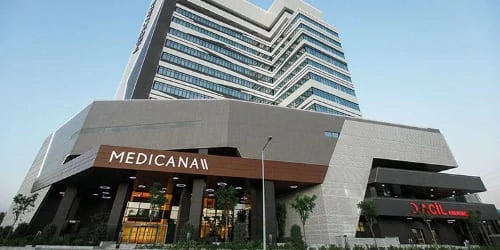
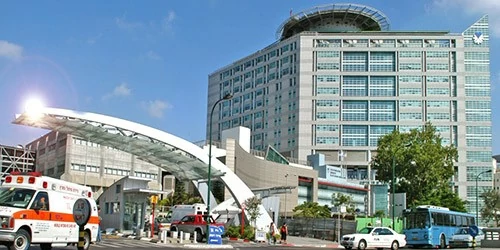
The international medical tourism platform MediGlobus can recommend the following clinics, based on the quality of equipment they use, the experience of their doctors and the feedback from our patients:






Summary
The survival rate of patients with liver cancer has improved in recent years. Better diagnosis, new drugs and surgical techniques have saved the lives of a large number of patients.
Medical innovations that have led to good results in the treatment of malignant liver tumours: early diagnosis and check-ups, combination chemotherapy, targeted therapy, immunotherapy, chemoembolization, tumour ablation, and modern surgical techniques.
Thanks to advances in modern medicine, it is possible to help even patients who are not initially indicated for surgery.
For quality treatment of liver cancer abroad, we recommend clinics in Turkey, Spain, Israel, Germany, Austria and South Korea. Among them, special mention should be made of the Koç University Hospital, the University Hospital Navarra, the University Hospital Cologne and the Vienna Private Hospital.
LIVER CANCER TREATMENT
If you are looking for a clinic for liver cancer treatment, please leave a request on our website by clicking on the button and filling in the form. Our coordinating doctors will call you back to help you arrange your treatment abroad: choosing a clinic, finding a doctor, flight, transfer, interpreter, etc. We will answer all your questions and offer you support throughout your stay abroad.
Источники:
- 1. Liver Cancer Survival: A Real World Observation of 45 Years with 32,556 Cases
- 2. World Cancer Research Fund International: Liver cancer statistics
- 3. Advancements in the Diagnosis of Hepatocellular Carcinoma
- 4. FDA Approves New Immunotherapy Combination To Treat Advanced Liver Cancer
- 5. Transarterial chemoembolization extends long-term survival in patients with unresectable hepatocellular carcinoma
- 6. Ablation techniques for primary and metastatic liver tumors
- 7. Radiofrequency ablation or percutaneous ethanol injection for the treatment of liver tumors
- 8.Liver transplantation: past, present and future