


1. Indications for targeted therapy |
2. How pancreatic cancer biotherapy works |
3. Effectiveness of treatment |
4. Price of targeted therapy |
5. Leading clinics abroad |
Targeted therapy is an innovative way of treating malignant tumours. It blocks tumour growth by targeting specific molecules of cancer cells without affecting the healthy tissue. This method is also called biological therapy. The use of this group of drugs takes the treatment of pancreatic cancer patients to a new level.
In this article, you will learn more about the effectiveness of targeted drugs for pancreatic cancer, which clinics have them and how much they cost.

Listen to the article:
When is targeted therapy for pancreatic cancer indicated?

Despite advances in modern oncology, pancreatic cancer remains the sixth most common malignant tumour in the world. At the time of diagnosis, approximately 25% of patients are candidates for surgery. Even after surgery, only 20% pass the 5-year survival threshold.
Until 10 years ago, chemotherapy was considered the main treatment for most patients with inoperable pancreatic tumours. The situation has now changed for the better. Targeted drugs have achieved significant results in the fight against stage 3 and 4 pancreatic cancer.
Targeted therapy, together with chemotherapy, is the mainstay of treatment for advanced adenocarcinoma of the pancreas. It provides an opportunity to eliminate the symptoms of the disease, prolong the patient’s life and improve its quality.
To go for targeted therapy as soon as possible, leave an application on the website. Click the button below, fill in the form and wait for our call.
The benefits of targeted therapy abroad
 The use of modern treatment protocols for advanced pancreatic cancer. A personalised targeted therapy plan is developed for each patient. The oncologist monitors the development of complications and adjusts the course of treatment as needed.
A wide range of drugs for targeted therapy is available. Some drugs that are used in countries with developed healthcare are rarely or never available elsewhere. The production, storage, transport and price of such medicines are under strict government control. In Israeli, German, Spanish and Turkish pharmacies it is impossible to run into counterfeit or substandard medication.
Before the use of biological medicines, the patient is prescribed immunological or genetic studies of the tumour. This makes it possible to choose the drug to which the pancreatic cancer cells will give the best response.
What does targeted therapy for pancreatic cancer involve?

Targeted drugs work differently from standard chemical drugs. They find a specific target in the tumour cell – a mutation in a gene and a corresponding abnormal protein. For pancreatic cancer these mutations are BRCA, KRAS, TP53, CDKN2A and SMAD4. Approximately 25% of patients have these molecular changes, making them potential candidates for targeted therapy.
When the drug finds the cancer cells with required proteins, it binds to them, ‘attacking’ and destroying the tumour. The cancer cells lose their ability to divide and grow. This is how targeted drugs fight malignant diseases.
The mechanism of biotherapy makes it possible to target cancer without suppressing healthy organs. This is critical for patients who are already weakened by the disease.
EGFR, PARP and NTRK inhibitors are used for pancreatic cancer. These include drugs such as Erlotinib, Sunitinib, Olaparib, Pemetrexed, etc. They are given together with chemotherapy. The medicine is taken once or twice a day in tablet form.
Effectiveness of targeted therapy in pancreatic cancer
According to a Johns Hopkins University study published in The Lancet Oncology, patients with advanced pancreatic cancer who were treated with targeted drugs had a life expectancy of 31 months. This was much higher than in patients who did not receive such treatment (18 months).
No other type of oncotherapy gives the same survival rate for pancreatic cancer as a targeted treatment. On average, the use of a combination of chemotherapy and targeted drugs can extend survival by one year.

Side effects of biotherapy for pancreatic cancer
The side effects of taking targeted drugs are different from chemotherapy, radiotherapy and other cancer control methods. Some biological drugs do not cause any complications, while others require immediate intervention. The development of side effects of targeted therapy depends on the type and dosage of the drug, how long it is taken, the characteristics of the tumour and the patient’s general condition. Common complications of biotherapy include:
intestinal disorders,
a rash on the face and neck,
increased fatigue,
nausea and vomiting,
dizziness,
abdominal pain,
muscle weakness,
blood clotting disorder.
Before starting targeted therapy, the oncologist will consult the patient on the treatment and explain how to deal with side effects if they occur. If necessary, the patient is prescribed additional medication to minimise or eliminate the negative effects of the targeted drugs.
Cost of targeted therapy for pancreatic cancer
The price of targeted therapy for pancreatic cancer is calculated for each patient individually. It is influenced by the severity of the disease, the type of medicine and the duration of the treatment. The cost will also depend on the level of the medical centre and the qualifications of the doctor who develops the treatment plan. The approximate cost of pancreatic cancer treatment abroad is as follows:
| Country | Cost |
|---|---|
| Turkey | from $3,800 |
| Spain | from €4,200 |
| Austria | from €4,000 |
| Country | Cost |
|---|---|
| Germany | from €5,000 |
| Israel | from $4,500 |
| Korea | from $4,000 |
Where is pancreatic cancer targeted therapy available?
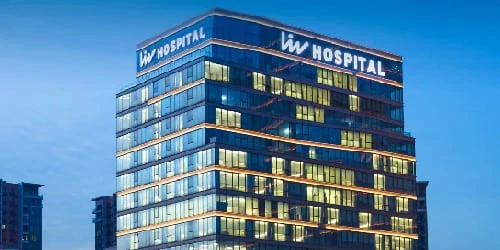
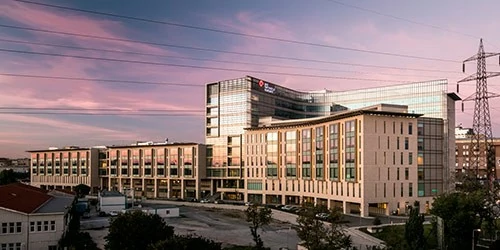
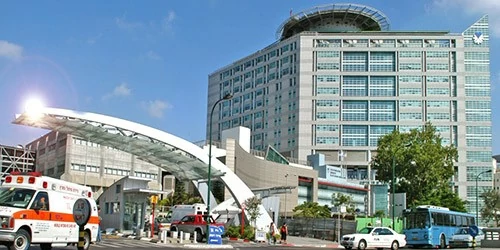
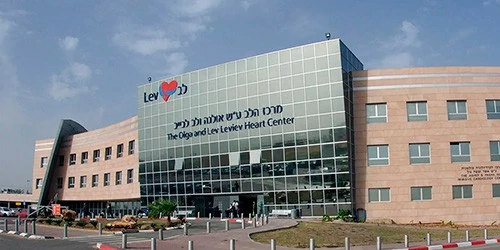
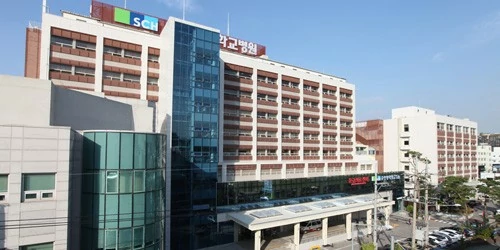
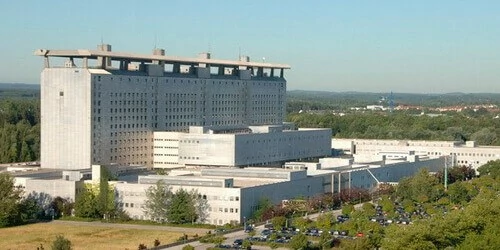
For targeted therapies for the disease, patients most often go to hospitals in Israel, Turkey, Germany and other countries with advanced medical care. The following hospitals are particularly popular:


Summary
Pancreatic cancer cells have various mutations that increase the aggressiveness of the disease and resistance to traditional chemotherapy or radiation therapy. Therefore, targeted therapy is one of the few effective options to fight the disease. Targeted drugs aim at specific molecules in the tumour and prevent the cells from dividing. This slows down the progression of the malignant process and alleviates the symptoms of the pathology.
Target drugs are taken as capsules 1-2 times a day. The course can last for several months or even years. This depends on the severity of cancer, the reaction of the tumour and the side effects.
Treatment with targeted drugs increases the chances of survival for patients with stage 3-4 pancreatic cancer. The combination of chemical and biological therapies extends the life of patients with terminal pancreatic tumours by 31 months. Without targeted drugs, this figure does not reach 1,5 years.
The cost of biotherapy is based on the type of drugs used, the duration of the treatment programme, the severity of the disease and the level of the medical centre. The price of such treatment abroad starts at USD 3,800 per course.
Leaders in the field of targeted therapy for oncologic diseases are Turkish, German, Israeli, Spanish, Korean, and Austrian clinics. Popular medical tourists include Liv Vadistanbul, Koç, Medicana, SoonChunHyang, Sheba, Ichilov, Teknon and Munich University hospital.
To choose the most suitable hospital abroad for all requirements, please contact the coordinating doctors at MediGlobus. We will help with your medical problem and organise your pancreatic cancer treatment trip.

Sources: