


The stage of the disease is the factor that most influences the possible outcome of treatment. Lung cancer in its early stages responds much better to therapy than when the disease has already progressed. Depending on the stage, doctors select different treatment approaches to maximise the patient’s chances of a successful outcome.
In this article, we discuss the modern methods used to treat lung cancer at different stages and what patients and their loved ones can expect. At the end of the article, we share recommendations for cancer patients from our medical specialists.
What are the stages of lung cancer?
Cancer stages are a brief indication of the size and characteristics of the cancer, which allow doctors to quickly understand what they are dealing with. International medical organisations regularly publish recommendations for the effective treatment of various types of cancer depending on their stage.
Lung cancer is classified into stages 0, 1, 2, 3, and 4. The coding indicates the size of the tumour and how far it has spread — to lymph nodes, nearby tissues, blood vessels, or distant organs.
 Read:
Read: How is stage zero lung cancer treated?
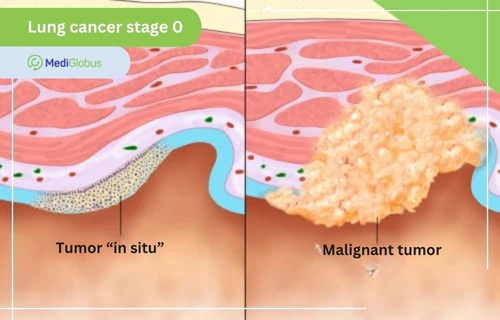
Non-small cell lung cancer at stage zero is also called carcinoma in situ. It is a single tumour up to 1 cm in size, which is present only in a few layers of cells and has not grown beyond the inner lining of the lung tissue. Stage 0 cancer does not cause symptoms typical of this disease, so it can only be detected during a check-up or diagnosis for another disease.
According to the American Cancer Society, in most cases, stage 0 lung cancer is curable. However, the presence of this disease increases the chances of developing a second primary cancer. Therefore, leading global experts recommend that their patients regularly visit oncologists and consult a doctor if they experience any changes in their well-being.
Stage 0 non-small cell lung cancer is treated with surgery or laser therapy. The method of tumour removal is selected depending on its location. Very small tumours can be completely removed during a biopsy, a diagnostic procedure in which the doctor removes a sample of tissue from the neoplasm.
The main surgical method for treating stage zero lung cancer is wedge resection. During this operation, the doctor removes the tumour along with a small section of the lung. The cells are then examined under a microscope to ensure that the growth has been completely removed.
As alternative treatments, the doctor may suggest photodynamic therapy, laser therapy, or cryotherapy. These have proven effective in treating this disease and, depending on the characteristics of the tumour, may be a less traumatic option.
Book an oncological check-up
A check-up is the most reliable method of detecting lung cancer at an early stage. It is especially important for smokers or people who have relatives who have had any type of cancer. Contact us and we will advise you on where you can undergo a comprehensive medical examination abroad quickly and inexpensively.
Treatment of small-cell lung cancer by stage
Small-cell lung cancer has only two stages, as it is very aggressive and metastasises quickly. Fortunately, this type of lung cancer accounts for only 15% of cases.
The initial stage of small-cell lung cancer is a tumour located in one lung, possibly in the regional lymph nodes and pleura.
However, small-cell cancer is most often diagnosed at a stage when it has spread to other organs. In this case, the chances of a complete cure are reduced.
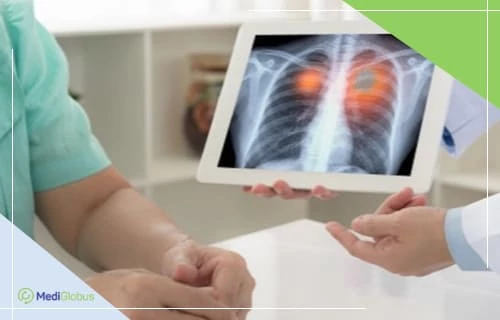
In stage 1 small-cell lung cancer, an oncologist may recommend surgery to treat the disease. This method is used for patients in good health who can undergo the removal of part or all of the lung. The operation is usually accompanied by mediastinoscopy, an examination of the mediastinum for malignant cells. After the operation, chemotherapy, radiotherapy or preventive brain irradiation is usually prescribed. This minimises the risk of recurrence.
In stage 2 small-cell lung cancer, surgery is not possible due to the size of the tumour, its problematic location or metastasis. The most effective treatment strategy in this case is a simultaneous course of chemotherapy and radiotherapy. In some cases, immunotherapy may be recommended – drugs that activate the body’s immune response to cancer and increase the effectiveness of the main methods of treating the disease.
With the effective selection of drugs, a small-cell lung tumour can be reduced to a size that is not visible on X-rays or CT scans.
How to treat stage 1 non-small cell lung cancer?
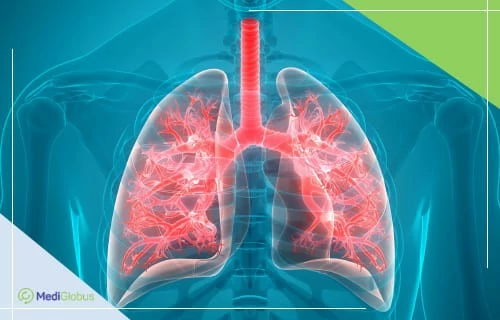
According to the American Cancer Society, non-small cell cancer is diagnosed in 80-85% of all lung cancer patients. This group of diseases includes squamous cell lung cancer, adenocarcinoma, and large-cell lung cancer. This type of disease responds quite well to treatment, especially in the early stages of cancer development.
In the first stage of lung cancer, the tumour is very small and affects only the lung. Stage 1 lung cancer is divided into two sub-stages:
- 1A – tumour up to 3 cm;
- 1B – tumour larger than 3 cm or located in the bronchus.
The main method of treating stage 1 lung cancer is surgery. Along with the tumour, lymph nodes are often removed so that a histological analysis can be performed to ensure that the cancer has not spread. Depending on the specifics of the case, the doctor may prescribe various procedures:
- wedge resection — removal of a small tumour along with surrounding tissue;
- segmentectomy — removal of the segment of the lung where the tumour is located;
- lobectomy — removal of the lobe of the lung where the tumour is located;
- circular resection — removal of a lobe of the lung along with part of the bronchus.
When diagnosing lung cancer, a series of procedures is performed to assess the aggressiveness of the disease and the risk of recurrence. Patients with high scores on these factors, as well as people with stage 1B lung cancer, are prescribed chemotherapy to increase their chances of recovery. Patients with lung cancer who are not eligible for surgery are prescribed stereotactic radiation therapy or radiofrequency ablation.
Get a second medical opinion
Up to 22% of lung cancer patients receive an incorrect diagnosis when they first visit a doctor. To correct this statistic, foreign clinics widely use the practice of a ‘second medical opinion’ – consulting another oncologist for their professional opinion. MediGlobus coordinating doctors can recommend experienced lung cancer specialists from Israel, Germany, Spain, and Turkey who can see foreign patients both in person and online. Submit your request on the website, and we will help you arrange a consultation.
Treatment of stage 2 non-small cell lung cancer
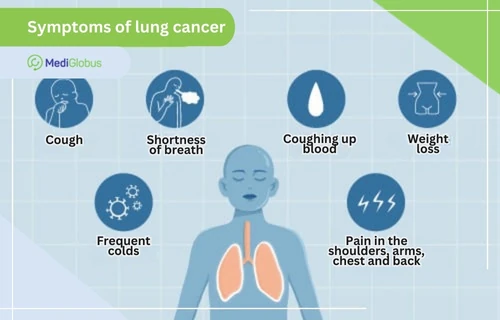
The second stage of lung cancer is a period when the first signs of lung cancer may appear: persistent dry cough, hoarseness, chest pain, body temperature above 37.5 °C, weakness, and weight loss.
In stage 2 lung cancer, the tumour may be the same size as in stage 1, but it may also affect the lymph nodes. In stage 2A, the size of the tumour does not exceed 3 cm. In stage 2B, the size of the tumour exceeds this mark.
According to the American Cancer Society, treatment for stage 2 lung cancer includes surgery and chemotherapy. In addition to lobectomy and circular resection, pneumonectomy (removal of one lung) is also used.
All lymph nodes that may contain cancer are also removed. The extent of lymph node involvement and the presence or absence of cancer cells at the edges of the removed tissue are important factors in planning the next stage of treatment.
Patients who have been found to have cancer cells in their lymph nodes or tissues adjacent to the tumour are prescribed adjuvant chemotherapy. This is done to destroy any remaining cancer cells in the body. The procedure can be combined with radiotherapy, which is considered an effective but aggressive treatment method.
Patients with certain types of lung cancer may be prescribed targeted therapy. This is a modern method of treating cancer that has a targeted effect on cancerous tissue. Unlike standard chemotherapy or radiotherapy, it has virtually no effect on healthy tissue, which means it does not cause severe side effects.
| The British Journal of Clinical Pharmacology has published the results of a study conducted by Chinese scientists on the effectiveness of targeted therapy for certain types of non-small cell lung cancer. Studies involving 958 patients showed that several drugs are quite effective in treating the disease. In approximately one in five patients, the tumour shrank or stopped growing. Particularly good results were achieved with the drug codenamed DS-8201, with tumours shrinking in 60% of patients. These drugs also help control the disease in most patients (from 31% to 87%). At the same time, the drugs poziotinib and pyrotinib proved to be more effective. The researchers concluded that targeted therapy allows patients to live for some time without disease progression (from several months to a year). |
Find out from MediGlobus specialists how stage 2 lung cancer is treated in foreign clinics. To do this, click on the button below and leave your contact details for a free consultation. We will answer all your questions, help you choose a clinic and doctor, and organise your trip for treatment.
Treatment of stage 3 lung cancer
One third of patients are diagnosed with stage 3 lung cancer.
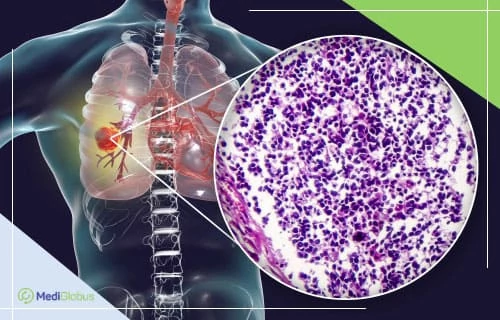
In stage 3 lung cancer, especially stage 3A, cancer cells spread to the lymph nodes in the middle of the chest and, in some cases, to the middle of the chest, rib cage and pleura. In stage 3B, the cancer affects other areas of the chest or collarbone. The situation is exacerbated if the trachea or blood vessels, heart, or oesophagus are affected. Stage 3C lung cancer is a tumour larger than 8 cm that has spread to the lymph nodes and organs located near the lung. This stage also includes cases where the patient has several tumours in different lobes of one lung.
Surgery is used to treat stage 3A lung cancer. It is usually preceded by a course of chemoradiotherapy. This reduces the size of the tumour, allowing the doctor to preserve most of the lung. After surgery, another course of chemotherapy may be prescribed to destroy any remaining cancer cells.
In addition to lobectomy, circular resection and pneumonectomy, the following are also used to treat stage 3 lung cancer:
- Extended lung resection — a surgery where muscles, nerves, blood vessels, and other tissues near the lung are removed. If the tumour has reached the bones of the spine, an additional procedure will be needed, during which the surgeon will secure the vertebrae with rods.
- Thoracic resection — removal of muscles, bones, and other tissues of the chest wall. After that, reconstruction with artificial bone or titanium plates is necessary.
Today, lung lobe removal surgery is performed using minimally invasive techniques. The VATS technique is particularly common – video-assisted removal of part of the lung through small incisions.
There are various methods for treating stage 3B and 3C lung cancer: chemotherapy, radiation therapy, immunotherapy, and targeted therapy.
Sign up for lung cancer treatment
To travel abroad for treatment as soon as possible, click on the button below and fill out the form. Our coordinators will call you back within 30 minutes. They will provide all the necessary information and help you organise your trip.
How to treat stage 4 lung cancer?
In stage 4 lung cancer, distant organs are affected: most often the brain, liver, and bones. At this stage, it is no longer possible to completely cure the patient, and medical care consists of prolonging life and alleviating pain.
Depending on how widely the tumour has spread, stage 4 lung cancer is divided into two sub-stages: 4A and 4B.
4A, the tumour meets the following criteria:
- the cancer has spread to only one other site, such as the other lung or another distant organ;
- the cancer has spread to the lining or fluid around the lungs or heart;
- there are additional tumours in the lung, not counting the primary tumour.
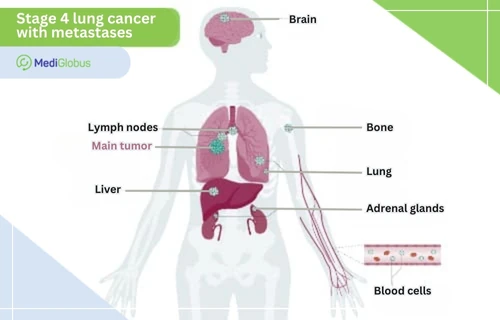
At stage 4B, the cancer is widespread, located in several places or organs far from the lung.
If the cancer has metastasised to another location, particularly the brain, a typical course of treatment may begin with surgery and radiotherapy targeting the secondary tumour. Attention then shifts to the lungs, where treatment may include a combination of surgery, chemotherapy, and radiation.
However, most often, cancer at this stage may be too widespread and requires systemic treatment that affects cancer throughout the body. This may include chemotherapy, immunotherapy, and targeted therapy.
In parallel with the treatment of cancer sites, the patient may undergo palliative care, various medical procedures designed to improve the quality of life of patients and alleviate emotional and physical symptoms.
Leading clinics abroad use modern equipment to treat late-stage lung cancer, such as IMRT, CyberKnife, proton therapy, etc. These technologies allow for greater results in the treatment of cancer with fewer side effects. We can help you book treatment at one of the top cancer clinics abroad. To do so, click on the button below and leave your contact details.
What is the life expectancy for patients with different stages of lung cancer?
According to the American Cancer Society, the 5-year relative survival rate for lung cancer depends on the stage of the disease at the time of initial diagnosis.
For non-small cell lung cancer (NSCLC):
- for patients with localised cancer — 65%;
- for regionally spread cancer — 37%;
- for distant spread of cancer — up to 9%.
For small cell lung cancer (SCLC):
- for patients with localised cancer — 30%;
- for regional spread of cancer — 18%;
- for distant spread of cancer — 3%.
It is important to note that these figures reflect five-year survival rates at the time of initial diagnosis only. They do not take into account subsequent tumour growth, spread or recurrence of cancer after treatment. In addition to the stage of cancer, survival also depends on other factors, such as tumour subtype, genetic changes in cancer cells, the patient’s age and overall health, and the tumour’s response to treatment. It is also important to note that modern treatment methods significantly improve the prognosis for patients.
Recommendations for patients with lung cancer
Cancer treatment can be a long and difficult process for both the patient and their family and friends. Patients need to know that there are people they can rely on. Many patients find that seeing a psychologist or attending cancer support groups helps them cope emotionally with cancer.
Professor Lonnie Yarmus, director of the lung cancer treatment programme at Johns Hopkins University, recommends that his patients adopt the following habits for better emotional and physical well-being:
Quit smoking
Studies have shown that patients who quit smoking after being diagnosed with lung cancer have a better prognosis than those who do not. This harmful habit not only worsens the function of already diseased lungs but also causes high blood pressure and increases the risk of cardiovascular disease. In addition, smoking can interfere with some lung cancer treatments.
Eat a balanced diet
People who get their daily dose of nutrients and vitamins feel better and have more energy. Since eating a normal diet can often be a problem for cancer patients, especially if chemotherapy causes nausea, it may be a good idea to consult a dietitian. A doctor can help you find the best diet to meet your body’s needs and prescribe supplements if necessary.
Be physically active
Physical activity can help reduce fatigue, improve mood, and maintain a healthy weight. Even short activities such as light walking or stretching can be of great benefit.
Don’t take on the entire burden yourself
Both cancer and its treatment are difficult trials that no one person can endure alone. The stress of trying to fight the disease on your own while fulfilling all your responsibilities at home and at work will only worsen your well-being. Cancer patients need to establish good communication with the medical team and not hesitate to ask for help if needed. Doctors and nurses should be kept informed of any changes in symptoms or side effects.
Where abroad can lung cancer be treated effectively?
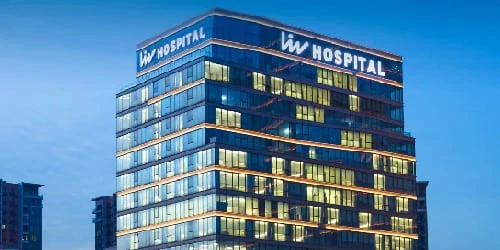
Liv Istanbul Clinic
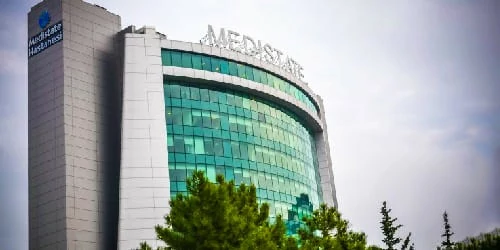
Medistate Clinic
Navarra University Hospital

Cologne University Clinic

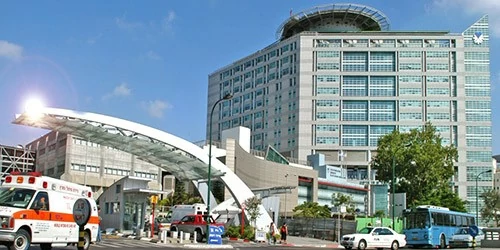
Ichilov Medical Centre
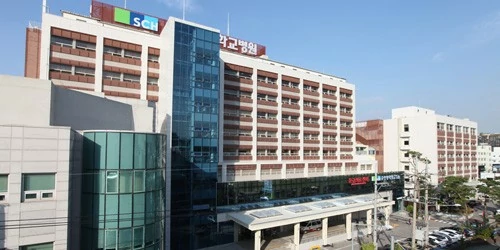
SoonChunHyang Hospital
Summary
- The initial stage of lung cancer is the stage of development of the disease at which the tumour is small or medium in size and does not extend beyond the organ. In advanced stages, the cancer spreads to the lymph nodes, affects neighbouring organs, and in the most advanced stages, cancer cells are found in distant parts of the body.
- The most effective method of treating lung cancer is surgery, which is often supplemented with chemotherapy or radiation therapy. However, surgery is usually performed only for non-small cell lung cancer in the early stages (stages 1-2, less often 3). Conservative treatment methods are most often used for small-cell cancer.
- In combination with surgery, new methods of treating lung cancer, such as immunotherapy and targeted therapy, may also be used. Immunological drugs mark cancer cells for the human immune system and activate it to fight them. Targeted drugs specifically affect cancer cells, blocking their growth or destroying them.
- Chemotherapy for lung cancer can be prescribed at all stages of the disease. In the early stages, chemotherapy drugs are used to reduce the size of the tumour before surgery or to target residual cancer cells after surgery. As the main method of treating lung cancer, systemic chemotherapy is used in stages 3 and 4, when surgery is no longer possible. Chemotherapy is also the main method of treatment for small-cell lung cancer.
- Radiotherapy is also one of the modern methods of treating lung cancer. Radiation therapy in combination with other treatments is used at any stage of lung cancer. Both the tumour itself and areas of metastasis in the later stages can be irradiated.
- Survival rates for lung cancer largely depend on the stage of the disease. In patients in the early stages, the five-year survival rate is about 65%, while in stage 2 lung cancer, the prognosis drops to 37%. In cases of metastasis, 9% of patients survive. For small cell lung cancer, the five-year survival rate at the localised stage is approximately 30%, with regional spread of the cancer, 18%, and only 3% with metastases.

Sources:
- American Society of Clinical Oncology on the treatment of small-cell lung cancer
- NHI — recommendations for the treatment of lung cancer
- Photodynamic therapy for the treatment of non-small cell lung cancer
- American Society of Clinical Oncology on the treatment of non-small cell lung cancer
- American Society of Clinical Oncology recommendations on how to quit smoking
- CTCA on the treatment of stage 4 lung cancer
- British Journal of Clinical Pharmacology