


1. The dangers of liver sarcoma |
2. Methods of treatment |
3. Prognosis |
4. Cost of surgery |
5. Leading medical centres |
Sarcoma of the liver is a rare malignant disease. It accounts for about 5% of all cancer cases. It can be a primary or secondary tumour (metastasis of another type of cancer). The second type is more common. The disease mainly affects children and young people aged 20-40 years. It is also possible to have the disease if you are over 50 years of age. The choice of treatment methods for liver sarcoma depends on the type and stage of cancer. Read more to learn about how the disease is treated abroad, what the prognosis for survival is and how much surgery costs in leading foreign clinics.

Listen to the article:
Is liver sarcoma dangerous?
Liver sarcoma often progresses rapidly and has a high mortality rate. The exact causes of the disease are unknown. It is believed that it can be provoked by liver diseases (hepatitis or cirrhosis), surgery on this organ, and some endocrine, lymphatic, or circulatory pathologies.
The success of the fight against the disease depends largely on the histological types of primary liver sarcoma, its stage and methods of oncotherapy. The most common types of pathology are considered to be:
 Angiosarcoma. It accounts for 32% of these tumours. It forms from degenerated cells of the inner lining of the liver. Cancer progresses rapidly and metastasizes to other organs. It usually affects older men.
Embryonal sarcoma of the liver. It accounts for 7% of the total number of these neoplasms. It is diagnosed in 6-15 years old children. The disease affects boys and girls with equal frequency. It may remain asymptomatic for a long time, reaching a large size at the time of diagnosis.
Leiomyosarcoma. This neoplasm accounts for 29% of cases of liver sarcomas. The disease has an aggressive course and is difficult to treat. Leiomyosarcomas are somewhat more common in women than in men. Tumour formation is also possible in children.
Epithelioid hemangioendothelioma. It accounts for about 15% of all sarcomas of the liver. It is a malignant mesenchymal tumour affecting middle-aged people, rarely children. There are fast and slow forms of this tumour.
Unlike other cancers, the stages of liver sarcoma change rapidly. The transition from one stage to another can occur within a month or even a week.
These tumours significantly affect the liver and metastasize within a short period. Therefore, the best chances of remission are observed in those patients in whom the neoplasm is detected at the earliest possible time.
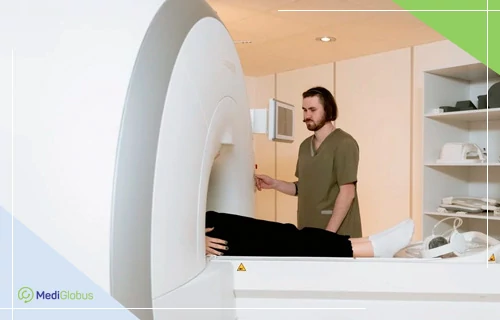
Only a small number of patients manage to get liver sarcoma diagnosed at an early stage. This is achieved through comprehensive preventive examinations or in the process of diagnosing other pathologies. Computer and magnetic resonance imaging, abdominal ultrasound, PET-CT, percutaneous puncture biopsy, and laboratory tests are used to detect the disease.
For more information about liver sarcoma, detection and treatment abroad, contact the coordinating physicians of the MediGlobus international medical platform. Fill out a feedback form to arrange diagnostics abroad.
Symptoms of liver sarcoma
In its initial stages, the disease does not have a clear clinical picture or has no symptoms at all. The pronounced symptoms of liver sarcoma appear over time. These include:
pain in the right subcostal area,
jaundice of the skin and eyeballs,
nausea and vomiting,
discolouration of stool and urine,
loss of appetite,
bloating of the abdomen,
rapid weight loss,
rapid fatigue,
increased size of the abdomen,
elevated temperature.
Is liver sarcoma treatable?
The doctor treating the liver sarcoma will make recommendations for treatment after a comprehensive examination of the patient. A multidisciplinary team of doctors from other specialities may also be involved in drawing up a treatment plan abroad. This allows them to choose the most effective and safe methods of fighting the disease.
The preferred treatment options for primary liver sarcoma are surgery, chemotherapy, radiation, and liver transplantation. They can be used alone or in combination. Often patients will have the tumour removed in combination with chemotherapy and/or radiotherapy.
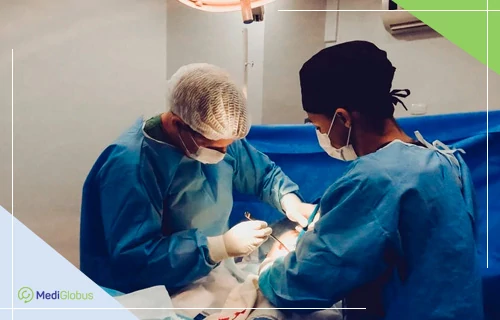
Surgery for liver sarcoma (partial or total hepatectomy) is the main method of treating the initial stages of the disease. It involves removing the maximum volume of the malignant neoplasm along with the affected part of the liver.
The surgical access is usually minimally invasive (laparoscopic). This means that the tumour is removed through three or four tiny punctures in the abdominal wall, rather than through one large incision. The amount of liver that is removed depends on the size and position of the sarcoma.
After surgery, many patients are prescribed chemo or radiation therapy. Treatment programs and their duration, as well as antitumor drugs, are chosen individually for each patient. The main goal of such therapy is to destroy residual cancer cells and achieve remission.
In the first stage of sarcoma patients may be indicated:
Stereotactic radiosurgery is the treatment of a tumour with a CyberKnife unit. This approach makes it possible to remove tiny neoplasms without incisions. Radiation beams are focused on the tumour and destroy it in minutes.
Irreversible electroporation is the removal of malignant cells through high-voltage electrical micro-pulses. The Nano-Blade is used for this purpose. It is performed under general anaesthesia and takes from one to three hours.
If sarcomas are located in areas of the liver that border major vessels, or when the neoplasm affects a large volume of the organ and spreads to other parts of the body, surgical treatment is impossible. In such cases, only conservative methods are prescribed. These include chemotherapy, radiation, targeted therapy, and immunotherapy.
Chemoembolization or radioembolization of the liver is also used to fight the disease. The procedures involve partially blocking the blood vessels that supply the tumour with a blocking agent. A catheter inserted through the inguinal artery is used to deliver antitumour material or radioactive microgranules. Such methods can slow down the growth of cancer cells and, in some cases, lead to the shrinking of the sarcoma.
For inoperable neoplasms, thermal ablation is used. It involves the removal of the sarcoma using electric current or microwaves. The method is effective in combination with other treatment options.
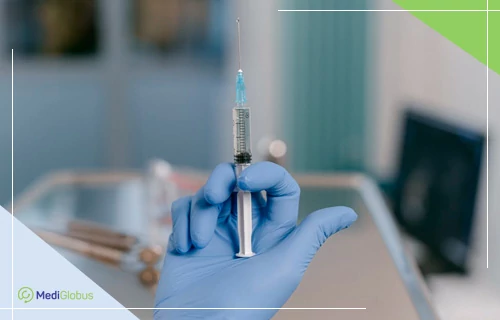
To choose an effective treatment for liver sarcoma abroad, click on the button below and leave your contact information. We will help you with the organisation of your medical trip in the shortest possible time. We will choose a proper clinic and doctor together with you.
Liver transplantation for sarcoma
Liver transplantation is very rare. It is suitable for only a small number of people with unadvanced sarcomas of the liver. A single tumour must not exceed 5 centimetres in diameter or be slightly larger but grow slowly. For multiple lesions of the organ, transplantation is possible when the pathological foci are less than five and each is less than 3 cm in diameter.
The patient must be in good physical shape to be indicated for this surgery. A liver transplant from a living related donor can be performed abroad. It is only available in a few hospitals. During this procedure, a lobe of the liver is removed from the compatible donor and then transplanted into the recipient.
After transplantation, the patient needs to take immunosuppressants for the rest of his life. These drugs prevent the body from rejecting the new liver. It takes several months to recover from this operation. This process can be accelerated by following the doctor’s recommendations and undergoing follow-up examinations on time.
 Read:
Read: How long do people live with liver sarcoma?
The prognosis in liver sarcoma depends directly on the degree of progression of the pathology. It is often unfavourable. Without treatment, most patients do not pass the one-year survival threshold from the time of diagnosis. Most patients have a life expectancy from two months to two years. The overall 5-year survival threshold after treatment varies from 1% to 64%, with an average of 21%.
What is the price of surgery for liver sarcoma?
The cost of liver sarcoma surgery is based on several criteria, the main ones being the technique and volume of the intervention, the level of the medical centre, and the qualifications of the doctor. The approximate cost of liver sarcoma removal abroad is shown in the table below.
| Procedure | Cost |
|---|---|
| Turkey | from $13,000 |
| Korea | from $16,000 |
| Israel | from $24,000 |
| Procedure | Cost |
|---|---|
| Austria | from €19,000 |
| Spain | from €18,500 |
| Germany | from €18,000 |
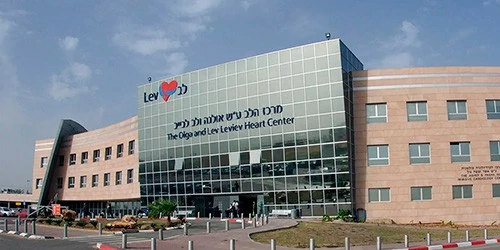
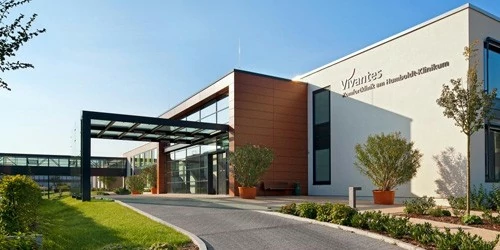
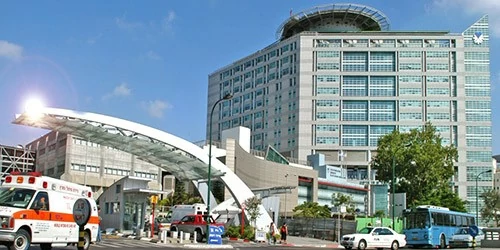
Where to go for treatment of liver sarcoma?


Resume
The key methods of dealing with liver sarcoma are surgery, radiation, and chemotherapy. In the initial stages, hepatectomy, radiosurgery, or irreversible electroporation can be performed. After such procedures, antitumour therapy is possible. If sarcoma is inoperable, patients are prescribed conservative treatment – chemotherapy, radiotherapy, targeted therapy or immunotherapy. Some patients are indicated for liver transplantation.
The price of surgical treatment for liver sarcoma abroad varies depending on the type and volume of the intervention. The cost is also influenced by the level of the clinic, the country and the qualifications of the surgeon. The price for removal of this tumour abroad starts at $13,000.
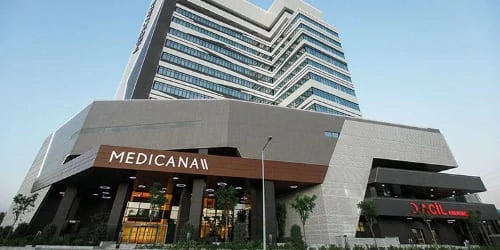
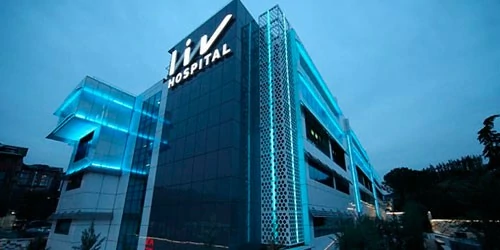
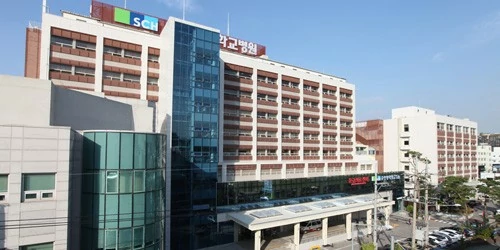
Medical tourists choose the following clinics for the treatment of liver sarcoma: Medicana, Liv, Sheba, SoonChunHyang, Vivantes, Ichilov, University hospitals of Cologne and Navarra.
You can receive treatment for liver sarcoma abroad by contacting our coordinators. MediGlobus International Medical Platform specialists will plan your trip, help you with the arrangements and keep in touch 24/7.