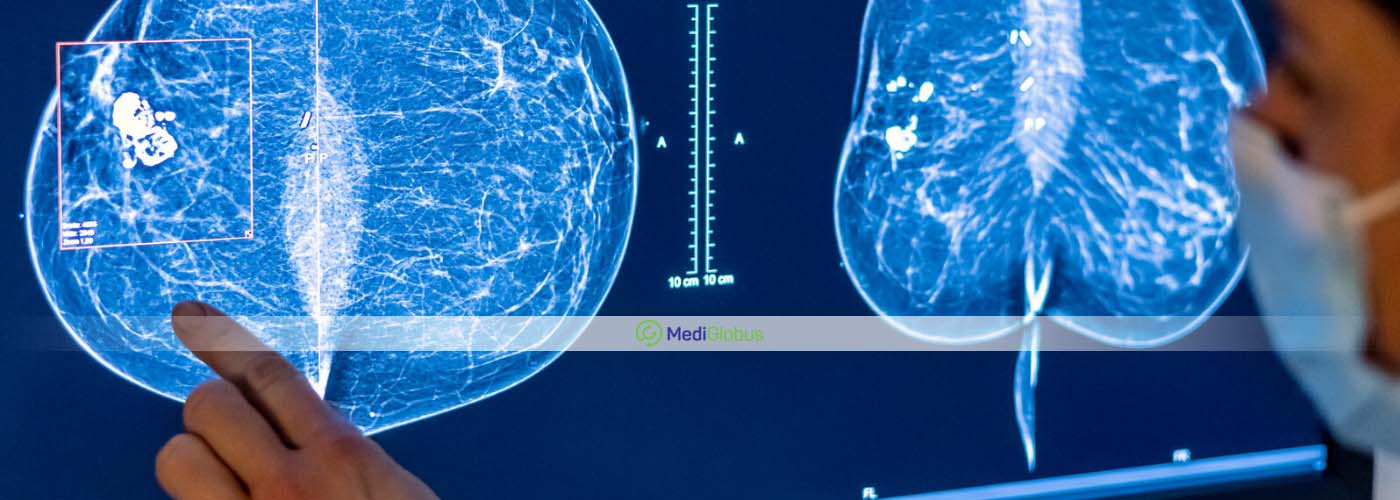



HER2-positive breast cancer accounts for approximately ⅕ of all cases of this cancer. These tumours tend to be more aggressive – they form quickly, as if out of nowhere, and tend to grow and spread faster. It is not surprising that such a diagnosis is frightening for patients. However, we want to reassure you that treatment of HER2-positive breast cancer is not only possible, but with modern protocols and treatment methods, it is very effective. According to current SEER statistics, if the tumour is detected in time and the treatment is properly selected, more than 90% of patients manage to defeat the cancer. Learn more from this article.
About HER2-positive breast cancer
The hallmark of HER2-positive breast cancer is a high concentration of a receptor protein called human epidermal growth factor receptor 2. This is a protein that is present everywhere in the human body. Its amount is determined genetically. The function of the protein is to grow and repair cells in the body. However, when there is an increased concentration of HER2 receptor, cell growth becomes uncontrolled, which leads to the formation of cancerous tumours.
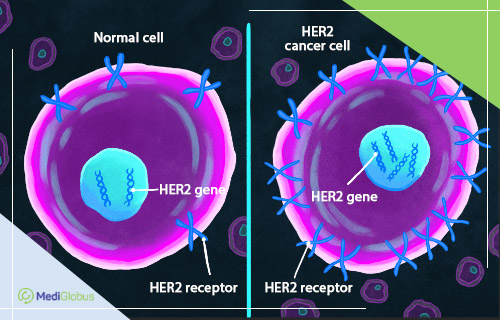
Not all breast cancer cases are HER2-positive. Only 20-30% of patients have this diagnosis. The symptoms of the disease do not differ significantly from other types of breast oncology. These include, but are not limited to:
 Firm, painless, fixed, irregularly shaped lump in the breast;
Discharge from the nipple;
Inversion of the nipple;
Changes in skin texture resembling orange peel;
Discomfort, swelling, redness, and unusual sensations in the breast.
In the past, a diagnosis of HER2-positive breast cancer was considered unfavourable – the disease progressed rapidly and was difficult to treat. However, modern medicine has discovered drugs that target HER2 receptors and effectively fight the disease.
Learn more about the diagnosis
Do you have questions about HER2-positive breast cancer? Our coordinating physicians provide free consultations and assistance in organising treatment abroad. Just click the button below, fill out the form, and wait for a call from a MediGlobus representative.
How is the disease diagnosed?
The most reliable method of diagnosing breast cancer of any subtype is regular check-ups. International medical organisations, including the World Health Organisation (WHO), recommend that all women over the age of 45 should have an annual check-up with a mammalogist, or from 40 onwards if desired.
The standard breast cancer diagnostic package includes a mammogram/MRI/USD of the organ and a biopsy. The latter involves removing a small sample of the tumour with a needle for further examination in the laboratory. Two specific tests that can diagnose HER2-positive breast cancer can be performed at this stage: immunohistochemistry and FISH test.
In foreign oncology centres, if a patient with suspected cancer is admitted for treatment, the doctors must perform at least one of these tests (except ductal carcinoma in situ, which is completely curable with surgery/radiotherapy). Determination of HER2 status greatly influences the treatment plan and associated prognosis.
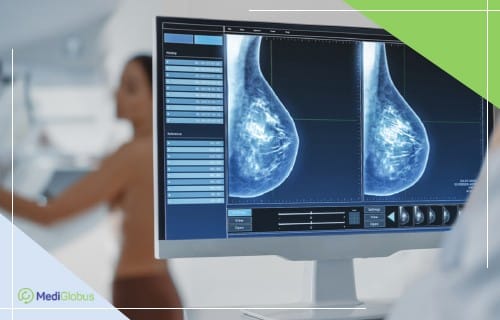
Immunohistochemistry is faster and a cheaper test, while some investigators consider FISH to be more objective.
 Read:
Immunohistochemistry (IHC)
This test can “colour” the HER2 protein so that the doctor can measure the amount of it. As a result of the examination, a value between 0 and +3 is assigned to the tumour. An IHC result of +3 is considered HER2-positive, while +2 is ambiguous and requires further investigation.
FISH test
In a FISH test, the doctor directly examines the genetic component of the tumour tissue and checks whether the corresponding HER2 gene is overexpressed. It can only have two results: positive and negative.
Some patients may have an immunohistochemistry result of +1/+2 and a negative FISH test. Such cases are classified as “HER2-low breast cancer” and they require a separate treatment approach.
Some studies show that a proportion of patients have their IHC/FISH test results misinterpreted. This is because different laboratories have different criteria for measuring proteins, and subjective factors. That is why it is so important to go to a trusted, qualified cancer centre. Accurate diagnosis is a guarantee that the cancer patient will be prescribed the most effective treatment and her chance of recovery will be maximised.
 New in the treatment of the disease
Although tumour size is still a key factor in determining the stage of cancer, some current studies prove that immunohistochemical status (e.g. the number of HER-2 receptors) has a greater influence on the prognosis of the cancer course. Therefore, a more detailed laboratory diagnosis of the tumour opens up the possibility for personalised oncotherapy.
The most effective treatments for HER2-positive breast cancer
The leading cancer treatment that has made it possible to achieve high survival rates is targeted therapy. This is a special group of drugs that can distinguish cells with high amounts of a particular protein (in this case, HER2) and target them, avoiding other tissues and organs. The advantage of this type of therapy is not only superior efficacy but also fewer side effects compared to classical chemotherapy.
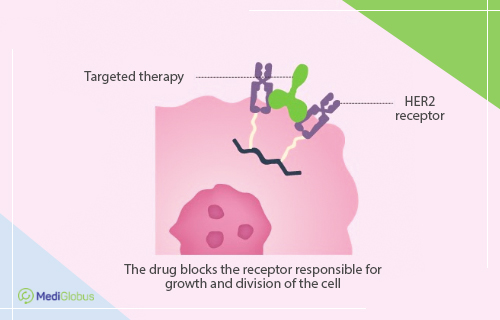
The first targeted drugs for the treatment of HER2-positive breast cancer appeared back in the 90s, and since then doctors have developed a wide range of drugs. The wide range of treatments means that if one drug does not have the expected effect, it is possible to choose another.
The most common drug prescribed to treat HER2-positive breast cancer is Trastuzumab/Herceptin. It belongs to a group of drugs called monoclonal antibodies. These are synthetic antibodies that replicate the function of the patient’s immune system and are “programmed” to destroy cancer cells. Trastuzumab is used in combination with chemotherapy, the course of which will be determined by an oncologist based on the individual characteristics of the patient. The standard treatment lasts 12 months, although it may be shorter in individual cases, depending on the patient’s tolerance to the drug. In addition to Herceptin, the FDA has approved several other drugs with a similar mechanism of action.
One of the common problems associated with Trastuzumab is the development of resistance to the drug – in about half of the women, it stops working over time. However, this is no longer a problem in foreign cancer centres – other targeted drugs such as Lapatinib, Tucatinib (Tukisa) and Neratinib are available there. They belong to a different group of targeting drugs – tyrosine kinase inhibitors (TKIs). They bind to HER2 receptors on the surface of cancer cells, blocking the signals that make breast cancer cells keep growing.
Another innovative drug available abroad for patients with HER2-positive breast cancer is antibody-drug conjugates (ADCs). They consist of two halves: one recognises cancer cells and binds to them, while the other contains a drug that is toxic to the tumour. Together they penetrate the neoplasm and deliver a substance that does maximum damage to the cancer cells while sparing healthy cells. So far, the FDA has only approved two drugs in this group for the treatment of breast cancer, but at least ten are in the development phase.
In addition, drugs in the AKT-inhibitor group are used to treat HER2-positive breast cancer, which can also recognise cancer cells, but affect different mechanisms of cancer cell function than previous drugs.

Other technologies, including bispecific antibodies, engineered toxic bodies, and cancer vaccines, are also being tested as possible strategies to prevent or treat HER2-positive breast cancer.
Treatment strategies for HER2-positive breast cancer depending on stage
Early-stage breast cancer | Most patients diagnosed with early-stage HER2-positive breast cancer are treated with chemotherapy in combination with Trastuzumab. This is the most effective treatment strategy, improving survival rates up to 59%. After the course of therapy, surgery is required to remove the tumour, followed by adjuvant-targeted therapy. |
Breast cancer with local spread | HER2-positive locally advanced breast cancer can be successfully treated with multimodality therapy including anti-HER2 therapy, timely surgery and radiation therapy. Neoadjuvant (preoperative) targeted therapy creates a chance for organ-preserving surgery. |
Breast cancer with metastases | When breast cancer spreads, it most often goes to the bones, liver, and lungs. It can also spread to the brain or other organs. |
Treatment prognosis for HER2-positive breast cancer
Thanks to medical advances, today in foreign oncology centres doctors can achieve a survival rate of over 90%, if the disease is diagnosed at an early stage. However, the final prognosis is influenced by various factors: tumour size, number of hormone receptors, age of the patient, etc.
The five-year survival rate of patients with HER2-positive breast cancer, according to SEER, depending on hormonal status, is:
| Localised | Regional | Distant | |
|---|---|---|---|
| Hormone-positive | 99,3% | 90,4% | 45,8% |
| Hormone-negative | 97,3% | 84,2% | 39,7% |
Breast cancer treatment abroad
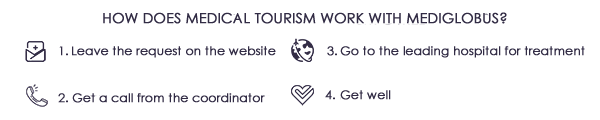
By contacting the international platform MediGlobus, you will be able to receive treatment from leading foreign oncologists on a priority basis, without a long wait for a response from the clinic. We accompany our patients at all stages of treatment and make sure that you always receive the best medical care.
What should a woman do if she is first diagnosed with HER2-positive breast cancer?
The first thing to do when you hear a cancer diagnosis is to pause and give yourself a chance to realise the information. Breast cancer is always a shock. Alas, sometimes patients get into denial, not realising that this is truly happening to them, and thinking that there has been a medical error. This reaction is natural but dangerous – HER2-positive breast cancer develops rapidly, and without starting therapy soon, it can progress to a difficult-to-treat phase. At this stage, it is very important to have someone around to support you and take the initiative.
The basis of effective treatment is a correctly diagnosed diagnosis, so the patient needs to undergo all tests and examinations as soon as possible. There are also nuances – for example, different generations of tomography scanners differ in the detail of the images, which plays an important role in diagnosis and treatment planning. The price question is also important – if you are planning treatment abroad, some tests may be cheaper at home, while others have a very short period of relevance and it makes sense to undergo them only in the country of treatment. You can discuss such details with our medical coordinators, who provide free counselling for medical tourists.
When it comes to serious, serious diseases, many medical resources recommend always getting a second medical opinion. We are most often approached by patients from various countries – Ukraine, Kazakhstan, Poland, etc. – who were diagnosed with breast cancer in their home country, but for one reason or another decided to undergo treatment abroad. When they see oncologists in Turkey, Germany, Spain, Israel, etc., they are re-examined and in approximately ⅓ of cases they receive a different or clarified diagnosis.
Learn more about your diagnosis and the treatment options available. Being informed can help you approach the recovery process with better awareness, ask important questions of your doctor, and be better prepared for the steps of therapy. When you’re looking for cancer information online, it’s important to be critical of what is written and only trust reputable sources. For example, all MediGlobus articles are curated by certified doctors and are based on quality, up-to-date articles, research and official positions from international medical organisations.
Find a medical team you can trust. Treatment for HER2-positive breast cancer takes more than a year, and during this time you will have many interactions with doctors and nurses. A trusting relationship must be formed between the patient, her support group and the nursing staff. Without previous experience in finding a hospital and doctor, it can be difficult to sort out all the nuances on your own, especially when considering overseas treatment. That’s why many patients turn to intermediary companies like MediGlobus for help. We work with 250+ clinics in more than 30 countries and communicate directly with hundreds of experienced oncologists, so we can organise a consultation in half the time it would take to contact a hospital directly.
Realising and accepting a cancer diagnosis is an ordeal that you don’t have to go through alone. The support of family and loved ones is very important, but patients also need to be aware of other options available to them. Many foreign oncology centres offer support groups for cancer patients or work with a psychologist specialising in cancer care. The psychological component should not be underestimated – an optimistic attitude has been proven to promote recovery and help patients tolerate treatment more easily.
Clinics and prices for breast cancer treatment
Clinics in Turkey, Spain, Israel, Germany, Austria, South Korea and Germany are most popular among medical tourists for breast cancer treatment abroad. They are chosen because of the possibility of treatment under the guidance of the most experienced and successful doctors, the availability of modern medical technologies, the use of innovative medicines, and in addition to all this – good value for money. To find the best offer for breast cancer treatment abroad to suit your budget, contact MediGlobus’ coordinating doctors for a free consultation.



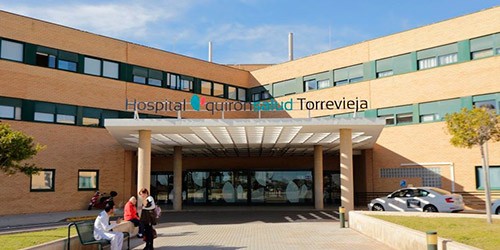
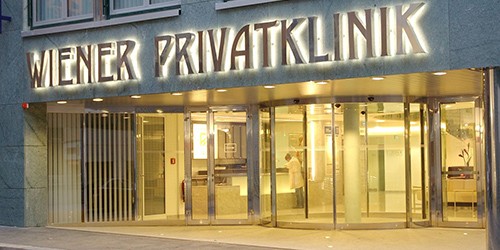



You can get a free estimate for breast cancer treatment abroad by filling out the form and waiting for a call from our medical coordinator. We will call you back to clarify all important information and provide you with up-to-date offers.
Summary
HER2-positive breast cancer is an aggressive but curable form of cancer. The tumour grows and metastasises rapidly, but responds well to targeted therapy, for which there is a wide range of drugs available in foreign clinics.
The basis for timely diagnosis of breast cancer is a mandatory female check-up. To determine the HER2 status, immunohistochemistry or FISH tests are required.
Depending on the results of the examinations, the stage of the disease, the age of the patient and other nuances, doctors apply various treatment strategies for HER2-positive breast cancer. These may include various types of surgery, chemotherapy, targeted therapy, and sometimes hormonal and radiation therapy.
Today, in foreign oncology centres, doctors manage to achieve a survival rate of over 90% for patients diagnosed with HER2-positive breast cancer, if the disease is diagnosed at an early stage.
Among medical tourists, the most popular clinics for breast cancer treatment abroad are Liv Vadistanbul, Koç University Clinic (Turkey), Teknon University Hospital, Quironsalud Torrevieja Hospital (Spain), Vienna Private Clinic (Austria), University Hospital Freiburg (Germany), Assuta Clinic (Israel), Asan Clinic (South Korea).
Sources:
- 1. American Cancer Society
- 2. Breast Cancer Research Organisation in the US
- 3. Breastcancer.org
- 4. Current opinion in obstetrics & gynecology: HER2-Positive Breast Cancer: Current Management of Early, Advanced, and Recurrent Disease
- 5. National Cancer Institute
- 6. Gan To Kagaku Ryoho: [Locally Advanced HER2-Positive Breast Cancer Successfully Treated with Trastuzumab Emtansine]