NEEDS SUPPORT?
Call me back

Leave your phone number and our Medical Coordinator will contact you

Leave your phone number and our Medical Coordinator will contact you

Asan Medical Center
The specialists of the MEDIGLOBUS Support Team will help you to get an individual Treatment Plan with a Price Quote.

Asan Medical Center

Korea, Seoul

Clinic Review

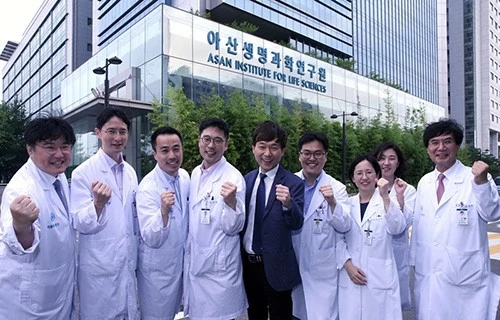
Asan Medical Centre is one of the largest hospitals in Seoul. It is a multi-speciality hospital with an outpatient department and a 2,764-bed hospital. The hospital is the country’s leader in the number of successful liver, kidney and pancreas transplants. In 2020, the Korea Standards Association ranked the medical centre as the best in terms of patient care quality.

Asan Medical Center

In Newsweek magazine’s ‘World’s Best Specialised Hospitals 2024’ ranking, Asan Clinic was ranked among the top 10 global leaders in five medical fields. It ranked 3rd in endocrinology, 4th in urology, 5th in gastroenterology, 6th in oncology and 8th in neurology. Asan is also recognised as the best hospital in South Korea in six specialties including cardiology, gastroenterology and neurology.

Since its opening in June 1989, Seoul Asan Hospital has achieved world-class results. Through continuous investment in clinical research and development, the hospital has become one of the most high-tech hospitals in the country. Asan Medical Centre is equipped with state-of-the-art medical equipment and operates in full compliance with international standards. It is a leader in the development of medicine in South Korea.

Asan is the main hospital of eight hospitals under the Asan Social Welfare Foundation, which was established in 1977. This foundation is involved in projects such as health care, social welfare, scholarships and research.

Asan Medical Centre has concentrated all its capabilities to fulfil its main mission: ‘To promote healthy lives through excellence in care, education and research’. As a result, in just 30 years, new treatments have been developed here that have overcome the limitations of existing approaches and have been breakthroughs in the treatment of cancer, cardiovascular and paediatric diseases.

In 2019, the centre welcomed more than three million patients. Patients from the USA, UAE, China, Kazakhstan, Ukraine and Russia most often come to the Korean Asan Clinic.

Seoul Asan Hospital is the largest hospital in Korea. It has 44 departments and more than 25 treatment centres. The hospital is constantly expanding, creating comfortable conditions for patients and introducing the latest technologies for treatment. This medical centre is in demand among foreign patients, in particular, medical tourists from Europe, the United States of America, China, etc. By 2023, it has achieved the following results:

Asan Medical Center
  • 2,764 hospital beds;
  • 13,260 outpatients daily;
  • 926,794 hospitalisations per year;
  • 20,086 international patients per year;
  • 70,892 surgeries per year.

Asan Medical Centre provides cancer treatment, orthopaedic, cardiac, neurological, gastroenterological and other surgeries. There is a department for working with international patients. More than 67,000 surgeries with the use of modern technologies are performed at the hospital every year.

  • Ranked first in Korea on the Korean Standard-Service Quality Index.
  • Asan Medical Centre has been ranked among the ‘Top 3 Leading Domestic Companies’ by All-Star for 7 consecutive years.
  • A team of doctors from the Department of Thoracic Surgery has developed a method that can assess the risk of aortic valve replacement surgery. They identified 13 factors and 17 levels of risk. At the first level, the risk of mortality during surgery is 0,3% and at the last level, the risk of mortality is 80,6%. This way, they can accurately determine the safety of the surgery for each patient individually.
  • The Screening and Health Promotion Centre at Asan Hospital won first place in the ‘Best Health Promotion Centre’ category. The survey was conducted by Brand Power (K-BPI) 2020 under the guidance of the Korea Management and Consulting Association. The centre has been leading in this nomination for 3 consecutive years.
  • According to the Korea Management and Consulting Association (2007-2020), Asan has been the most respected and sought-after hospital in Korea for 14 consecutive years.
  • In 2013, Asan was selected as South Korea’s premier research centre for developing innovative treatments for infectious diseases through stem cells, as well as new chemotherapy treatments for serious cancers.
  • In 2020, doctors at Asan Hospital performed the 200th robotic sacrocolpopexy (pelvic organ prolapse surgery). After this procedure, 80% of the patients had no recurrence of pelvic organ prolapse and returned to their normal lives.
  • Asan Medical Centre is included in the ‘Top 100 medical institutions of the world’, according to the American edition of ‘Newsweek’. This is an international mark of recognition for the quality of medical services at the clinic.
  • From 2008 to 2011, it was number one in the world in customer satisfaction (data from Japan Management and Consulting Association).
  • The Transplant Centre of Asan Medical Center has been awarded the Medical Korea-2018 Award in the category of ‘Best Transplant Centre’.

Services and facilities of Asan Hospital

Asan Medical Center

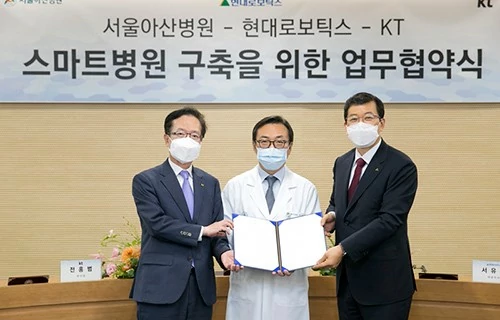
Asan Hospital has implemented the Smart hospital system. In cooperation with Hyundai Robotics, the hospital’s wards and doctors’ offices are now connected to one system. It can not only monitor the condition of patients but also manage hospital assets and information. All of this is being done to make Asan Hospital the safest hospital in Korea.

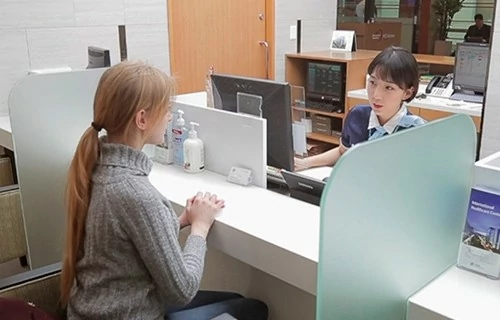
Asan Hospital provides a unique service for international patients – professional concierge service. A concierge is a patient coordinator who provides all services, from entering the country to translation on the territory of the clinic, booking transfers and communicating with the staff. The medical centre also provides English-speaking assistants. They accompany the patient at all stages of treatment: make a treatment plan, deal with financial issues, and organise meetings and accommodation.

On 2 October 2023, Asan Hospital became the first in Asia to receive Level 6 certification under the new INFRAM model from HIMSS. This certificate recognises the high level of digital infrastructure of a healthcare facility. The clinic received high marks for data management, cybersecurity and the implementation of innovative solutions such as robotic and digital systems and the application of artificial intelligence.

  • Asan offers a variety of services for visitors. There are comfortable recreational areas, a beautiful park and cultural facilities. Various shops, banks, pharmacies and beauty salons are located within the centre. Restaurants with a variety of cuisines including Korean, Japanese and Chinese are also available to cater for different gastronomic preferences.
  • For spiritual support, there are prayer rooms for Christians, Buddhists and Muslims, as well as places for services.
  • MC Asan also offers convenient accommodation and transfer facilities, ensuring complete accompaniment and comfort during the visit.

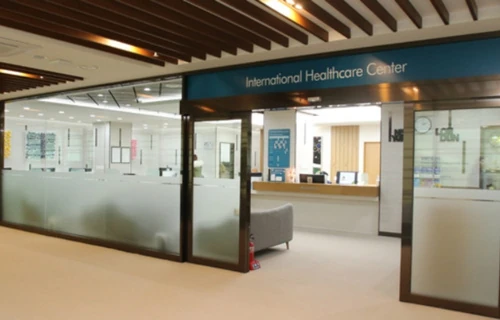
Asan International Centre

AMC International Healthcare Center (AMC International Healthcare Center) provides comprehensive medical care for foreign patients, both those living in Korea and those coming from abroad. The centre offers primary care, specialist consultations, emergency care, prescriptions, vaccinations, and medical examinations for visa applicants and students planning to study abroad.

For international patients, the centre provides a convenient process from appointment to discharge, including follow-up, assistance in arranging examinations, processing bills and obtaining medical reports. Patients can provide medical documents and test results in advance for faster processing.

The centre’s staff offers translation services in English, Chinese, Japanese, Russian, Arabic and Mongolian, as well as consultations at all stages of treatment. More than 100 volunteers from among the clinic’s staff help patients to comfortably navigate the hospital, providing personalised support and assistance at all stages of the medical process.

Asan Medical Center

Features of the Clinic

Cancer treatment at Asan Medical Centre

Asan is a leader in cancer treatment in Korea due to its comprehensive and multidisciplinary approach. Specialists from various fields including diagnostic, surgical, medical and radiation oncology work together to develop personalised treatment plans for each patient. Asan Cancer Institute has 17 specialised centres, providing individualised treatment for each type of cancer. The clinic also performs the highest number of tumour surgeries in Korea and has the highest survival rates among patients.

Each department of the Cancer Institute offers specialised treatment for specific types of cancer. The main areas of work of the institute are:

  • cancer of the biliary system and pancreas
  • bone and soft tissue sarcomas
  • brain tumours
  • breast cancer
  • CAR T-cell therapy
  • colorectal cancer
  • gynaecological oncology
  • head and neck cancer
  • haematology and bone marrow transplantation
  • liver cancer
  • lung cancer
  • skin cancer
  • oesophageal and gastric cancer
  • urological oncology, etc.

Over 1,1 million patients have been treated there. More than 1 million outpatient visits were registered, and the number of inpatient days is over 83,662. Over 36,000 new patients are referred to specialists per year, about 23,000 surgical operations are performed and 7,000 consultations within multidisciplinary clinics. The department carried out 234,606 courses of chemotherapy and 112,221 sessions of radiotherapy. More than 5,000 patients underwent genetic tests and 594 clinical trials were organised.

The Cancer Institute of Asan Hospital has achieved significant results in cancer treatment. The centre has performed the highest number of gastric cancer surgeries and laparoscopic cervical surgeries in the world. The hospital also leads Korea in the number of annual cancer surgeries, particularly for liver, pancreatic, biliary, colorectal and breast cancer. Korea’s first multidisciplinary cancer centre was established here in 2006, followed by a centre for personalised medicine in 2012. In 2020, a precision medicine centre was opened, greatly enhancing precision diagnosis and treatment capabilities.

The institute’s equipment includes robotic surgical systems that enable complex surgeries to be performed. The clinic has performed more than 500 robotic oesophageal surgeries, the highest number in Asia. The clinic also has state-of-the-art systems for rapid diagnosis, chemotherapy infusion centres and patient data management platforms.

Asan Medical Center

In 2019, Asan Hospital performed its 20,000th endoscopic surgery to remove a stomach tumour.

To treat lung cancer, doctors use surgery, radiation therapy, and chemotherapy. These methods are combined depending on the nature and stage of the tumour.

At the cancer treatment centre, you can undergo a new pre-implantation genetic test NGS. At the moment it is the most accurate test for diagnosing hereditary oncology. More than 2,800 patients have undergone it in 2019.

The oncology department has organised a competent system of post-operative care. This approach reduces the chances of complications and helps patients recover faster.

It has Breast Cancer Centres, Lung Cancer Centres and a multidisciplinary prostate cancer treatment centre.

Breast Cancer Treatment Centre at Asan Clinic

More than 20,000 breast tumour surgeries have been performed at the Asan Centre in Korea. In the Department of Breast Cancer Treatment, 70% of tumour removal procedures are performed with organ preservation. If the breast cannot be saved, doctors perform reconstructive surgery.

After mastectomy, oncologists at the clinic usually prescribe radiotherapy using the ‘5 pathways’ technology. This is a procedure for irradiating the remaining cancer cells. This approach reduces the risk of pathology recurrence by 31%. In addition, chemotherapy, anti-hormonal therapy and targeted therapy are available at the Breast Cancer Treatment Centre at Asan Medical Centre.

The doctors of the clinic are proud of the high survival rates of their patients: after the removal of breast cancer at stages 1 and 2, 97% of patients live for 5 years, and at stage 3, more than 80% of patients live for 5 years.

Mastectomy
MRI, breast ultrasound
Consultation with oncologist, mammologist
Breast surgery
Rehabilitation after surgery

Get a free consultation

Prostate cancer treatment at Asan Hospital

Da Vinci robotic surgery
Consultation with a surgeon
Preoperative diagnosis
Robotic intervention
Rehabilitation

Get a free consultation

Asan Hospital’s Prostate Cancer Centre has a ‘One stop’ diagnostic system. It allows you to undergo prostate cancer screening and get the result within 1 day.

At the Asan Medical Centre, prostate cancer is treated with chemotherapy, radiation therapy, surgery and hormone therapy.

The centre has the advantage of being able to remove prostate tumours with the Da Vinci robot. In 2017, the clinic performed the 5,000th robotic operation for resection of a prostate tumour.

Gastroenterology at Asan Hospital

The Gastroenterology Department specialises in the treatment of acute and chronic gastrointestinal diseases. It performs laparoscopic and endoscopic surgeries to treat the stomach, intestines and pancreas. The success rate of such operations exceeds 90%.

The largest department for the treatment of Crohn’s disease operates on the basis of the department. More than 50% of cases of this disease are treated with the help of sparing laparoscopic surgery. After such intervention, a person recovers within a week and can quickly return to the usual way of life. Complications are extremely rare (no more than 4% of patients).

Cardiac surgery and cardiology at Asan Hospital in Korea

About 200 aortic valve replacement surgeries are performed at Asan Hospital each year using the TAVI method. The survival rate for this complex operation is 99%. Patients after the age of 80 are operated on with intravenous sedation. Therefore, the procedure has become standard for elderly patients with severe aortic valve disease.

In addition to traditional surgical treatment, minimally invasive surgical interventions have been introduced here: percutaneous treatment and a combination of surgical interventions.

In 2024, Professor Yoo Jae Suk performed the 500th minimally invasive 3D endoscopic cardiac surgery. This technique is used to treat heart valve and atrial septal defects, heart tumours and atrial fibrillation. During these surgeries, a 3D endoscope is used and the surgeon wears special glasses to view the volumetric images, which improves the perception of the depth and thickness of tissues. This helps to perform more precise manipulations and increases the safety of the operation. The success rate of the method, for example in mitral valve correction, is up to 99%.

Asan Medical Center

With the opening of the hybrid operating theatre at Asan Clinic, it is now possible to perform conventional and percutaneous surgeries in a single intervention. This ensures a higher success rate and also reduces the risks of complications.

There is also a special laboratory for vascular diseases, where various methods of non-invasive examination of the cardiovascular system are available, allowing for accurate and quick detection of the slightest abnormalities in the heart.

The Asan Clinic has an Aortic Disease Treatment Centre. Here, modern methods are used to treat aortic pathologies such as aortic aneurysms, aortic dissection and aortic stenosis.

Asan Clinic conducts numerous studies in the fields of cardiology and cardiac surgery to improve the treatment of cardiovascular diseases. In 2024, a team of cardiologists led by Professors Gi-Byung Nam and Duk-Woo Park published an important study showing that anticoagulant monotherapy is more effective than traditional dual antithrombotic therapy for patients with atrial fibrillation and stable coronary heart disease. According to the results, the rate of serious complications such as death, stroke and bleeding was reduced by 56% after one year of treatment. These findings, published in the New England Journal of Medicine, could change global clinical guidelines.

Aortocoronary bypass surgery
Specialist consultation
Comprehensive examination
Shunt placement on a working heart
Rehabilitation in hospital

Get a free consultation

Mitral valve replacement by TAVR method
Specialist consultation
Comprehensive examination
Minor invasive surgery for valve replacement through femoral artery puncture
Rehabilitation

Get a free consultation

Transplantology at Asan Hospital

According to the National Transplant Centre of Korea, in 2012 the hospital became the leader in the success rate and number of organ transplants such as liver, kidney, lung, pancreas and heart. 20% of all organ transplants in South Korea are performed here. As of 2024, the hospital has performed more than 25,000 organ transplants. The hospital’s transplant success rate exceeds the world’s rates and is on par with leading clinics in the United States.

Survival rates after transplantation are impressive:

  • Liver – 98% in the first year, 90% after 3 years and 89% after 10 years.
  • Heart – 95% in the first year, 86% after 5 years and 76% after 10 years.
  • Kidneys – 98,5% in the first year, 90% after 5 years and 77,1% after 10 years.
  • Lungs – 80% in the first year, 71% after 3 years and 68% after 5 years.
Asan Medical Center

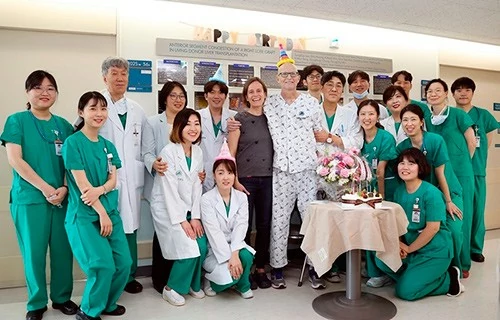
In November 2018, the 5,000th liver transplant from a living donor was performed here. The centre has the best survival rate of liver transplant patients among Korean hospitals at 98%.

In December 2019, Asan Medical Centre performed a complex liver transplant from a living donor for a patient with cirrhosis and myelodysplastic syndrome. Hospitals in the US were reluctant to take on a patient in serious condition.

Doctors from Stanford Hospital recommended the Asan Clinic for the liver transplant, noting that South Korea is far ahead of the US in this field. The 18-hour surgery was successful and the patient returned to the US in February 2020 to continue chemotherapy courses.

  • Lung transplantation is possible at the Transplantation Department of Asan Hospital. From 2008 to 2020, 110 lung transplants have been performed here.
  • Pancreas transplantation is also possible here. From 1992 to 2015, the clinic received 310 patients for this operation.
  • The one-year survival rate of patients after surgery is 80%. The 3-year survival rate after lung transplantation at Asan Hospital is higher than the global rate of 68%.
  • Kidney transplants at the Asan Centre are successful for 98% of patients. By 2019, transplant surgeons have performed more than 4,500 successful liver transplants.
  • Since 1992, the hospital has performed 900 heart transplants. The hospital uses a heart function assist device (LVAD) to significantly improve the quality of life of patients awaiting transplantation. The success rate of surgery at the Asan Centre is 95%. A heart transplant at Asan gives 76% of patients a chance to live another 10 years. The hospital’s 10-year success rate for heart transplants exceeds the global rate by a quarter and is on par with the Stanford Hospital in the US.
Kidney transplant
Donor search
Kidney biopsy
Kidney transplant surgery
1-month in-patient rehabilitation

Get a free consultation

Liver transplantation
Donor search
Liver biopsy
Liver transplant surgery
1-month in-patient rehabilitation

Get a free consultation

Plastic surgery at the Asan Clinic

The plastic surgery centre performs aesthetic and reconstructive surgeries and uses methods of injectable cosmetology and laser techniques. Surgeons of Asan Medical Centre specialise in complex reconstructive procedures. They correct congenital and acquired defects of the skull, facial bones, and neck.

Patients often choose Asan Clinic for rhinoplasty, abdominoplasty, and breast augmentation. To correct the shape of the breast, the clinic uses certified implants or the patient’s own tissue.

The Aesthetic Plastic Surgery Centre performs laser procedures. The department has at its disposal modern devices: 3D-laser, CO2-laser, Starlux unit. They are used to treat vascular anomalies, correct age spots, and rejuvenate the face and body.

In 2019, the 1,000th reconstructive surgery for head and neck cancer was performed here. This microsurgical operation requires implanting the patient’s skin, muscles and arteries from the thighs to the head or neck area. The Asan Centre performs more than 100 such surgeries each year with a 98% success rate.

Asan Medical Center

Robotic Surgery at Asan Hospital

Asan Medical Centre currently operates three large da Vinci robots. These units are used in urology, breast, prostate and colon oncology, as well as endocrine surgery, liver transplantation and hepatobiliary surgery, pancreatic surgery, paediatric surgery, otolaryngology, obstetrics and gynaecology.

Robotic surgery at Asan Hospital took root quite quickly. In a short time, the highest number of surgeries in Korea was recorded here. In 2017, about ten years after the Da Vinci robot was introduced, doctors performed 10,000 robotic surgeries.

Seoul Asan Hospital is constantly striving to provide effective and safe treatment for every patient. In 2007, the medical centre installed the Da Vinci robot, a state-of-the-art medical equipment for minimally invasive interventions.

Korea’s first robotic tracheotomy with reconstruction through thoracic access has been successfully performed at Asan Hospital. A team led by Professor Yong-Hee Kim from the Department of Thoracic and Cardiovascular Surgery removed a rare tracheal tumour diagnosed in a 71-year-old patient. The tumour was extremely rare (glomangiomyoma) and is one of only 3 known cases in the world. The surgery using the da Vinci robotic system lasted 4 hours. The doctors managed to completely remove the tumour, minimise the risks and perform a precise reconstruction of the trachea.

Treatment of children at Asan Hospital

For the treatment of children, the Asan Centre has special departments for:

  • neonatology;
  • paediatric surgery;
  • paediatric nephrology;
  • paediatric cardiology and cardiac surgery;
  • paediatric neurology and neurosurgery;
  • paediatric oncology;
  • paediatric oncohaematology;
  • paediatric traumatology and orthopaedics.
Asan Medical Center

In 2024, AMC Children’s Hospital at Asan Centre celebrated its 15th anniversary. Doctors in the department have performed about 60,000 surgeries to treat serious diseases in children during this period. Among them, about 20,000 surgeries were for diseases such as hepatoblastoma and congenital diaphragmatic hernia, while 10,000 surgeries were for complex heart diseases. The hospital has treated about 450,000 emergency patients, the highest number in Korea.

In January 2020, surgeons at the Asan Centre operated on a 12-month-old baby boy. The child was born with a congenital heart defect – transposition of the main vessels. During the operation, the surgeons of Asan Clinic restored the position of the main vessels and corrected the defect of the interatrial septum.

The paediatric department of Asan Clinic performs orthopaedic surgeries. One of the most famous cases is the correction of 100-degree scoliosis in a 17-year-old girl from Kyrgyzstan. She underwent traction treatment for a month and then underwent two successful surgeries. After all the interventions, the curved spine straightened and the girl grew 8 centimetres.

Check-Up at Asan Clinic

Asan Clinic offers Check-Up, a comprehensive medical examination aimed at early detection of diseases and assessment of the patient’s health status. Based on the results of the examination, specialists develop individual recommendations for prevention and treatment.

The centre employs more than 50 doctors and 200 health screening specialists specialising in 13 fields of medicine. The clinic’s team provides an individual approach to each patient, with the possibility of selecting a personalised examination programme.

The clinic has advanced medical equipment:

Asan Medical Center
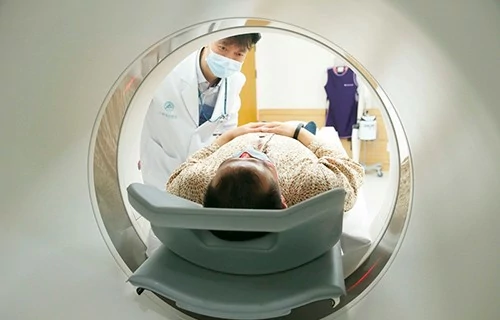
  • CT and MRI to visualise internal organs;
  • PET for the detection of malignant lesions;
  • gastroscopy and colonoscopy to examine the gastrointestinal tract;
  • echocardiography, treadmill test, etc. to evaluate the cardiovascular system;
  • ultrasound diagnostics;
  • etc.

A Check-Up usually takes 1 day to complete. All investigations are carried out in a consistent and organised manner. Thanks to the computerised referral system, waiting times are minimised.

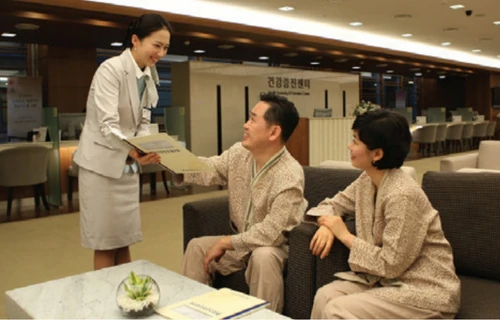
The Asan Clinic offers a comfortable environment for patients. There are separate examination areas for men and women, as well as hotel-type rooms for overnight stays. Cosy spaces such as an art gallery and a lounge offering soup and tea make the waiting process more pleasant.

Check-Up begins with a consultation and defining the goals of the examination, followed by the necessary tests and analyses. Once the diagnosis is complete, the patient is reported with recommendations. If a disease is detected during the check-up, the patient has the opportunity to start treatment immediately, which significantly increases the chances of a positive outcome and the effectiveness of therapy.

Essential Programme A (up to 40 years of age) – 3 hours

A general health screening for young adults. Includes:

  • Physical measurements: height, weight, body mass index and other measures.
  • Blood tests: general blood count, biochemistry, hormones, tumour markers, infections.
  • Urinalysis: general analysis.
  • Ophthalmological examination: visual acuity, eye fundus.
  • Audiometry: hearing assessment.
  • Lung examination: chest X-ray.
  • Cardiological examination: ECG, cardiac ultrasound.
  • Gastroenterological examination: gastroscopy and colonoscopy under sedation.
  • Neurological examination: ultrasound of neck vessels.
  • Endocrinological examination: ultrasound of the thyroid gland.
  • Gynaecological examination (for women): ultrasound of the pelvic organs, smear for oncocytology, HPV test.
  • Mammography (for women over 35 years of age): X-ray examination of the mammary glands.

Essential Programme B (40 years and older) – 3 hours

A more in-depth health check-up for middle-aged and older people, taking into account the increasing risks of developing chronic diseases. Includes all tests from Programme A as well as:

  • Additional blood tests: vitamin D.
  • Bone tests: densitometry, spinal X-rays.

In addition, there are specialised Check-Up packages, which are aimed at more in-depth examination of specific organs or systems and include more specific diagnostic methods.

Cancer Specialised Programme – 5 hours

Early diagnosis of cancer of various organs. Recommended for patients with suspected cancer or at high risk of developing cancer. The package includes an examination of different organs: stomach, colon, lungs, liver, prostate, thyroid, and breast.

  • CT scan of the abdomen and pelvis;
  • ultrasound of the thyroid gland;
  • prostate ultrasound;
  • chest CT scan;
  • colonoscopy under sedation;
  • FGDS (gastroscopy);
  • additional blood tests for oncomarkers;
  • gynaecological examination: mammography, pelvic ultrasound, cytology.

Cardiovascular Disease Diagnostic Programme (Heart Specialised Programme) – 5 hours

Assessment of the cardiovascular system and identification of risk factors for cardiovascular diseases. Includes:

  • coronary CT;
  • echocardiography;
  • treadmill test (exercise test);
  • ultrasound of the neck vessels;
  • determination of arterial stiffness and the degree of peripheral arterial stenosis;
  • blood tests for cardiovascular markers;
  • additional tests from the Essential Programme B.

Intensive Programme – 6 hours

A more in-depth examination of the body than the Essential Programme. Suitable for people who want to get more detailed information about their health and identify possible problems at an early stage. Includes:

  • tests from the Essential Programme (Essential Programme B);
  • dental examination and dental X-rays;
  • oncological screening: abdominal and pelvic CT, thyroid ultrasound; prostate ultrasound, chest CT;
  • cardiological screening: coronary CT, CT with fat measurement, Echocardiography, Treadmill test, carotid artery ultrasound, arterial stiffness and peripheral arterial stenosis, cardiovascular risk marker.

Platinum Programme – 7 hours

The ultimate body check-up. Suitable for people seeking the highest level of medical care. Includes:

  • all Intensive Programme examinations;
  • MRI of the brain, MRA of blood vessels;
  • bone densitometry;
  • detailed anaemia test;
  • allergy blood tests;
  • bone metabolic markers.

Premium Programme – 2-3 days

A comprehensive examination of the body with a high level of comfort and service. Suitable for people who wish to undergo the examination in comfortable conditions and receive individualised attention. Includes:

  • all necessary examinations, including CT and MRI;
  • accommodation in an exclusive premium room;
  • a personalised medical consultant who will accompany the patient throughout the examination.

Cost of diagnostics and treatment at Asan Clinic

ProcedureCost
Specialist consultationfrom $80
MRIfrom $700
PET-CTfrom $1,500
CTfrom $680
Endoscopic ultrasoundfrom $2,800
Biopsy with bronchoscopyfrom $1,800
Laboratory analysesfrom $350
Check-up for menfrom $1,600
Check-up for womenfrom $1,700
Check-up Premium Programmefrom $3,000
Oncological Check-upfrom $2,500
ProcedureCost
Hip arthroplastyfrom $14,000
Aortocoronary bypass surgeryfrom $15,000
Knee joint endoprosthesisfrom $16,000
Prostate TUR (transurethral resection)from $5,350
Gastric ballooningfrom $11,000
Gastric resectionfrom $14,000
Brain tumour surgeryfrom $19,500
Mastectomyfrom $10,000
Mammoplastyfrom $14,000
Cochlear implant placementfrom $19,000
Gastrectomyfrom $15,000

Testimonials (2)

Average clinic rating
  • 5
    5
Lee Chun Hwa
Age: 56

The best hospital for an organ transplant. I have had my liver transplanted there recently. The best surgeons. The nurses are very kind.
Also, unexpected benefit - I was on the top floor, and the view from there was really beautifu... Read more

  • 4
    4
Hyuk Joon Kwon
Age: 41 years

This is the hospital where you can find some of the best medical staff in Korea! In other hospitals, you will be prescribed unnecessary tests or treatments, but not here! They also prescribe self-healing natural drugs that are much healt... Read more

Certificates

image11
Accreditation of the Ministry of Health of South Korea
ISO 9001 Quality Management System
Korean Institute for Healthcare Accreditation
Turkish Academy of Esthetic Dentistry (EDAD) Certificate
World's Best Hospitals by Newsweek

Doctors

Dr Chung Cheol-hyun is a specialist in thoracic and cardiovascular surgery, with extensive experience in the treatment of coronary and aortic diseases and heart defects in children and adults.He studied at Seoul National University, where he received his MD, and trained at leading medical institutions including Boston Children's Hospital and UCSF.Dr Cheung uses state-of-the-art minimally invasive techniques and operates using the Da Vinci robotic system. He specialises in complex surgeries including heart transplants and heart failure treatment. He actively works to develop innovative technologies and provides a comprehensive approach to patient care.
Speciality: coronary heart disease, aortic pathologies, valvular heart disease, paediatric cardiac surgical diseases.
Др. Чунг Чхоль-хён
Chung Cheol-hyun
Experience:
Cardiology
Dr Ra Young-shin is a highly qualified specialist in paediatric neurosurgery. He treats diseases such as Moyamoya disease, hydrocephalus and other neurosurgical pathologies in children. The doctor performs surgeries using gentle, minimally invasive methods and also performs Gamma Knife radiosurgery.Dr Ra Young-shin received his medical education in South Korea. In his practice, he actively collaborates with other specialists to create multidisciplinary teams for the comprehensive treatment of paediatric brain tumours and other complex diseases.
Speciality: Moyamoya disease, hydrocephalus, paediatric neurological surgery.
Др. Ра Ён-шин
Ra Young-shin
Experience:
Neurosurgery
Dr Jung-Man Namkoong is an experienced specialist in paediatric surgery with a focus on transplantation and general surgical diseases.He was educated at Ulsan University and Yonsei University. In his professional career, Dr. Namkung has held positions as an assistant professor and clinical fellow and has completed fellowships at leading medical centres including Children's National Medical Center in Washington, DC.He uses modern techniques such as laparoscopic surgery and robotic technology in his practice, providing high-quality treatment for patients with a variety of surgical conditions and congenital anomalies.
Speciality: paediatric surgery, transplantology in paediatrics.
Др. Чжун-Ман Намкунг
Jung-Man Namkoong
Experience:
Pediatry
Dr Lee Je-hwan is an experienced specialist in the field of haematology.Lee Jae-hwan received his MD degree from Chungbuk National University, and his Master's and Bachelor's degrees in Medicine from Ulsan University and Seoul National University.
He specialises in haematopoietic stem cell transplantation, treatment of leukaemia, myelodysplastic syndrome and other blood diseases, and modern cell therapy.
Др. Ли Чжэ-хван
Lee Je-hwan
Experience:
Oncohematology
Graduated from Hanyang University. He is an associate professor at Hallym University Hospital. The doctor practices at the Organ Transplant Centre at Asan Medical Centre. He performs liver transplant surgeries and specialises in hepatobiliary surgery. He is experienced in the treatment of liver diseases and liver cancer.
Speciality: liver transplantation, liver cancer.
Доктор Чул-Сун Ан
Chul-Soo Ahn
Experience: over 23 years
Transplantology
He graduated from Seoul National University. He is an associate professor at Hallym University Hospital. He practises at the Organ Transplant Centre at Asan Medical Centre. He performs kidney and pancreas transplants.
Doctor’s area of expertise: kidney and pancreas transplants
Профессор Дак Чен-Хан
Duck J Han
Experience: Over 20 years
Transplantology
Graduated from Seoul National University. He is a professor of radiation oncology at Ulsan University. The doctor treats breast cancer and lung cancer with CyberKnife radiation therapy.
Speciality: radiology, breast cancer, lung cancer.
Профессор Сын-до Ан
Seung-do Ahn
Experience: Over 20 years
Oncology
Graduated from Seoul National University. He is a professor of otolaryngology at Ulsan University. The doctor restores his patients' hearing, cochlear implantation and tympanitis treatment. He has extensive experience in the removal of skull tumours.
Speciality: otorhinolaryngology, head and neck cancer surgery.
Профессор Джон Чунг Ву
John Cheung Woo
Experience: Over 20 years
Otorhinolaryngology
Leading oral and maxillofacial surgeon and dentist of the Asan Medical Center. Works with oral oncologies and fractures. Performs reconstructive surgeries and implant installations. Graduated from Seul Medical University.
Specialization: Oral and maxillofacial surgery.
Д-р. Джи Хо Ли
Jee-Ho Lee
Experience:
Dentistry
Dr. Duk-Hyun Kang is a specialist at the Asan Clinic for Cardiovascular Diseases. The doctor specializes in the treatment of coronary heart disease, pathology of the heart valves and coronary arteries.
Specialization: Cardiology, cardiac surgery.
Dr. Duk-Hyun Kang
Duk-Hyun Kang
Experience:
Cardiology
Dr. Yun-koo Kang is an oncologist specializing in the treatment of gastrointestinal tumors. The doctor conducts surgical treatment, chemotherapy, uses targeted and immunotherapy drugs. The doctor studied at the Medical University of Seoul and trained at the National Cancer Institute of the United States.
Specialization: Treatment of gastric cancer, liver cancer, gastrointestinal sarcoma
Dr. Yoon-Koo Kang
Yoon-Koo Kang
Experience:
Oncology
Leading plastic surgeon of Asan hospital. Specializes in complex facial pathologies. Performs cleft lip reconstruction, palatoschisis surgery, facial bone trauma.
Specialization: plastic surgery, facial birth defects.
Pr. Dr. Koh Kyung Suk
Koh Kyung Suk
Experience:
Plastic Surgery

Location of the Clinic

88 Olympic-ro 43-gil, Pungnap 2 (i) -dong, Songpa-gu, Seoul, South Korea
   Asan Medical Center is approximately 1.5 hours drive from Incheon Airport. You can get to the hospital by taxi or public transport. When traveling on your own from Incheon airport, you can get there using the subway, one of the stations is located directly at the airport. You will need to go to the Jamsilnaru Station, which is the closest to the hospital. A shuttle-bus is located at the exit number 1 of the metro station, which takes you directly to the main entrance of the hospital. Shuttle bus runs on weekdays with an interval of every 10 minutes. The international department is located on the 4th floor of a new building.   Near the clinic there is a shore, where you can walk in your free time, as well as a large Olympic Park.
Korea
Korea

Similar clinics

Girin Plastic Surgery Clinic

Lienjang Plastic Surgery and Dermatology Clinic

Medicana Ataköy Hospital

Leave us a Review


    Successful
    This email already registered, please resend form

    Leave your request

    Благодарим за обращение.

    Наши координаторы обрабатывают
    вашу заявку.