


According to the latest figures from the World Health Organisation and the International Agency for Research on Cancer, some 20 million people worldwide will develop cancer in 2022. This figure emphasises the scale of the problem and the need for accurate information about the disease and its treatment. Correct information about the disease is essential. It helps people understand the nature of the disease, its symptoms, diagnostic methods and current treatment approaches. This is especially important during times when the Internet and social networks are overflowing with unverified information and advice that can not only not help, but cause harm.
In our article, we will dispel common myths about cancer and its treatment, providing you with reliable information based on the latest scientific evidence.
Myth 1: Cancer is deadly
A diagnosis of cancer causes great anxiety and fear in most people, as it is often associated with imminent death. This belief has been ingrained in the minds of many generations due to a lack of information, outdated perceptions and sad stories from the past when medical options were limited.
However, in recent decades, medicine has made significant advances in the diagnosis and treatment of oncology. Modern technologies make it possible to detect tumours at the earliest stages when the chances of successful treatment are much higher. New methods of radiation therapy, targeted therapy, immunotherapy, hormone therapy and personalised medicine, give patients more options to fight the disease.
Facts
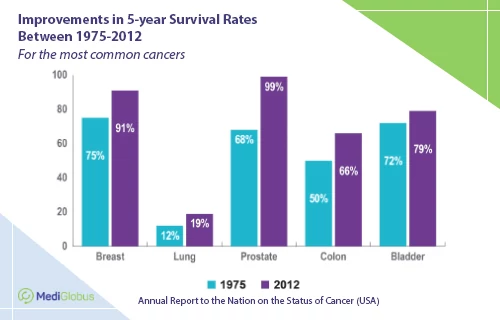
Deaths from cancer have been gradually declining globally in recent decades:
 According to the National Cancer Institute, there were about 16.9 million people in the U.S. who beat cancer in 2019. The likelihood of dying from malignant tumours in the country is declining by 1.5% per year. Today, the 5-year survival rate for breast, prostate and thyroid cancer exceeds the 90% mark.
In Europe, the situation is similar. Cancer Research UK states that in the UK, cancer survival rates have doubled in the last 40 years. For example, the survival rate for malignant testicular tumours is 98%, also more than 80% of people with various types of cancer live for 10 years or more.
Myth 2: There is no cure for cancer
There is a myth that cancer is incurable and any diagnosis is fatal. This myth is based on outdated information and a lack of knowledge about current medical advances.
In reality, based on numerous studies published in peer-reviewed scientific journals and sources, even the most complex cancers can be successfully treated. Innovative therapies have significantly improved the prognosis for many patients.
Facts
US scientists have found an effective way to fight terminal breast cancer. Scientists at the National Cancer Institute (NCI) have developed a method of immunotherapy using tumour-infiltrating lymphocytes (TILs) that helps women with metastatic breast cancer achieve durable remission. This method involves extracting cells from the tumour, growing them in the laboratory and injecting them back into the patient’s body. The study results have shown that the tumour and metastases partially or completely disappear.
In addition, in February 2024, the FDA approved a new treatment for advanced melanoma and other solid tumours using Lifileucel (Amtagvi). Clinical trials showed that 31.5% of patients achieved an objective response, and 54% maintained a positive effect for over 12 months.
Doctor’s opinion
Professor Anton Bilchik is an oncology surgeon, head of research in gastrointestinal diseases and chief of medicine at the St John’s Cancer Institute at Providence Saint John’s Medical Centre in Santa Monica, USA.
It is important that patients diagnosed with cancer, even at a late stage, do not lose hope: there are many effective, new treatments available, as well as more effective surgical techniques. A good example of that is that using modern immunotherapy, up to 40% of patients with stage 4 melanoma are cured, and 50% of patients with stage 4 metastatic colorectal cancer can be cured with a combination of chemotherapy and surgery.”
To learn more about modern cancer treatment, contact a MediGlobus medical expert. Click the button below and get a free consultation about diagnosis and treatment at leading clinics worldwide.
 Read:
Read: Myth 3: Cancer is contagious
Some people believe that cancer can be passed from person to person like an infectious disease.
Cancer is not contagious. A person with cancer cannot pass the disease to other people. Cancer is caused by genetic mutations and factors that affect cells, but it is not transmitted by contact or through the air.
Fact
However, some sexually transmitted infections, such as human papillomavirus (HPV) and hepatitis B and C viruses, can lead to cervical and liver cancer. In these cases, the infectious agent is the cause of the cancer, but the disease itself is not contagious.
Also, in rare cases, cancer can be transmitted through organ or tissue transplants from a donor who has had cancer before, but the risk is extremely low. According to the National Cancer Institute, the chance of getting cancer after an organ transplant is 2:10,000.
Organ transplantation, despite the risks, is an important and life-saving treatment for some diseases, including cancer. In some cases, such as liver tumours, kidney tumours, and malignant blood and bone marrow diseases, transplantation may be the only way to save a patient’s life. In this case, organs or tissue from donors are carefully screened to minimise any risks. In most cases, patients who have received an organ transplant successfully regain a full life.
Myth 4: Surgery to remove cancerous tumours causes cancer to spread
Some patients refuse surgery to remove a malignant tumour, believing that surgery runs the risk of spreading cancer cells throughout the body.
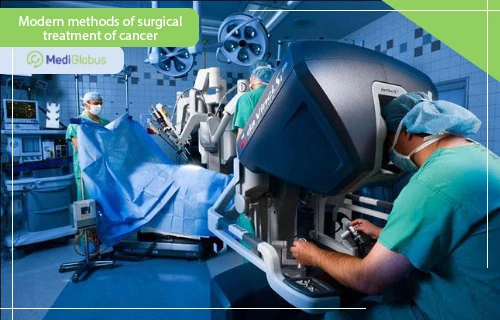
According to the American Cancer Society, modern surgical techniques aim to remove the tumour as completely as possible and prevent it from spreading. Surgery remains one of the primary methods of cancer treatment, and when done correctly, the risk of recurrence is minimal.
In foreign clinics, operations are performed using laparoscopy, endoscopy and robotic systems. Minimally invasive surgeries require only small incisions, which reduces the risk of infection, reduces pain and speeds recovery. Robotic systems allow surgeons to perform operations with even greater precision, helping to reduce complications and improve treatment outcomes.
In addition, for some cancers, intraoperative HIPEC chemotherapy or radiation may be given during surgery. Intraoperative chemotherapy is the injection of anti-cancer drugs directly into the tumour area during surgery. The procedure helps destroy remaining cancer cells and reduces the risk of recurrence. Intraoperative radiotherapy involves irradiating the tumour or surrounding tissue directly during surgery, which significantly increases the effectiveness of the treatment and helps to prevent the disease from recurring.
Facts
Surgery for liver cancer is a key treatment option, with 5-year patient survival rates as high as 89% when timely intervention is performed.
Mohs surgery for skin cancer shows high efficacy, with complete recovery in 90-100% of patients.
In nephroblastoma, if surgery is performed promptly and in combination with comprehensive therapy, the 5-year survival rate reaches 89%.
Get high-quality cancer treatment in the best medical centres of the world with MediGlobus. We will ensure that all the necessary paperwork is completed quickly and comfortably so that you can start treatment right away. Contact our coordinator for help in choosing the best treatment centre for your case and organising your travel abroad./p>
Myth 5: Cancer can be cured with traditional medicine
Some people believe that cancer can be cured through alternative remedies such as herbal infusions, bio supplements, special diets, acupuncture, etc.
Folk remedies and alternative medicine are not proven cancer treatments. Modern medicine relies on scientific research and clinical trials to identify effective and safe treatments.
Fact
Not only can folk remedies be ineffective, but they can also harm your health, according to the National Cancer Institute. For example, some herbal supplements such as kava can cause liver damage, and St. John’s wort can reduce the effectiveness of drugs used to treat cancer.
Moreover, using folk medicine instead of modern medical methods can be particularly dangerous because it wastes valuable time. During this time, the cancer may progress and opportunities for successful treatment may become less available.
For effective treatment, it is important to rely on proven medical methods and to consult your doctor regularly. Current approaches to cancer treatment include chemotherapy, radiation therapy, surgery, and anti-cancer drugs that have reasonable efficacy and can achieve significant success against the disease.
Myth 6: All women diagnosed with breast cancer must undergo a mastectomy
Many people believe that when a woman is diagnosed with breast cancer, she will necessarily undergo a mastectomy, i.e. complete removal of the breast. This myth does not correspond to modern approaches to treatment.
Breast cancer treatment can involve a variety of surgical techniques, and a total mastectomy is not always mandatory. Doctors often offer alternatives such as endoscopic or subcutaneous mastectomy. This method involves removing breast tissue through small incisions under the arm, allowing more of the natural tissue to be preserved and allowing reconstruction of the breast while maintaining its natural appearance. The surgery preserves the nipple and breast sensitivity, which greatly improves the quality of life of the patients.

Fact
According to research, subcutaneous mastectomy is as effective as open surgery. The 5-year survival rate after endoscopic surgery is:
Stage 0: up to 100%
Stage 1: 98-99%
Stage 2: 90-99%
In addition, women who have undergone minimally invasive surgery often have better psychosocial well-being and report better sex life after surgery. This type of surgery is also recommended for men with gynecomastia or breast cancer.

Myth 7: Men do not get breast cancer
There is a common misconception that breast cancer is an exclusively female problem and that men cannot suffer from the disease. However, this is a myth that does not take into account the reality of medical practice.
Fact
Breast cancer can occur in men, although such cases are rare, accounting for about 1% of all reported cases, as indicated by the World Journal of Surgical Oncology. Most men are unaware of the possible risk, which can lead to ignoring symptoms, especially if they are at risk. This can make timely diagnosis and treatment difficult.
Myth 8: Positive mood and psychological support will not help you cope with cancer
There is a belief that positive mood and psychological support do not play a significant role in cancer treatment.
Although positive mood cannot replace medical treatment, it can have a significant impact on the patient’s quality of life and adaptation to the disease.
In foreign clinics, the treatment of a psychologist or a counsellor has been included in the standard of cancer treatment since 2007. This is because depression or anxiety has a negative impact on treatment and general health. Studies show that depression can lead to a less healthy lifestyle, missed follow-up examinations and worsened treatment dynamics. Psychological support improves quality of life and reduces anxiety and depression, which contributes to more effective treatment and an improved immune response.
Fact
An article in the Journal of Radiotherapy & Medical Oncology describes the positive effects of psychological support in cancer treatment. A randomised trial showed that psychological interventions can delay breast cancer recurrence by 6 months and extend survival by about a year. There is also evidence that psychological support helps reduce cancer incidence, which is partly attributed to interfering with the production of stress hormones and stimulating immunity.
Click the button to get a free consultation from the experts at MediGlobus. We are here to answer all your questions and provide complete information about the treatment you need. Contact us and we will help you choose a hospital and doctor according to your needs and budget, help you with the paperwork and organise your trip.
Myth 9: Cancer is always accompanied by obvious symptoms, so it cannot be missed
Many people believe that cancer necessarily presents with obvious symptoms, making it easy to spot.

Many forms of cancer can be asymptomatic, especially in the initial stages. For example, pancreatic cancer or early lung cancer may not cause noticeable symptoms until it becomes more advanced. The lack of obvious signs of the disease can lead to a patient not seeking medical attention for a long time. During this time, the disease progresses. As a result, treatment becomes more aggressive and expensive than if the cancer is detected at an early stage.
Fact
According to the World Health Organisation, 30%-50% of cancer deaths can be prevented through timely diagnosis and prevention. Moreover, 80% of cancers can be completely cured if detected early. Also, thanks to early diagnosis and the introduction of screening programmes in European countries, it was possible to reduce the incidence of cervical cancer by 2 times.
One of the most effective methods of finding out about the state of the body and preventing diseases at the earliest stages of development is Check-Up. This is a comprehensive preventive medical examination aimed at early detection of diseases and assessment of the general state of health. It includes a range of tests and procedures such as blood tests, ultrasound, MRI, mammography and other screenings that can detect potential problems before symptoms appear. Check-ups are especially important for early diagnosis and prevention of serious illnesses, and doing them regularly can greatly increase the chances of prevention or successful treatment when an abnormality is detected. The convenience of a check-up is that it can be completed in as little as 1-2 days and the results can be delivered to you with the doctor’s recommendations.
Myth 10: Cancer is only successfully treated in the United States
It is a common misconception that the US is the only place to receive effective cancer treatment.
The US is certainly one of the world leaders in oncology, but to say that cancer treatment is only successful there would be an exaggeration. Many other countries have made significant progress in the diagnosis and treatment of cancer, offering patients high-quality medical care.
Modern medicine is a global network where scientists and doctors from different countries actively cooperate. Thanks to this, the latest advances in cancer treatment are rapidly spreading around the world. Leading clinics in Israel, Turkey, South Korea, Spain, the Czech Republic, and other countries use the same cancer treatment protocols as those in the United States. This means that patients have access to the most advanced therapies available. Doctors in these countries regularly undergo training and internships at leading cancer centres around the world, including in the US. This allows them to keep abreast of the latest scientific discoveries and apply them in practice.
MediGlobus co-operates only with institutions that have passed a strict check for compliance with international standards of quality and safety of medical care. These clinics use advanced technologies and methods confirmed by clinical trials and global experience. By choosing such medical centres, you can be sure of the high level of services provided and the reliability of treatment.








Summary
Thanks to early diagnosis and new therapies, survival rates for many cancers have reached high levels, as evidenced by decreased mortality and increased longevity of patients.
Based on many studies, even the most complex cancers can be successfully treated with early diagnosis and modern therapies.
Cancer is not contagious and cannot be transmitted from person to person through contact or air. However, certain viruses can increase the risk of developing certain cancers. In rare cases, the risk of cancer transmission can occur with organ transplants, but this risk is extremely low.
Modern surgical techniques aim to completely remove the tumour with minimal risk of spread. Intraoperative chemotherapy and radiation help to effectively fight the remaining cancer cells, improving treatment outcomes and reducing the likelihood of recurrence.
Folk remedies and alternative medicine are not proven cancer treatments, as their effectiveness and safety have not been confirmed by scientific studies. Such “treatments” may not only fail to help but may also be harmful to your health and interact with the medications.
Breast cancer treatment can include a variety of surgical methods, and total mastectomy is not always necessary. Doctors often offer alternative approaches, such as endoscopic mastectomy. The technique can preserve much of the natural tissue and preserve the natural appearance and sensitivity of the breast..
Breast cancer can occur in men, although such cases are quite rare. According to the World Journal of Surgical Oncology, about 1% of all breast cancer cases occur in men.
In foreign clinics, psychological support has been an integral part of cancer treatment since 2007, as depression and anxiety can have a negative impact on the overall condition and recovery process. Psychological support can delay breast cancer recurrence by 6 months and extend survival by a year, improving patients’ general condition and immune response.
Many forms of cancer can be asymptomatic, making it difficult to detect the disease promptly. Timely diagnosis and prevention can prevent up to 50% of cancer deaths, and early detection increases the chances of a full recovery by up to 80%. Comprehensive Check-Up preventive screening can detect diseases at early stages and assess overall health, which helps in successful treatment and prevention of serious diseases.
Many countries, including Israel, Turkey, South Korea and a number of European countries, have made significant advances in cancer diagnosis and treatment, using advanced methods and technologies similar to those used in the United States. Leading medical centres in these countries are rigorously audited to meet international standards, ensuring that patients have access to high-quality care.
MediGlobus is an international platform for organising treatment abroad. We will help you find the best medical centre and specialists, and provide quality treatment anywhere in the world. Contact us to get access to the world standards of medicine.

Sources:
- 1. Medical News Today: Medical myths: All about cancer
- 2. National Cancer Institute: Common Cancer Myths and Misconceptions
- 3. Indian Journal of Medical Research: Debunk the myths: Oncologic misconceptions
- 4. Cancer Research UK: Cancer Statistics for the UK
- 5. National Cancer Institute: Cancer Statistics
- 6. National Cancer Institute: NCI study advances personalized immunotherapy for metastatic breast cancer
- 7. MJH Life Sciences: Precision Treatment With TIL Shows Promise in Metastatic Breast Cancer
- 8. National Cancer Institute: First Cancer TIL Therapy Gets FDA Approval for Advanced Melanoma
- 9. CDC: Basic Information about HPV and Cancer
- 10. Cancer Research UK: Can infection with EBV, HIV, hepatitis or parasites cause cancer
- 11. American Cancer Society: Risks of Cancer Surgery
- 12. National Cancer Institute: Complementary and Alternative Medicine
- 13. Surgery 2002 Jan;131(1 Suppl):S324-9: Early results of an endoscope-assisted subcutaneous mastectomy and reconstruction for breast cancer
- 14. World Journal of Surgical Oncology: A case report of male breast cancer in a very young patient: What is changing?
- 15. Journal of Radiotherapy & Medical Oncology: The Psychologist’s Role in Oncology
- 16. The Cancer Atlas: Early Detection