


Lung cancer is one of mankind’s most insidious enemies. This disease is often asymptomatic or has non-specific signs. As a result, many patients go to the doctor when the tumour has already metastasised and the chances of recovery have significantly decreased. However, there is good news – lung cancer is highly treatable if detected at an early stage. Special screening is being carried out abroad to detect the disease at the earliest stage of development when there are no symptoms. Find out how this screening works, what other diagnostic methods are used to detect lung cancer, and how to recognise the first signs of the disease and prevent its development.
What is lung cancer, its symptoms and early diagnosis of the disease?
Lung cancer is one of the most common and dangerous cancers in the world. According to the World Cancer Research Fund International, the disease ranks 1st among all types of cancer in men and 2nd in women. Even though modern medicine has quite a lot of effective methods of treatment for this disease, it continues to claim millions of lives every year. This trend is because most people seek treatment too late when the tumour has had time to spread outside the organ.
Early diagnosis of lung cancer significantly increases the chances of successful treatment. When the disease is detected early, therapy can lead to a complete cure or long-term remission. These patients have a significantly higher chance of breaking the 5-year barrier and living a full life after diagnosis and treatment.
However, only 15-21% of lung cancers are detected at stage I. Early in its development, the disease may not cause any symptoms or may show non-specific signs, such as a slight cough or feeling tired, which are often attributed to other, less serious illnesses. Because these symptoms are not a cause for concern for most people, many people put off seeing a doctor until the disease reaches later stages, when serious signs appear.

A list of common symptoms of lung cancer:
 persistent cough;
coughing up blood;
chest pain that gets worse with deep breathing or coughing;
hoarseness;
loss of appetite and unexplained weight loss;
shortness of breath;
feeling tired or weak;
frequent respiratory tract infections (bronchitis, pneumonia).
Symptoms associated with the spread of cancer:
bone pain;
headaches;
weakness or numbness in the limbs and problems with coordination (if the brain is affected);
jaundice (with liver damage);
enlarged lymph nodes.
Prognosis of survival in early-stage lung cancer
The prognosis of lung cancer when detected early is much better than at the later stages of the disease. The results of a study by scientists from Shanghai showed that at stage IA, the 5-year survival rate exceeds 90%, while at stage IV it is less than 10%.
 Read:
Read: Cost of oncological Check-Up examination abroad
A check-up is a comprehensive programme of medical preventive examination. Foreign clinics offer various diagnostic options that take into account the individual needs and goals of patients. The diagnostic programme includes consultations with doctors, necessary tests and health recommendations. The procedures are carried out using modern equipment, which ensures high-quality diagnostics and accurate results. The whole process takes only 1-2 days, which makes it a convenient and effective solution for those who want to quickly and comprehensively assess their health condition.
| Country | Cost |
|---|---|
| Israel | from $2,000-3,500 |
| Spain | from €1,800-3,400 |
| Germany | from €1,500-3,500 |
| Turkey | from $1,500-2,600 |
| Korea | from $1,800-2,400 |

What is a lung cancer screening test?
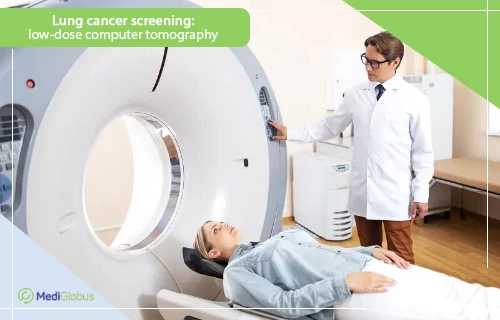
Lung cancer screening is a preventive exam designed to detect tumours in their early stages when the disease is not yet causing obvious symptoms. The American Cancer Society recommends the use of low-dose computed tomography for this purpose. This method can detect even the smallest changes in the lungs.
Low-dose CT is a medical imaging technique that produces detailed images of the lungs and other organs for early detection of disease with minimal radiation exposure to the patient. Low-dose CT is particularly effective for screening people at high risk of developing lung cancer.
Low-dose CT is significantly superior to fluoroscopy for lung cancer screening, as confirmed by scientists at the National Lung Screening Trial (NLST) and NELSON. They found that, unlike chest radiography, CT scanning has a higher sensitivity. It can detect even small abnormalities that might be missed on an X-ray.
Who should be screened and when?
The American Society of Clinical Oncology (ASCO) and the LUNGevity Foundation recommend annual lung cancer screening for people aged 50-80 years who smoke more than one packet of cigarettes a day and have smoked for about 20 years.
People who are not active smokers or have smoked in the past, as well as those who are exposed to harmful chemicals, live in polluted regions, or have a family history of lung cancer, are not on the American Cancer Society’s list of recommendations for mandatory annual screening. However, they should also keep a close eye on their lung health. If a person is concerned about something or wants to check their health, they should see a doctor. A specialist will assess and determine if a low-dose CT scan or other diagnostic methods are required.
Contact a MediGlobus specialist to make an appointment to see a doctor and get a check-up. Click on the button below, leave your phone number and wait for the coordinator to call you.
How is a low-dose CT scan performed?
Lung cancer screening with low-dose CT scanning is performed as follows:
During the procedure, the patient lies down on a table that slides into the opening of a large machine. This machine is called a CT scanner. As the table slides into the scanner, a device inside begins to rotate, sending many tiny X-rays at different angles. These beams pass through the body and are recorded on the opposite side of the scanner. A computer then processes the data and creates detailed images of the lungs.
The procedure is painless and takes only a few minutes. Preparation and laying on the table takes up to half an hour. You do not need to swallow contrast agents or have injections during the scan. Radiation exposure during a low-dose CT scan is significantly less than standard CT scans.
If abnormalities are found during screening, the doctor may recommend additional tests to clarify the diagnosis.
What’s important to know about lung cancer screening
Several nuances are important to consider when performing lung cancer screening with low-dose CT scans:
Diagnosis may reveal abnormalities that require additional investigations such as repeat CT scans or biopsies. In most cases, these abnormalities turn out not to be malignant. Nevertheless, the situation leads to unnecessary worry for patients and calls for additional procedures.
Low-dose CT may miss very small tumours or those that are hidden behind other structures in the chest.
Although radiation doses from low-dose CT are much lower than standard CT scans, repeated scans can lead to a buildup of radiation, potentially increasing the risk of developing other types of cancer in the future.
Waiting for test results can cause stress and anxiety for the patient.
Screening can only be done in facilities with the appropriate technology, which may require travelling to another city or even country.
It is ideal to decide to get screened together with your doctor. The doctor will review your medical history, identify potential risk factors and advise you whether you should be screened. The best solution is to see an experienced specialist at one of the clinics listed on MediGlobus. We can help you organise a face-to-face or online consultation with qualified international doctors who have up-to-date knowledge and experience in the diagnosis and treatment of lung cancer.
Interpretation of screening results and follow-up actions
Low-dose CT scans can detect pulmonary nodules. On images, they appear as small, light-coloured, rounded areas. However, these nodules may be associated not only with cancer but also with infections or inflammatory diseases. In most cases, the nodules detected turn out to be benign.
Depending on the screening results and the characteristics of the nodules, the National Comprehensive Cancer Network (NCCN) recommends the following actions:
If nodules are not found, the next examination is recommended after one year and annually thereafter.
If abnormal areas are found on the scans, additional tests may be ordered to better assess the condition of the body. Large nodules require more frequent monitoring. Nodules 5 mm or less in diameter are of least concern. Nodules with a dense and hard structure raise more concerns about cancer than soft nodules. Abnormalities in the upper lobes of the lungs have a higher risk of malignancy. Also, neoplasms that enlarge rapidly should receive increased attention.
If the characteristics of a nodule raise suspicion of cancer, a biopsy or surgical removal of the neoplasm may be required to examine it further. If lung cancer is found, further tests can help determine the stage of the disease and develop a treatment plan.
What examinations are required when lung cancer is suspected
The following types of diagnostics are used when lung cancer is suspected:
Chest X-ray | One of the most common methods of primary diagnosis. Allows detection of large tumours, but may miss small masses. |
Bronchoscopy | A medical procedure that uses a thin, flexible, tubular instrument called a bronchoscope to examine the airways and lungs to diagnose and treat various respiratory diseases. |
Computed tomography | Computed tomography is the most informative method that provides detailed images of the lungs. CT helps to determine the size of the tumour, its localisation and its spread to lymph nodes. |
Magnetic resonance imaging | MRI is used to assess tumour spread to the brain, spinal cord and liver. |
Positron emission tomography | PET-CT is a combined method to assess the metabolic activity of the tumour and detect distant metastases. |
Biopsy | This is the taking of a tissue sample for examination using a microscope. Biopsy is performed by several methods, depending on the characteristics of the tumour. |
Thoracocentesis | A puncture of the pleural cavity to take fluid for analysis. |
Mediastinoscopy | A surgical procedure to examine and take tissue samples from the mediastinum (the space between the lungs). It is performed using endoscopic equipment. |
Oncomarker blood test | Determination of the levels of specific substances that may be elevated in lung cancer. |
Where to have a preventive lung examination




Summary
One of the most frequent and dangerous cancers in the world is lung cancer. Early diagnosis allows the disease to be detected in its initial stages. Timely treatment significantly improves the prognosis and increases the chances of recovery.
The prognosis of lung cancer at early detection is better than at later stages of the disease. In stage IA, the 5-year survival rate exceeds 90%, while in stage IV it is less than 10%.
Lung cancer screening is a preventive examination designed to detect tumours at early stages when the disease does not yet show obvious symptoms. Low-dose computed tomography is used abroad. The method allows you to detect even small changes in the lungs. Low-dose CT is more effective than fluoroscopy and provides more accurate detection of small tumours, which significantly increases the chances of successful treatment.
The American Society of Clinical Oncology and the LUNGevity Foundation recommend annual lung cancer screening for people aged 50-80 years who smoke more than one packet of cigarettes a day and have smoked for more than 20 years.
A low-dose CT scan is a painless procedure. It takes only a few minutes, with significantly less radiation exposure compared to a standard CT scan. If the screening reveals abnormalities, the doctor may order additional tests for a more accurate diagnosis.
The results of screening with low-dose computed tomography may show the presence of pulmonary nodules. These can be associated not only with cancer, but also with infections or inflammatory diseases, and in most cases appear benign. Depending on the size and characteristics of the nodules, further investigations such as repeat CT, MRI, PET-CT, and biopsy may be required for more accurate evaluation and further follow-up.
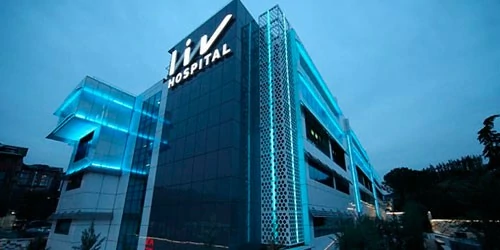
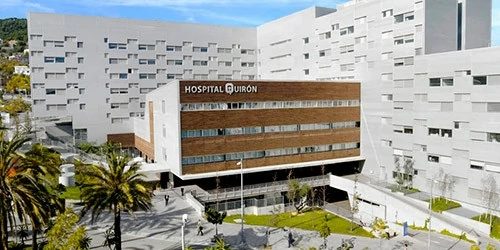
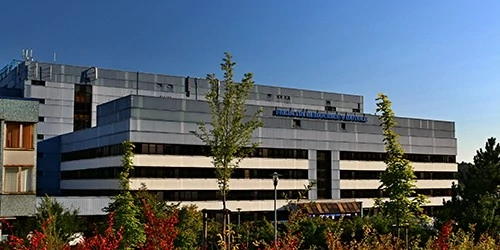
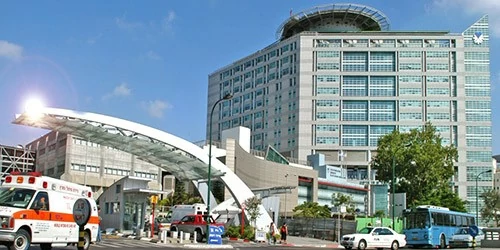
Screening examinations for lung cancer are offered in clinics in Turkey, Spain, the Czech Republic, and Israel.
To prevent lung cancer in time, it is important to undergo regular check-ups. MediGlobus offers the opportunity to undergo a complete screening examination in certified clinics with modern equipment. Contact us to get qualified medical assistance and recommendations from leading doctors.
Sources:
- 1. World Cancer Research Fund International: Lung cancer statistics
- 2. LUNGevity Foundation: Screening & Early Detection
- 3. American Cancer Society: Guidelines for the Early Detection of Cancer
- 4. Radiological Society of North America: Lung Cancer Screening
- 5. American Cancer Society: Can Lung Cancer Be Found Early?
- 6. American Cancer Society: Signs and Symptoms of Lung Cancer
- 7. American Cancer Society: Tests for Lung Cancer
- 8. Cancer Research UK: Why is early cancer diagnosis important?
- 9. Ning J, Ge T, Jiang M, Jia K, Wang L, Li W, Chen B, Liu Y, Wang H, Zhao S, He Y. Early diagnosis of lung cancer: which is the optimal choice?. Aging (Albany NY). 2021 Feb 11; 13:6214-6227