


Despite global advances in the treatment of cancer, it remains the leading cause of death in people under 70 years of age in 60% of the world’s countries. Several factors contribute to these statistics, one of which is resistance to standard forms of treatment. The more readily available cancer therapies, primarily surgery and chemotherapy, are often ineffective in treating tumours that have developed resistance to them. Several approaches have been developed abroad to combat this problem. We will tell you more about them in our article.
What is important to understand about cancer resistance?

Cancer resistance is when a tumour stops responding to a treatment that normally fights the cancer effectively. Resistance is most often talked about in the context of chemotherapy, but it is important to realise that it can occur with any treatment. Cancer can be resistant at the time of diagnosis, but usually, the condition is developed during treatment.
Why does it happen? Cancer is formed from human cells, and just like them, it can adapt to its environment. Several rather complex mechanisms are at play simultaneously in resistance formation, making it difficult for doctors to find a solution to the problem.
Similarly, cancer can have resistance to radiation therapy, which is called radioresistance.
Here are some of the most common factors that contribute to the development of resistance of a malignant tumour to chemotherapy or radiation therapy:
 Tumour heterogeneity. Usually, a tumour is made up of several different types of cells. When they come into contact with drugs, some cells die off, while others, that are initially immune to the drug, can continue to divide unhindered. In practice, it will look as if the tumour started to shrink at the beginning of treatment, but after a while, it started to grow again.
Mutation of tumour genes under the influence of chemotherapy, making them resistant to the drugs.
Gene amplification – increased production of copies of a particular gene that can produce a protein that deactivates anti-tumour drugs.
DNA repair of cancer cells.
Migration of cancer cells to so-called “sanctuaries”– areas of the body that systemic chemotherapy does not reach. These include, for example, the brain, peritoneum and testicles.
Some tumours can “pump out” drugs out of the cells.
Cancer stem cells can self-renew and differentiate into other types of cancer cells.
Cancer cells can reduce blood flow to the tumour, thereby reducing the portion of the incoming drug.
The risk of developing cancer resistance differs depending on the type of cancer, the stage of the disease and the treatment strategy used, but what remains constant is its presence. The most modern approaches in medicine are aimed at both combating this complication and preventing its development.
The most effective method of preventing the development of resistant cancer is to detect the disease at its earliest stage – stage zero, also known as in situ. According to the American Association of Oncologists, 99% of patients whose cancer is detected at this stage are completely cured; and for some cancers, such as prostate cancer, the rate is as high as 100%. In addition, the methods used to treat stage zero cancer are the gentlest. However, the only way to catch cancer at its very beginning is to perform regular check-ups. The disease is asymptomatic at this stage, and often outdated medical equipment is not accurate enough to detect such a small tumour.
 Doctors have identified a pattern: slow-growing tumours are more likely to develop resistance to treatment and require a more flexible approach on the part of the oncologist. In contrast, aggressive fast-growing tumours, which are often associated with a worse prognosis, are usually vulnerable to the most standard chemotherapy protocols.
Make an appointment for a cancer check-up
Write to our medical coordinators and they will help you find the most suitable check-up package for your needs at trusted foreign clinics, and organise your trip as soon as possible.
How do oncologists fight resistant forms of cancer?
One of the first methods that were used to prevent the development of resistant cancers was polychemotherapy. These are chemotherapy protocols that recommend the use of specific combinations of drugs for different tumour types/age groups/stages of disease, etc. The principle behind the effectiveness of this approach is that each protocol includes drugs with different mechanisms of action. Simultaneously attacking the tumour from multiple angles increases the chance that the treatment will be effective and eventually, there will be no resistant residue. In addition, when drugs with different actions are combined, each can be used at the optimal dose without severe side effects.
Another approach that is often used in foreign cancer centres is short courses of intensive doses of chemotherapy. The logic behind the approach is to kill the cancer quickly without giving it time to develop resistance. Combined with growth factor therapy, which is important for protecting the bone marrow from the harmful effects of chemotherapy, this method is quite effective in improving the survival rate of cancer patients, while preventing the risk of recurrence. However, this treatment is not suitable for all cancer patients – doctors take into account factors such as the patient’s general condition (whether he or she can tolerate intensive chemotherapy) and carefully weigh the possible risks against the benefits.
Sometimes, if intravenous chemotherapy does not have enough effect, doctors may inject it directly closer to the tumour. This is possible in some types of cancer, such as liver cancer – the catheter is attached to the liver vessels, so the dose of the drug is more concentrated and there is less contact of healthy organs with the chemo (which reduces side effects). Another option for this treatment is HIPEC chemotherapy, which is usually given at the same time as surgery to remove tumours of the bowel, pancreas, metastases, etc. During this treatment, the drug is heated to 42°C, which makes it more active, and injected into the abdomen for about an hour and a half.
 Read:
Read: If a tumour has developed resistance to one drug, it will likely resist other drugs as well. This is why the right choice of treatment is important from the outset. By consulting experienced oncologists who use the latest oncotherapy techniques and protocols, you will maximise your chance of recovery.
In modern cancer centres, the approach to treatment is more in-depth than just selecting drugs according to international protocols. Firstly, a team of doctors is always involved in the treatment of the disease, each of whom is an expert in his or her speciality. Secondly, precision medicine is practised – the choice of treatment approach based on a thorough diagnosis. When it comes to resistant forms of cancer, this may consist of the following:

Extensive diagnosis of the patient before treatment, important components of which are immunohistochemistry and genetic diagnosis – studying the structure of the tumour at the cellular level, which helps doctors to know its ‘weak spots’ on which to target therapeutic efforts.
The use of advanced drugs such as targeted therapy and immunotherapy, as well as other adjuvant drugs that can enhance the accuracy and effectiveness of the main course of treatment.
Adaptive monitoring of the course of treatment, allowing the doctors to respond quickly to any changes in the cancer (in terms of cancer marker levels, etc.) and adjust therapy accordingly.
Bone marrow transplantation
When patients go to a foreign clinic to treat cancer that has already developed resistance to certain treatments, the most common treatment is autologous bone marrow transplantation (ABM). This allows the highest possible doses of drugs to be used to fight the tumour, which is more likely to destroy the disease.
One of the main limiting factors when choosing the dose of chemotherapy in standard treatment protocols is the side effects, the most important of which is myelosuppression, a condition in which the bone marrow stops producing vital blood cells. However, TCM bypasses this limitation.
The essence of the procedure is that before starting chemotherapy, stem cells are collected from the patient’s blood and stored in a laboratory. After that, an intensive course of chemotherapy is carried out, which together with the tumour destroys the bone marrow. Once this is completed, the patient is placed in a sterile room, and in parallel with the supportive therapy, the stored stem cells are injected, which will restore his/her bone marrow.
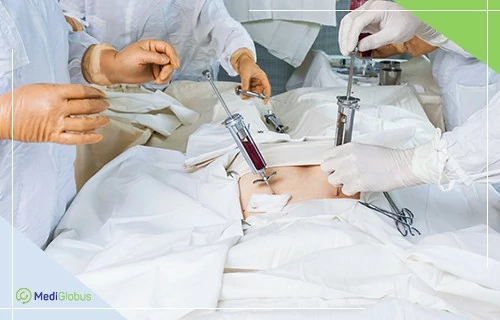
Unlike bone marrow transplants for lymphoma and leukaemia, the patient with resistant cancer can usually be his/her donor. This greatly reduces the time and effort that goes into finding a suitable donor; as well as the cost of the procedure itself.
Targeted therapy and immunotherapy
Targeted and immune therapies are among the most powerful breakthroughs in oncology in recent decades. They have been able to significantly improve patient survival in many different cancer diagnoses. These drugs represent a precision approach in oncology that involves targeting cancer cells while minimising damage to healthy tissue. Targeted therapies are about recognising target proteins on the surface of tumour cells, while immunotherapies are about activating the immune system to fight cancer on its own.
Often new drugs are created specifically to treat late-stage and relapsed cancers, or to target specific cancer self-protection mechanisms. Precision medicine shows results where conventional protocols have stopped working. In addition, while resistance to targeted therapies and immunotherapies can still occur, it is detected much less frequently than during chemotherapy/radiation therapy treatment.
Examples of cancer drugs include the common anti-CTLA and anti-PD-1/PD-L1 drugs that exhibit antitumour activity by dysfunction of negative regulators of the anti-cancer adaptive immune system. Such active substances are present in many different targeting drugs used to treat various diagnoses – melanoma, non-small cell lung cancer, pleural mesothelioma, renal cell carcinoma, hepatocellular carcinoma, etc.
Another popular immunotherapy technique used to treat resistant forms of cancer is checkpoint blockade immunotherapy. These drugs block proteins secreted by the tumour, which it uses to ‘hide’ from the immune system by pretending to be normal tissue. This group of drugs can also be prescribed for a wide range of cancers, including bladder, breast, head and neck tumours, etc.
One of the innovative treatments for resistant cancer is DNA-PKcs inhibitors. They affect one of the self-protection mechanisms of cancer cells, more specifically a special enzyme that slows down the unfolding of DNA, protecting it from external destruction. Studies show that, for example, in patients with BRCA2-deficient breast cancer who have developed resistance to chemotherapy, the concurrent use of this drug has allowed the tumour to regain sensitivity to it.
Some clinics also use drugs called antibody-drug conjugates (ADCs). Their chemical structure is a monoclonal antibody (an artificial protein identical to a human protein that has an immune function) to which a drug molecule is attached. Due to the natural ability of antibodies to find and attach to specific proteins on the surface of cells, these drugs are used to deliver chemotherapy directly inside cancer cells.
Dealing with all the nuances of medical tourism is a daunting task, especially during such a difficult stage of life when you or your loved ones are being diagnosed with cancer. Fortunately, you don’t have to do this alone. Our coordinating doctors will be happy to help you. We will advise you free of charge on all the nuances of treatment abroad, and help you find an experienced and professional doctor you can trust with your health. Just click the button below, fill in the form and wait for our call.
New in cancer research
A team of doctors from Northwestern University and the University of Pennsylvania have created a model for studying the development of cancer resistance, which they have dubbed the ‘QR code for cancer cells’. They revealed that it is impossible to accurately predict whether a particular cell will develop cancer resistance, as a cell’s interaction with chemo carries a randomness factor. However, taking a course of drugs called HDAC inhibitors can restore a tumour’s sensitivity to treatment, which was confirmed during a study into the effectiveness of this drug in treating neuroblastoma.
Where to go for treatment of resistant cancer?
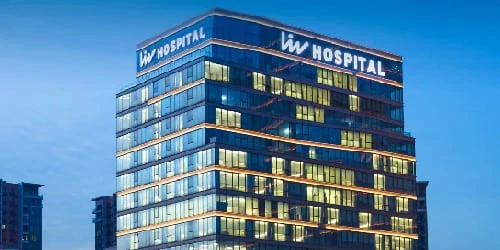
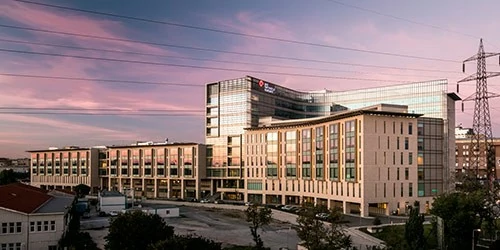
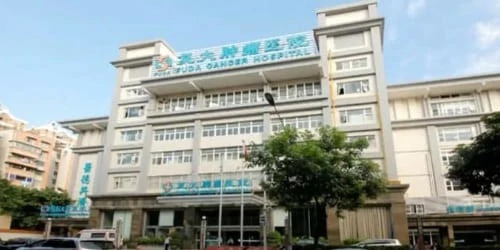
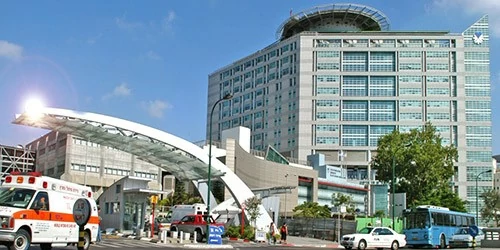
Treating cancer after it has developed resistance is a complex task. Therefore, the coordinators of the international MediGlobus platform recommend specialised oncology centres or strong oncology departments of multidisciplinary clinics. In the case of bone marrow transplantation, it is important to pay attention to the availability of an oncohematology department and the quality of equipment in it – not all clinics perform such a complex procedure, and sometimes only adults or only children are accepted for treatment. The price also plays an important role for patients – the range of treatment costs is large and will differ significantly between countries. Among the most economical in this matter, we could recommend some clinics in Turkey and China. Our top recommendations include:


Summary
Cancer resistance is a common problem that occurs when a tumour stops responding to treatment. Most commonly, resistance develops in response to treatment with chemotherapy or radiotherapy. The mechanisms for the development of this phenomenon are various and not fully understood, creating additional treatment challenges.
There are several approaches to combat cancer resistance. The most effective method is preventive, which consists of regular check-ups so that when cancer is detected, it is detected at the earliest stage (null, or in situ). The chance of recovery in such cases is 99%.
Resistant cancer is also fought with combination chemotherapy, short-term high-dose chemotherapy, bone marrow transplantation, targeted therapy, immunotherapy, and several other medical innovations. The experience of the oncologist carrying out the treatment plays a major role, as well as carefully conducted diagnostics, based on which it is possible to select a personalised treatment.
Hospitals that boast strong and innovative oncology departments include Liv Vadistanbul, University Hospital Koç (Turkey), University Hospital Navarra (Spain), Vienna Private Clinic (Austria), Ichilov (Israel), and Fuda (China).

Sources:
- 1. Nature: A view on drug resistance in cancer
- 2. Cell Communication and Signaling: Unveiling the mechanisms and challenges of cancer drug resistance
- 3. MedComm: Understanding and targeting resistance mechanisms in cancer
- 4. National Cancer Institute: Why Do Cancer Treatments Stop Working? Overcoming Treatment Resistance
- 5. Northwestern: Why do some cells become resistant to anti-cancer therapies?
- 6. Cornell Chronicle: Discovery explains cancer chemotherapy resistance, offers solution
- 7. Medical News Today: Why some cancer tumors can become resistant to chemotherapy
- 8. Microbial Crosstalk with Immune System: Missing rungs in cancer therapeutics and strategies to climb them
- 9. National Breast Cancer Center
- 10. The American Journal of Medicine: High-dose combined-modality therapy and autologous bone marrow transplantation in resistant cancer