


1. What is mesothelioma? |
2. Disease diagnostics |
3. Methods of oncotherapy |
4. The prognosis for treatment of the disease |
5. Leading clinics |
Mesothelioma is a malignant tumour of a thin tissue layer (mesothelium) that covers many internal organs. It most often affects the pleura and peritoneum. These areas account for about 94% of all cases of the disease. In extremely rare cases, the neoplasm is found in the pericardium or the serous membrane of the testis. The earlier the disease is detected, the better the chances of survival. Read about the methods used to detect and treat mesothelioma abroad, and about the effectiveness of treatment in this article by the international medical platform MediGlobus.

Listen to the article:
What is mesothelioma?
Mesothelioma is a rare tumour that is usually caused by contact with carcinogenic substances, especially asbestos. The neoplasm can consist of different cell types. Predominantly they are divided into:
 Epithelioid mesothelioma – occurs in the epithelial tissue. This is the most common type of disease. These tumours are usually localised in the mucosa of the lungs, abdomen or heart. When treated, patients have an average life expectancy of 1-2 years.
Sarcomatoid mesothelioma is the most difficult type of cancer to treat. It rapidly metastasises to distant organs and systems. The average life expectancy of patients is 6 months. The tumour accounts for approximately 10% of all mesotheliomas.
Biphasic mesothelioma is also known as mixed mesothelioma. This type of cancer accounts for about 20% of all cases. The tumours are a mixture of epithelioid and sarcomatoid cells. Symptoms, treatment, and prognosis vary according to which of the 2 cell types is dominant. Biphasic mesothelioma primarily occurs in the pleura or peritoneum. Rarely, the pericardium or testicular mucosa is affected. The average life expectancy of patients with these tumours is 12 months.
The symptoms of mesothelioma depend on the location of the tumour. If the peritoneum is affected, the abdomen enlarges and causes pain, nausea and vomiting. If the tumour is in the lungs, patients complain of shortness of breath, coughing, difficulty in breathing and pain behind the chest. Weight loss, constant fatigue and fever may also occur.
What diagnostic methods are used to detect mesothelioma?
Signs of mesothelioma develop slowly, so patients often postpone a visit to the doctor, making early diagnosis difficult. Approximately 80% of affected people seek medical attention on stage 3 or 4. The choice of diagnostic methods depends on the location of the tumour.

The diagnosis gets confirmed by a biopsy. This is a procedure that involves acquiring a tissue sample for examination under a microscope. The method provides accurate information about the type of cells and helps to choose a treatment programme and predict the results of therapy. The technique and method of biopsy differ for various types of mesothelioma. For example, in the case of lung lesions, doctors perform:
Pleurocentesis – extraction of pleural fluid using a needle,
VATS video thoracoscopy – a sample of abnormal cells taken using a laparoscopic technique through 1-3 punctures,
Open biopsy.
Other examinations, such as a CT scan, MRI, chest X-ray or abdominal ultrasound, can determine the location and size of the mesothelioma, as well as the extent of its spread in the body. Based on the results of these examinations, the doctor may prescribe additional diagnostic methods that are more specific for a particular tumour. These include:
Ventilation-perfusion scintigraphy – makes it possible to assess the level of lung function,
ECG to assess the blood supply to the heart muscle,
Cytological examination of the pleural effusion.
To undergo mesothelioma diagnostics abroad, leave an application on our website. Click on the button below and fill in the feedback form. We will find a clinic for you and help with organising your medical trip.
How is mesothelioma treated abroad?
As mesothelioma is predominantly diagnosed at an advanced stage, treatment is usually aimed at controlling symptoms and prolonging life as much as possible. One of the main approaches used abroad is multimodal therapy – combining several methods to fight oncology. Possible treatment options include:
Chemotherapy is the main way of dealing with mesothelioma. It involves the use of drugs to shrink the tumour and treat the symptoms. Two or more medicines are often used to achieve these goals.
Radiation therapy – the use of high-energy radiation to kill cancer cells, particularly mesothelioma metastases of the pleura and peritoneum. It is usually used to slow down and control the growth of cancer.
Surgery to remove the neoplasm is performed if the mesothelioma is detected at an early stage. It is also possible to resect part of the tumour to lessen the symptoms. The surgical technique can be open or minimally invasive. Because of its low trauma and minimal risk of side effects, the second option is preferred.

Together with traditional oncotherapy, treatment of pleural mesothelioma involves the use of innovative technologies. At the end of 2020, the Food and Drug Administration (FDA) approved the drug combination of Nivolumab with Ipilimumab for first-line treatment in adults with tumours that cannot be removed surgically. These drugs are monoclonal antibodies. Their combination slows down tumour growth and prolongs survival by 6 months or longer.
Hyperthermic intrathoracic chemotherapy (HITOC) is also used to fight such neoplasms. It is combined with surgery. After resection of the maximum volume of cancerous cells, drugs heated to 40-48 °C are injected into the pleural cavity. They circulate in the body for about 1-2 hours and then are drained. This method of oncotherapy destroys residual cancer cells.
Cytoreductive surgery and intra-abdominal hyperthermic chemotherapy (HIPEC) are used to treat peritoneal mesothelioma abroad. The procedure is similar to hyperthermic intrathoracic chemotherapy. However, it involves injecting high doses of chemicals into the abdomen.
You can book an appointment for mesothelioma treatment abroad on the MediGlobus website. Our coordinating doctors will help you to choose the most suitable clinic and qualified specialists.
Survival prognosis for mesothelioma
The average life expectancy of patients from the time of diagnosis is 18-31 months. However, this varies depending on the location and characteristics of the neoplasm, as well as treatment methods and the patient’s health status. With comprehensive treatment of the disease, the chances may improve. Some patients can outlive their prognosis by months or even years.
About 7,5% of patients with mesothelioma cross the 5-year survival threshold. The prognosis is better in young people with early stages of the disease and epithelioid tumours.
The overall survival rate for peritoneal mesothelioma is 2,5-3 years. With combined cytoreductive surgery (CRS), intraoperative hyperthermic chemotherapy (HIPEC) and complete removal of the tumour, patients live an average of 6-7 years. If all the cancer cells are not eliminated, the life expectancy is reduced to 2 years.
The prognosis for pleural mesothelioma is notionally favourable. It depends on the stage of the pathology and the type of cancer cells. The average survival rate of patients is 8-12 months.
Where is mesothelioma treated abroad?
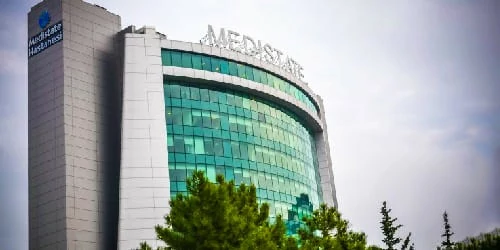
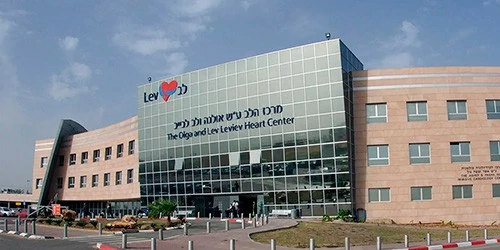
The leading destinations for mesothelioma abroad are considered to be Turkey, Spain, Israel and Germany. The following medical centres are most in demand:




Resume
Mesothelioma is a rare and aggressive cancer. These tumours affect the mucous membranes of certain internal organs. The mucosa of the lungs and abdomen are the favoured sites for the formation of these tumours. Less commonly, mesotheliomas affect the inner lining of the testicles or the heart.
Most cases of this cancer are diagnosed at stage 3 or 4. The main method of detection is biopsy followed by immunohistochemistry. In addition, ultrasound, X-rays, CT, MRI or PET scans and laboratory tests are used.
In 90% of cases, the main aim of mesothelioma treatment is to eliminate the symptoms of the disease and prolong the patient’s life. In the initial stages of the disease, the tumour is resected along with the affected tissue. Patients are also treated with chemotherapy, radiation, immunotherapy or targeted therapy. Intraperitoneal or intrathoracic hyperthermic chemotherapy may be administered.
The most popular destinations for mesothelioma treatment are Turkey, Spain, Israel and Germany. The leading hospitals in these countries in the field of oncology are considered to be: Koch, Medistate, Medicina, Liv, Teknon, Shiba and Uniclinik Munich.
To arrange treatment for mesothelioma abroad as quickly as possible, please contact our coordinators. Fill in the form below and await feedback.
Sources: