


1. Types of non-small cell lung cancer |
2. Options for managing the disease |
3. Treatment innovations |
4. Survival prognosis |
5. Leading clinics for NSCLC treatment |
Non-small cell lung cancer (NSCLC) is the most common type of oncology of this organ. According to statistics published in the peer-reviewed scientific journal Scientific Reports, it accounts for about 85% of all lung cancers. The disease has a slower onset than the small-cell type cancer. However, many patients will have metastases in other organs and systems by the time they are diagnosed. This is because in the early stages of progression, NSCLC may have non-specific symptoms or no symptoms at all. This is the reason why the prognosis for survival with non-small cell lung cancer is conditionally unfavourable. However, modern treatment methods make it possible to increase the treatment success rate. Find out more about how NSCLC is treated and the chances of survival for patients abroad in our article.

Listen to the article:
Classification of non-small cell lung cancer
According to the World Health Organisation and the International Association for the Study of Lung Cancer (IASLC), non-small cell lung cancer is divided into several types. Approximately 40% of patients are diagnosed with adenocarcinoma. This is a malignant tumour that develops from glandular epithelial cells. Non-small cell adenocarcinoma of the lung also has several subtypes (mucinous adenocarcinoma, signet ring adenocarcinoma, clear cell adenocarcinoma, well-differentiated foetal adenocarcinoma).
Squamous cell lung cancer is diagnosed somewhat less frequently, in 25% of cases. These tumours are most commonly associated with smoking. They arise in the bronchopulmonary system, most commonly in the large bronchi, from squamous epithelial cells.
Lung large cell carcinoma is even rarer – about 10% of lung cancers. It has a more aggressive course than other types of NSCLC. Patients with these tumours are more likely to go to the doctor with unproductive coughs and weight loss.
For more information on non-small cell lung malignancies and treatment options abroad, contact the coordinating physicians at MediGlobus International Medical Platform. Click on the button below and fill in the feedback form.
What treatments are available for non-small cell lung cancer abroad?
Treatment for non-small cell lung cancer varies according to many factors, the key ones being the degree of progression of the disease, the type and location of the tumour, the patient’s general health, etc. Surgery is considered to be potentially the most effective option in controlling the disease. The patient may undergo a lobectomy (removal of a lobe of the lung) or a segmental, wedge or sleeve resection.
Pre- or postoperative chemotherapy and/or radiation may also improve the prognosis. In the advanced stages of the pathology, patients are also treated with immune or targeted therapies.
The following treatments are recommended for patients with NSCLC according to their stage of progression:
| Staging of non-small cell lung cancer | Treatment options |
|---|---|
| Stage 0 (carcinoma “in situ”) | Surgery (segmentectomy or wedge resection); endobronchial therapy, which includes electrocoagulation, photodynamic therapy, cryo- or laser therapy. |
| Stage 1 | Surgery; adjuvant therapy (chemotherapy and/or radiation after surgery to prevent recurrence or kill residual cancer cells); radiotherapy or radiosurgery. |
| Stage 2 | Surgery with or without adjuvant or neoadjuvant therapy, and radiotherapy (as an independent treatment for inoperable patients). |
| Stage 3 | Surgery with or without neoadjuvant or adjuvant therapy; chemoradiotherapy followed by surgery; sequential or concurrent chemotherapy and radiation; surgery and radiation therapy; radiotherapy (for inoperable tumours); immunotherapy. |
| Stage 4 | Combination of chemotherapy, radiotherapy, immunotherapy and targeted therapy; clinical trials of new methods. |
 Read:
Read: Innovations in NSCLC treatment abroad

A new therapy is being developed to treat non-small-cell lung cancer, particularly late-stage lung cancer that has a mutation in the PTEN gene and does not respond to radiation.
According to the News Medical Life Sciences website, a research team at the University Hospital of Würzburg is testing two experimental inhibitors that can block the DNA repair enzyme in cancer cells and thereby increase the tumour’s susceptibility to radiotherapy.
According to Dr Markus Diefenbacher from the University of Würzburg Biocenter, the innovative inhibitors are not yet approved for use in humans, but are undergoing clinical trials and showing encouraging results.
Radiation therapy is still considered one of the main treatments for late-stage NMSR. If the new inhibitors pass clinical trials, then patients with a mutation in the PTEN gene, which indicates tumour resistance to radiation, will be able to undergo radiotherapy and achieve the desired therapeutic outcome.
Survival prognosis for non-small cell lung cancer
Lung cancer is one of the deadliest types of cancer. According to the American Cancer Society, the overall five-year survival rate for non-small cell lung cancer is only about 23%. Survival prognosis for non-small cell lung cancer is determined by the stage and type of the disease, as well as the treatment, general health and age of patients. Patients under the age of 50 have a better chance of treatment success than people over 65. At the same time, surgery at the initial stages gives higher remission rates.
If the tumour is localised, a survival rate of 5 years is achieved in about 60% of patients. If the malignant cells have spread to the lymph nodes and/or neighbouring tissues, the survival rate drops to under 33%. In advanced stages, the prognosis is poor. No more than 6% of people with stage 4 NSCLC can achieve a 5-year survival threshold.
According to data published in the scientific journal Radiotherapy & Oncology, radiation therapy in combination with chemotherapy or immunotherapy improves the overall survival of lung cancer patients compared to using chemotherapy or immunotherapy alone.
According to the National Library of Medicine website, surgical resection is the best treatment option for early-stage NSCLC, with a 5-year overall survival rate of 36-73%.
The relative 5-year survival rate of patients with stage I non-small lung cancer who have undergone complete surgical resection is approximately 73-58%. In the second stage of the disease, it is 54-36%.
According to National Cancer Institute statistics, in stage 3 non-small cell lung cancer, about 33% to 13% of patients who have received comprehensive treatment cross the 5-year survival threshold.
According to the Surveillance, Epidemiology and End Results Programme (SEER) data published by the National Library of Medicine, the survival rate at stage 4 of non-small cell lung cancer was highest in patients with bronchioloalveolar adenocarcinoma (1-year survival rate: 29,1%) and lowest in those with large cell tumours (1-year survival rate: 12,8%)
Where can non-small cell lung cancer be treated abroad?
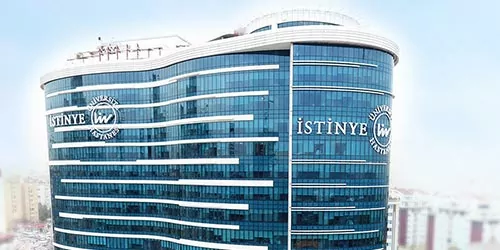
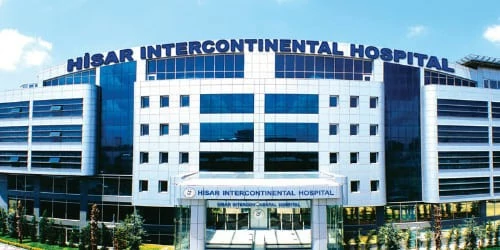
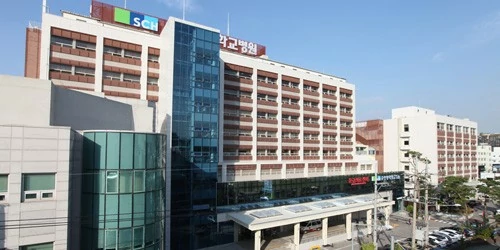
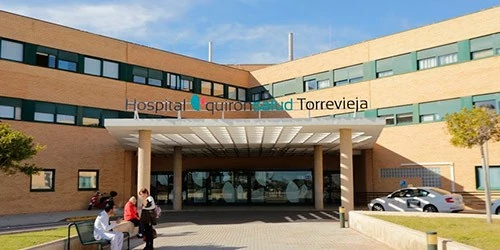
To treat NSCLC abroad, patients often go to specialised and large general hospitals in Turkey, Spain, Austria, South Korea and other medically advanced countries. Leaders in this field are:


Summary
 Non-small cell lung cancer is the most common type of cancer of this organ. It accounts for 85% of cases of malignant lung tumours. NSCLC is divided into several subtypes: adenocarcinomas, squamous cell tumours, large cell cancer and mixed types.
The choice of treatment for non-small cell lung cancer depends on the stage of the malignancy, the presence and location of metastases, the size, location and type of tumour, as well as the age and general state of health of the patient. Surgery offers the best chance of survival in the early stages of the disease. It may be combined with chemotherapy and/or radiation. Treatment with immune or targeted drugs may be recommended for patients in more advanced stages.
The overall 5-year survival rate for NSCLC is only 23%. In the initial stages of the disease, about 60% of patients pass the 5-year survival threshold. If the tumour has spread to neighbouring tissues, this figure does not exceed 33%. If non-small cell lung cancer has distant metastases, the 5-year survival rate is around 6%.
For treatment of NSCLC, patients are most often admitted to Turkish, Spanish, Austrian and South Korean clinics. Among the hospitals in these countries, Liv İstinyeHospital, Hisar Clinic, SoonChunHyang Hospital, Teknon Medical Centre, Quiron Torrevieja University Hospital and the Vienna Private Hospital are worth mentioning.
To arrange treatment for non-small cell lung cancer abroad, please contact the specialists at MediGlobus. Our coordinators will help you to find a clinic that best suits your needs and a doctor who is competent in your matter.