


1. Symptoms of lung adenocarcinoma |
2. Lung adenocarcinoma diagnostics |
3. Treatment of lung adenocarcinoma |
4. Lung adenocarcinoma prognosis |
5. Where to treat lung adenocarcinoma abroad? |
Lung cancer remains the 2nd most common oncology in the world, and adenocarcinoma is its most common subtype. Successful treatment of the disease depends considerably on the possibility of surgical treatment. In other cases, the patient’s chances are increased by the use of chemotherapy, radiation therapy, targeted therapy, and immunotherapy.
Read more about how lung adenocarcinoma is treated abroad in our article.

Listen to the article:
Symptoms of lung adenocarcinoma
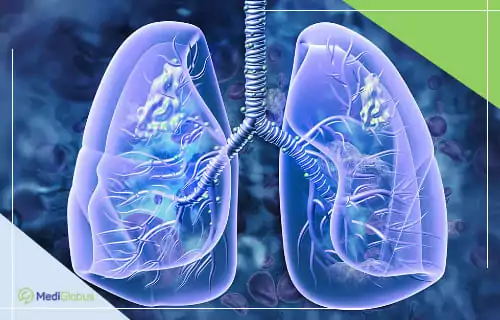
Adenocarcinoma is the most common form of lung cancer. It occurs in 40% of patients with this diagnosis. Tumours start growing from the alveoli and spread throughout the lung and other organs. Adenocarcinoma is less aggressive and slower growing than small cell lung cancer. However, because the tumour is rarely detected in its early stages due to lack of symptoms, the mortality rate remains high.
The tumour is more common in young women than in other populations. The main risk factor for lung adenocarcinoma is smoking, but the disease often develops in nonsmokers as well. Exposure to industrial chemicals like radon, diesel exhausts, chromium, beryllium, nickel, soot, tar, asbestos, and arsenic contributes to the disease. Risk factors also include the human immunodeficiency virus (HIV) and taking beta-carotene supplements.
Adenocarcinoma of the lung is divided into four subtypes:
 Adenocarcinoma in situ (AIS) forms in the bronchioles or alveoli and does not tend to spread beyond the primary focus. In cases where the tumour is surgically removed, the five-year survival rate of patients is 100%.
Minimally invasive adenocarcinoma (MIA) is a tumour less than 3 cm and does not tend to spread into nearby tissue. Successful surgery can cure cancer in 98% of cases.
Invasive mucinous adenocarcinoma is a subtype of tumour that easily invades organ tissue and is prone to metastasis. The appearance of the neoplasm may vary considerably from one patient to another. The cells of this cancer subtype secrete mucin.
Lepidine-dominant adenocarcinoma is a lung tumour more than 3 cm in diameter, with a tendency to invade nearby tissues. The survival rate of patients, depending on the histologic subtype of cancer, ranges from 54% to 90% if resection is successful.
Lung adenocarcinoma spreads to the pleura, diaphragm, pericardium, bronchi, mediastinum, great vessels, trachea, oesophagus, spinal column, lymph nodes, or adjacent lung. Distant metastases of lung adenocarcinoma form in the brain, bones, or liver.
In its early stages, the disease is often asymptomatic, so doctors may not be able to detect the tumour in time. That is why it is important for people who are at risk of developing cancer (especially smokers and relatives of cancer survivors) to have regular check-ups. They can detect lung cancer before it begins to show its first signs. Among the symptoms of adenocarcinoma of the lung are:
Persistent cough, sometimes with bloody discharge,
“Whistling” breathing,
Hoarse voice,
Shortness of breath,
Difficulty breathing or swallowing,
Chest pain,
Swelling of the face and neck,
Fatigue,
Weight Loss.
Diagnosis of lung cancer abroad
Lung adenocarcinoma may look similar to other respiratory diseases, and in its early stages may be difficult to detect on scans. See an experienced oncologist to make sure the diagnosis is correct. MediGlobus can recommend quality international specialists for any financial range. To schedule a consultation, leave a request online.
Diagnosis of adenocarcinoma of the lung
Chest X-Ray/MRI/CT/PET | With imaging, doctors can detect lung neoplasms. Adenocarcinoma of the lung is usually found in the periphery of the organ, in foci of chronic inflammation, or at sites of scarring. |
Biopsy | This is a procedure for taking a small sample of adenocarcinoma tissue for further analysis in a laboratory. Depending on the results of other tests, a biopsy can be performed in different ways: fine-needle aspiration, bronchoscopy, thoracoscopy, or mediastinoscopy. A lymph node biopsy may also be indicated. More invasive interventions are performed under anaesthesia. |
Sputum Cytology | For this test, the patient will need to provide mucus secreted during coughing. The sample is examined by a pathologist using a microscope for the presence of cancer cells. |
Laboratory blood tests | Blood tests are done to check the general health of the patient. First and foremost, this test checks whether it will be safe to perform the surgery. |
Thoracentesis | Using a thin needle, the doctor takes a sample of fluid from the space between the lungs and chest. It is then tested for the presence of cancer cells. |
Analysis of cancer markers | Cancer markers indicate the presence of cancer in the body. They are measured during treatment to monitor how the body responds to medications. Elevated levels of cancer markers can also indicate a recurrence of the disease. For lung adenocarcinoma, the cancer markers commonly measured are REA, CYFRA CA 21-1, and NSE. |
Lung function test | This is a painless, non-invasive test that measures the volume, capacity, flow rate and gas exchange of the lungs. This test is always performed before a surgical procedure to check the possibility of lung resection. |
Treatment of lung adenocarcinoma by stage
Treatment for lung adenocarcinoma at 1,2,3a stages
The prognosis for treatment of stage 1 adenocarcinoma of the lung is the most optimistic. In most cases, it is possible to remove the tumour completely by surgery. Depending on its size and location, the doctor can perform different types of surgery:
Lobectomy – removal of a lobe of the lung where a tumour is found;
Circular resection – removal of a lobe of the lung along with the bronchi;
Segmentectomy – removal of a lung segment;
Cuneiform resection – removal of a lung tumour along with a small amount of surrounding tissue.
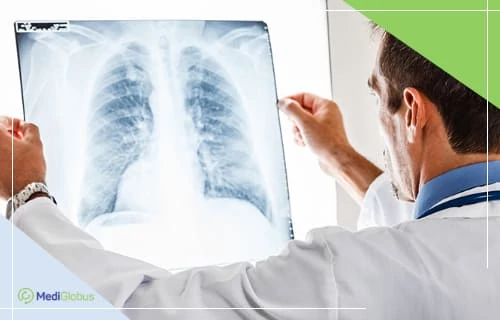
Usually, at stage 1, adenocarcinoma has not had time to affect nearby lymph nodes and organs, so surgery is enough to completely cure the disease. This means that the patient does not need to undergo chemotherapy.
If surgery is not possible, adenocarcinoma of the lung is treated with radiation therapy, sometimes together with adjuvant chemotherapy.
Some invasive tumours are treated with neoadjuvant radiochemotherapy followed by surgery.
Treatment for lung adenocarcinoma at stages 3b and 4

In stages 3 and 4 of lung adenocarcinoma, metastases are found in the body, and the main method of treatment is radiochemotherapy. In foreign clinics, all patients at this stage are prescribed tests for EGFR and ALK sensitizing mutations. This helps oncologists choose more effective chemotherapy drugs to treat cancer.
Chemotherapy is usually given intravenously, but the FDA has also approved several oral drugs. Treatment is given in cycles of 3 to 4 weeks, with pauses in between to allow the body to recover. The number of cycles is individual and depends on the patient’s condition and cancer’s response to chemotherapy.
For radiotherapy, doctors can use external radiation therapy (IMRT, TomoTherapy, etc.) or brachytherapy (placing radiation sources directly next to the tumour). You can read more about what kinds of radiation therapy exist and how they differ from each other in one of our previous articles.
In some cases, palliative treatment may be prescribed. These include:
Surgeries that are performed to open the airway;
Resection of metastases to reduce pain;
Medication therapy to control symptoms of the disease (pain, cough, lack of appetite, nausea);
Treatment by a physical therapist and psychotherapist.
Also, depending on the patient’s condition and the effectiveness of the main methods of cancer therapy, oncologists at foreign clinics may prescribe targeted therapy, immunotherapy or treatment with angiogenesis inhibitors. These are modern methods of fighting cancer, which are not always available in countries with less developed healthcare.
Targeted therapy for lung adenocarcinoma
Targeted therapies are specific anti-tumour drugs that can “distinguish” cancer cells from healthy cells, so they do not cause the same number of side effects as chemotherapy. For the treatment of adenocarcinoma of the lung, the FDA has approved eight drugs that target different mutations specific to this cancer.
Immunotherapy for lung adenocarcinoma
The FDA has approved four immunotherapy drugs to treat adenocarcinoma of the lung. They are called “checkpoint inhibitors”. They work by targeting and blocking the immune system’s fail-safe mechanisms. This helps the immune system better “see” cancer cells and destroy them.
Angiogenesis inhibitors in lung adenocarcinoma
Angiogenesis inhibitors are drugs that help stop or slow down the growth or spread of tumours by preventing them from making new blood vessels. As a result, tumours die or stop growing because they cannot get the oxygen and nutrients they need. For the treatment of lung adenocarcinoma, the FDA has approved two drugs that belong to this group.
After treatment for adenocarcinoma of the lung, patients remain under observation by an oncologist to monitor their health status and detect recurrence in time if necessary. These cancer check-ups include a CT scan of the chest every two years and a low-dose CT scan of the body every year. Patients with the residual disease are monitored more frequently.
Regional recurrence can be treated. Options include radiation therapy, resection, chemotherapy, and photodynamic therapy, depending on the site of recurrence and the accompanying symptoms.
Make an appointment with an oncologist
MediGlobus will help you get an online or face-to-face consultation with an experienced oncologist. A doctor will be able to choose the most effective treatment according to modern oncotherapy protocols. To apply for help, click on the button below and fill out the form.
Prognosis of lung adenocarcinoma at 1, 2, 3, 4 stages
According to the American Community of Clinical Oncology, the five-year survival rate for patients with adenocarcinoma of the lung is as follows:
| Stage | 5-Year Survival Rate |
|---|---|
| Adenocarcinoma in situ (stage 0) | 100% |
| Stage 1 adenocarcinoma of the lung | 70-85% |
| Stage 2 localized adenocarcinoma of the lung | 33-60% |
| Stage 3 adenocarcinoma | 13-26% |
| Adenocarcinoma with distant metastases (stage 4) | 7% |
It is important to remember that the treatment prognosis for adenocarcinoma of the lung provided by international organizations does not tell us what the chances of recovery are for a particular patient. The effectiveness of treatment depends greatly on the individual characteristics of the disease – the degree of aggressiveness of cancer, the presence of specific genetic mutations, the size and location of the tumour, and the general health of the patient. Only an attending oncologist can give an accurate prognosis for adenocarcinoma treatment after a careful review of the test results.
Where to treat adenocarcinoma of the lung?




Resume
Adenocarcinoma is the most common form of lung cancer. In its early stages, when the disease is best treated, it is usually asymptomatic. Later, patients begin to experience a persistent cough, sometimes with bloody discharge, wheezing, chest pain, hoarseness of voice, shortness of breath, and other nonspecific signs.
To detect lung adenocarcinoma, imaging tests (X-ray, CT, MRI), laboratory tests (blood test, genotyping), biopsy, sputum cytology and thoracentesis are prescribed.
The main method of treatment for adenocarcinoma of the lung is surgery. At stages 2, 3, and 4, doctors also provide chemoradiotherapy, targeted therapy, immunotherapy, and treatment with angiogenesis inhibitors.
At stage 1 of lung adenocarcinoma, the prognosis for treatment, depending on the type and size of the tumour, is 70-85%. The five-year survival rate at stage 2 of the disease is 33-60%. At stage 3, the prognosis for adenocarcinoma of the lung is 13-26%, and at stage 4 it is 7%.
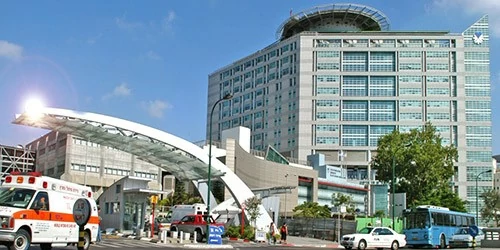
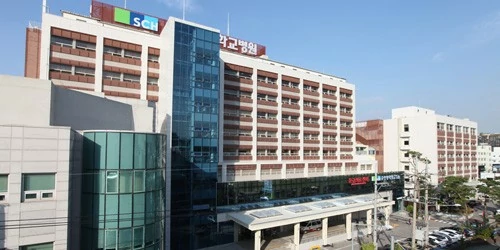
MediGlobus recommends the following clinics for the treatment of adenocarcinoma of the lung: Liv Vadistanbul, Medistate, Navarra University Hospital, University Hospital of Cologne, Ichilov Medical Center, SoonChunHyang Hospital.
LUNG ADENOCARCINOMA TREATMENT ABROAD
To sign up for treatment abroad for lung adenocarcinoma, contact our coordinating physicians by clicking the button below and filling out the feedback form. We will provide you with assistance in finding a clinic and arranging treatment abroad.
Sources:
- 1. David J. Myers, Jason M. Wallen: Lung Cancer
- 2. European Respiratory Journal: Surgical implications of the new IASLC/ATS/ERS adenocarcinoma classification
- 3. Insights into Imaging: Adenocarcinoma of the lung: from BAC to the future