


‘Clear-cell sarcoma’ is a rare diagnosis that can be difficult for patients to find information about. In this article, we will help you understand what this diagnosis means, what the treatment prognosis is, and what modern therapy can offer cancer patients.
What are the different types of clear cell sarcoma?
Clear-cell sarcomas are a group of cancers named for the distinctive ‘clear-cell’ appearance of the tumour tissue on histological analysis. The term is often used to refer to two unrelated types of sarcomas, which can confuse patients. These are soft tissue clear cell sarcoma and renal clear cell sarcoma. Although they have similar names, these diseases are associated with different cellular mutations, occur in different patient populations, and have different treatment protocols.
Soft tissue clear-cell sarcoma is a rare cancer that presents as a deep soft tissue tumour located near muscles or tendons. They usually form in the legs or feet, but there are cases of other localisations. The disease is most common in people between 20 and 40.
Clear-cell sarcoma of the kidney is a rare cancer that is most often diagnosed in children aged 2-4 years. 5% of all kidney cancer cases fall under this diagnosis. It is characterised by high aggressiveness and frequent metastasis, especially to the bones and brain.
Although these two diseases affect very different organs and are treated differently, they have some things in common:
 Clear-cell sarcomas are rare and aggressive;
They grow fast;
They are prone to metastasis formation;
They are prone to recurrence (return of the disease after remission has been achieved).
Diagnosis of soft tissue clear-cell sarcoma
When patients are admitted for treatment, they most often complain of a painless, fast-growing neoplasm on the leg. Many people often mistake it for a sports injury; however, the cancer has several distinctive symptoms:
Abrupt weight loss;
Loss of appetite;
Hot flashes at night;
General fatigue.
When sarcoma is suspected, the doctor will perform a physical examination and carefully gather a medical history. After that, diagnostic tests are usually ordered, which may include:
MRI | A visualisation diagnostic test to determine the exact size and location of the tumour. It plays an important role in planning surgery. However, this type of examination is not sufficient to make a diagnosis. |
Biopsy | A sample of the tumour is taken surgically for further laboratory examination. Depending on the location of the tumour, it can be performed using a needle or open surgery. Consequently, the procedure may be under local or general anaesthesia. |
Histology and immunohistochemistry | It is conducted on the tissue sample collected during the biopsy. This is a laboratory examination of the tumour tissue to determine its structure and the presence of specific markers that distinguish clear cell sarcoma from other cancers. In the case of clear cell sarcoma, this is the most reliable method of diagnosis. |
Genetic testing | In some cases, it may be ordered in addition to the tests listed above. In 90% of patients with this diagnosis, a specific mutation called the ‘EWSR1/ATF1 fusion gene’ is found. It occurs when the two broken genes exchange DNA fragments with each other, which disrupts the normal functioning of the cell. |
Clear-cell sarcoma of soft tissue is most often confused with melanoma because of the visual similarity of the cells and may be misdiagnosed in non-specialist hospitals. It is therefore important to see an experienced oncologist who will prescribe tests that can distinguish one disease from the other. In particular, medical tourists travelling to Turkey, Europe and Asia for sarcoma treatment usually have a histology revision, which allows for a correct diagnosis and individualised treatment.
Treatment of soft tissue clear-cell sarcoma

The treatment plan for soft tissue clear-cell sarcoma depends on the size, location of the tumour, stage of the disease, and the presence or absence of metastases.
The main method of treatment for soft tissue clear-cell sarcoma is surgery. The aim of surgical intervention is the complete removal of malignant tissues. If the resection is successful – what is known in oncology as ‘clean margins’ – the patient is left with the best chance of recovery. In most cases, the operations performed in foreign cancer centres in the case of clear cell sarcoma are organ-preserving, especially in the first stages of the disease.
External radiation therapy is very often used for the treatment of clear-cell sarcoma. The patient may be irradiated before surgery – to shrink the tumour and improve the chances of a complete resection. Radiotherapy is also often given after surgery to destroy residual cancer cells. In cases where clean resection margins have not been achieved, it is always administered.
Chemotherapy plays a smaller role in the treatment of clear-cell sarcoma and is usually administered to maintain patients with metastatic disease. Because of the highly aggressive nature of the disease, standard chemotherapy protocols are often less effective than in other forms of sarcoma. However, newer drugs available at leading foreign clinics show better results.
Because of the high risk of recurrence, monitoring by an oncologist and regular check-ups play a vital role in the treatment of clear-cell sarcoma. When the disease comes back, it is most often soon after the initial treatment, so the check-up schedule for patients is quite intense: at least every three months for the first two years. In most cancers, the 5-year threshold for achieving remission is considered the boundary of the ‘safe zone,’ when the disease will most likely never return.
The prognosis for 5-year survival in clear cell sarcomas ranges between 30% and 67%. Factors contributing to the best-case scenario include tumour size up to 5 cm, absence of metastases and necrosis, and clean resection margins.
APPOINTMENT FOR SARCOMA TREATMENT ABROAD
Click the button below and fill out the form to book a call from our coordinating doctors. We can help you find a doctor and clinic to treat soft tissue sarcoma abroad.
Diagnosis of renal clear cell sarcoma
Paediatric clear cell sarcoma of the kidneys does not have a specific disease picture. Most often, parents consult a doctor when they discover a swelling in the abdominal area, or if it is found at a paediatric check-up. A certain percentage of children may also experience abdominal pain, high blood pressure and blood in the urine.
The following methods may be used to make a diagnosis:
MRI | Magnetic resonance imaging is most often used in the diagnosis of renal clear cell sarcoma. It is not always possible to make a correct diagnosis solely based on the image, but it provides useful information about the tumour’s location and its penetration into neighbouring tissues, which is taken into account when planning treatment. |
Ultrasound | This is a non-invasive diagnostic method that allows doctors to detect a tumour in the kidney. The image obtained by ultrasound is less clear than MRI or CT, but it is a simpler procedure and is often used at the initial diagnostic stage. |
CT | Another method of visualising internal organs with radiographic waves, as opposed to magnetic waves as in MRI. If necrotic processes or internal bleeding are present, they will be visible in the resulting image. An MRI or CT scan is also important because of the high risk of metastases, which must also be detected and destroyed in time. |
Biopsy | Obtaining a tissue sample for further laboratory analysis plays an important role in making an accurate diagnosis. Tissue collection is done under anaesthesia. |
Histology and immunohistochemistry | This is an examination of the tumour tissue for the presence or absence of certain tumour markers, which will help to distinguish clear cell sarcoma from other types of kidney cancer, particularly Wilms’ tumour. |
On imaging, renal clear cell sarcoma is a large, solid mass, usually unilateral and single-focused, replacing most of the kidney. The cut surface appears jelly-like, and haemorrhage and necrosis are common.
For a time, oncologists considered clear cell sarcoma of the kidney to be an aggressive form of Wilms’ tumour, but modern researchers distinguish them as two different cancers.
Paediatric clear-cell sarcoma of the kidney is known for its ability to ‘mimic’ almost any other cancer of the kidney, which makes it particularly difficult to diagnose. For this reason, contacting an experienced oncologist is essential for a correct diagnosis and effective treatment.
Treatment of clear cell renal sarcoma
Renal clear-cell sarcoma tends to metastasise and spread throughout the body, especially to the bones and brain. This disease also recurs more often than other forms of kidney tumours. Therefore, correct and timely aggressive treatment is important.
Two guidelines can be used for the treatment of renal clear cell sarcoma abroad – the European International Society of Paediatric Oncology (SIOP-RTSG) and the North American NWTS-Children’s Oncology Group. They differ in nuances, yet provide relatively similar treatment outcomes.
In the past, clear cell sarcoma of the kidney was considered a cancer with a poor prognosis, but the development of new chemotherapy drugs has improved survival rates by 2,5 times.
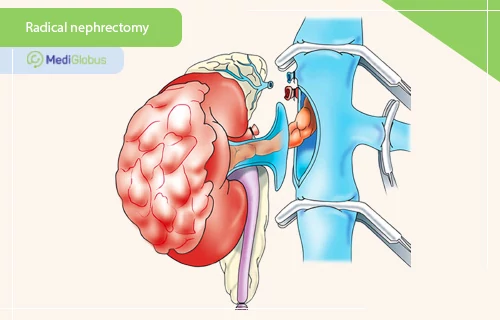
Surgery, chemotherapy and radiotherapy are the main components of treatment for clear cell renal sarcoma.
The most commonly performed operation is radical nephrectomy with lymph node dissection. During this, the surgeon removes the kidney along with the adrenal gland, nearby lymph nodes and surrounding tissue. This minimises the chance of cancer cells remaining in the body. Usually, a person can live normally with only one kidney, so most patients do not need an organ transplant.
Surgery is almost always accompanied by an aggressive protocol involving chemotherapy and radiation therapy. Together, they show good results in fighting cancer.
Despite reasonably good results in the treatment of renal clear-cell sarcomas, the disease often recurs even in the first stage, so monitoring by a physician still has a decisive role in achieving long-term survival.
The prognosis for survival in renal cell sarcoma is as follows:
| Cancer stage | 5-year survival rate |
|---|---|
| Stage 1 | 100% |
| Stage 2 | 88% |
| Stage 3 | 73% |
| Stage 4 | 29% |
According to the Fifth National Wilms Tumour Study
APPOINTMENT FOR SARCOMA TREATMENT
Click the button below and fill out the form to book a call from our coordinating doctors. We can help you find a doctor and clinic to treat kidney sarcoma abroad.
Where to seek treatment?
Since clear cell sarcoma, regardless of the tumour location, is a rare aggressive disease, we recommend seeking treatment in foreign cancer centres that have strong academic departments and modern equipment. They are usually the ones to have the most modern protocols and drugs available, including opportunities to participate in trials of new drugs. Also, such hospitals can attract the most experienced oncologists and surgeons.
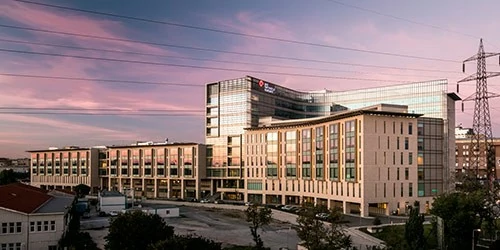
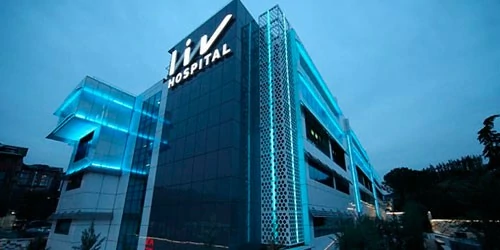
With these factors in mind, we most often recommend the following medical centres to our patients as the best value for money:


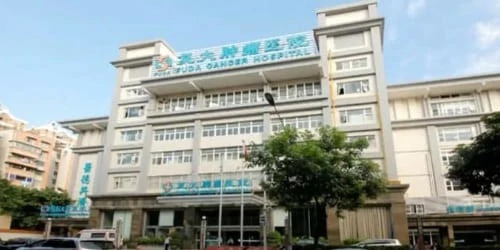
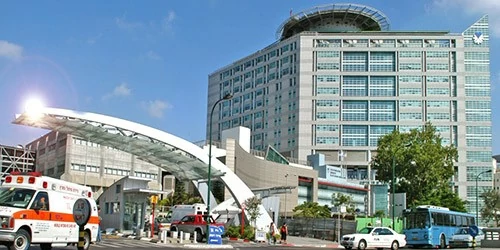
lick the button below and fill out the form to book a call from our coordinating doctors. We can help you find a doctor and clinic to treat kidney sarcoma abroad.

Summary
Soft tissue clear cell sarcoma is a rare and aggressive form of cancer, most commonly affecting young adults aged 20 to 40 years. The disease is difficult to diagnose and can often be mistaken for other cancers.
The main treatments for soft tissue clear cell sarcoma are surgery and radiation therapy. The 5-year survival prognosis of patients ranges from 30% to 67%.
Clear-cell sarcoma of the kidney is a rare and aggressive paediatric oncology. The disease is often mistaken for Wilms’ tumour. Its distinguishing feature is its tendency to metastasise, especially to the bones and brain.
Treatment of renal clear cell sarcoma consists of radical nephrectomy with lymph node dissection, followed by chemotherapy and radiotherapy. Depending on the stage of the disease, patient survival rates can range from 29% to 100%.
For treatment of clear cell sarcoma, we recommend clinics in Turkey (Koç, Liv Vadistanbul), Spain (Navarra University Hospital), Austria (Vienna Private Clinic), Israel (Ichilov) and China (Fuda).
Sources:
- 1. National Cancer Institute
- 2. National Library of Medicine: StatPearls
- 3. Case Reports in Oncology: A Clear Cell Sarcoma Case: A Diagnostic and Treatment Challenge, with a Promising Response to Trabectedin
- 4. Actas Dermosifiliogr: Importance of Genetic Testing in the Diagnosis of Clear Cell Sarcoma
- 5. Hippokratia: Clinicopathological features, diagnosis and treatment of clear cell sarcoma/melanoma of soft parts
- 6. Indian Journal of Medical and Paediatric Oncology: Clear cell sarcoma of kidney: A rare entity
- 7. European Journal of Cancer: Clear cell sarcoma of the kidney: A review
- 8. Cancer: Treatment and outcomes of clear cell sarcoma of the kidney: A report from the Children’s Oncology Group studies AREN0321 and AREN03B2
- 9. Archive of Pathology & Laboratory Medicine: Clear Cell Sarcoma of the Kidney