


1. How does recurrence occur? |
2. Symptoms of the disease |
3. Diagnosis of the pathology |
4. Methods of combating the recurrence |
5. Treatment prognosis |
6. Leading clinics |
Recurrence of ovarian cancer is the regrowth of the tumour after remission. It occurs in more than half of the cases of this type of cancer. The risks of malignancy recurrence increase depending on the stage at which it was initially detected and the methods of treatment. Recurrence can be of early type, occurring within six months after the end of treatment, or late-type, occurring six months or later. The choice of methods to fight the disease depends on its severity and the response to previous therapy options. Is it possible to get rid of a recurrent ovarian tumour? What is the prognosis for a cure and where is the best place to undergo treatment abroad? Find out the answers to these questions in our article.

Listen to the article:
Рецидив рака яичниковRecurrence of ovarian cancer

In the first stage of ovarian cancer, recurrence happens in 10% of cases. For the second stage, this figure is about 30%. At stages 3 and 4, the disease recurs in 70-90% and 91-95% of patients, respectively.
Although ovarian cancer can relapse in any area of the body, causing a wide range of problems, it predominantly appears at or near the site of the primary tumour, such as the uterus. Abdominal organs such as the liver, intestines, pancreas, etc. are also often affected.
Some patients may experience multiple relapses of ovarian cancer. This is because the first-line treatment often does not include the removal of the affected organ. If the tumour hasn’t been eliminated, it can show up again.
 Read:
Read: What are the symptoms of ovarian cancer recurrence?
 Lower abdominal pain that irradiates to the leg or back;
Constipation or diarrhoea;
Increased fatigue;
Sudden weight loss;
Increased abdominal volume;
Lack of appetite;
High body temperature;
The trouble with urination;
Abdominal discomfort and bloating;
Heartburn.
Diagnosis of ovarian cancer recurrence
Even if a patient managed to achieve remission of ovarian cancer, it does not mean that she can no longer visit the clinic and not go to the doctor. In the first year after the end of successful therapy, one should do follow-up examinations every 4 months. This will allow doctors to detect a recurrence of the disease in time and start treatment.
The doctor can see the first signs of ovarian cancer recurrence during a physical exam, imaging tests, or by running tests. X-rays, CT or MRI scans, and PET-CT are used for diagnosis. Hormone tests (indicated for stromal and germ cell tumours) and tumour markers can also detect the disease.
The presence of this tumour is indicated by elevated blood levels of the marker CA-125. This is a specific protein that indicates the presence of epithelial malignancies.
Most types of ovarian cancer are epithelial cell carcinomas. Relapse of the disease, which is characterized by a rise in CA125 levels without clinical manifestations of pathology, is called a “marker”.
To make an appointment for an ovarian cancer recurrence diagnosis, fill out our feedback form. We will call you back as soon as possible and help you arrange a medical trip.
Treatment of recurrent ovarian cancer
Even adherence to all oncotherapy protocols cannot guarantee that cancer will not return. In many cases, recurrence of this cancer occurs in patients who have already undergone surgery to remove their ovaries, fallopian tubes, and uterus, and who have completed chemo. The pathology reappears because malignant cells remain in the body.
For recurrent ovarian cancer, the treatment plan will depend on the goals the medical team wants to achieve, the time since stopping previous oncotherapy, as well as the methods previously used and the patient’s overall health. Given all of these factors, the doctor will recommend one or more treatment options, including:
Chemotherapy or radiation;
Targeted, immune, or hormone therapy;
Surgical intervention;
Palliative care.

If a patient with ovarian cancer has received platinum-based chemotherapy and then relapsed within the last six months, the tumour will be considered resistant to this drug. Therefore, the disease will be treated further with other types of chemotherapy drugs.
The Food and Drug Administration (FDA) has approved 2 new agents with unique cytotoxic mechanisms of action in platinum-resistant cancer. They are called pegylated liposomal doxorubicin (PLD) and topotecan.
If the platinum-based chemotherapy course was completed more than six months ago, it is possible to re-prescribe this drug together with other types of chemotherapy, in particular Gemcitabine. This drug combination is approved by the FDA for therapy of relapsed ovarian cancer.
Intravenous injection of antitumor drugs is indicated every 3-4 weeks. The duration of the course depends on the severity of the pathology and the well-being of the woman. Treatment usually lasts for 4-6 months. Chemotherapy can also be combined with targeted, immune, or hormonal drugs.
When chemotherapy fails or is considered too “severe” for the patient, more gentle options can be recommended. These are biological therapies that can reduce or help slow down tumour growth, prolonging the patient’s life and enhancing it. These include targeted and immune drugs. To control the progression of a recurrent ovarian tumour, the three most commonly prescribed targeted drugs are Bevacizumab, Olaparib, and Niraparib. They attack malignant cells without damaging healthy organs and systems.
Drugs are given intravenously every 2-3 weeks. A combination of biological and chemical therapies gives a good result.
Hormone therapy is indicated in the treatment of the relapsed treatment of ovarian stromal tumours. It is aimed at blocking the hormones that are responsible for the growth of cancer cells. The medication is taken daily in the form of tablets. The treatment course can last for several years.
Patients with recurrent ovarian cancer may need a second surgical intervention after the first surgery. It is important to compare the effectiveness of surgery with the use of isolated chemotherapy. If repeated surgery allows to prolong and improve the quality of life of a woman, it is considered to be a better option.

Secondary cytoreduction is a widely practised method of treating patients with platinum-sensitive recurrence of ovarian cancer. This intervention aims to remove as much cancerous tissue as possible from the patient’s abdomen without leaving tumour nodules larger than a centimetre in diameter.
Radiation therapy is prescribed as palliative care for patients with advanced relapsed ovarian cancer. It allows to shrink the tumour and “soften” the severity of symptoms.
Prognosis of recurrent ovarian cancer
Recurrent ovarian cancer is rarely completely curable. In this case, therapy is mainly aimed at eliminating the symptoms of the pathology, prolonging the patient’s life and improving its quality. The overall survival rate of women with relapsed ovarian cancer averages 32 months.
Where do they treat relapsed ovarian cancer abroad?







Resume
Ovarian cancer is the sixth most common pathology in women. After primary treatment, the disease recurs in more than half of all cases. Surgery significantly reduces the risk of tumour recurrence. It is especially relevant for the initial stages of the disease.
The later the disease is detected, the higher the chances of its recurrence after treatment. Imaging and laboratory tests are used to diagnose the recurrence of ovarian cancer. These include MRI, CT scan, PET-CT, radiography, hormone test, etc. The main marker signifying the recurrence of ovarian cancer is CA-125 protein in the blood, even without obvious symptoms of the disease.
Recurrence of ovarian cancer is possible even after surgery. Treatment of a tumour that comes back after some time depends on many criteria, in particular – the used methods of oncotherapy, the health condition of the woman, etc. Chemotherapy is considered the initial option for fighting the disease. It is often combined with targeted, hormonal, or immune medications. Radiation or repeated surgical intervention can also control the progression of the pathology.
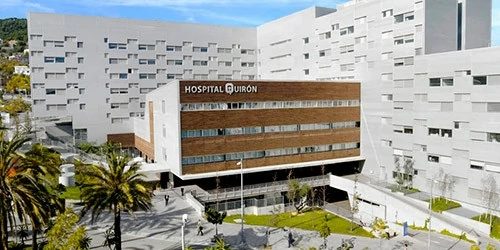
Patients often choose the following foreign medical centres for the treatment of recurrent ovarian cancer: Teknon, Medicana, Koç, Assuta, Quironsalud, the University Hospital of Cologne and the Vienna Private Hospital.
To go abroad for treatment for a recurrence of ovarian cancer, click on the button below and leave your contact information. We will contact you and help you to choose the best clinic and competent doctor for your question.