


1. Symptoms of the disease |
2. Types of spindle cell sarcomas |
3. Diagnosis |
4. Methods of combating the disease |
5. Survival prognosis |
6. Leading clinics |
Spindle cell sarcoma is a type of soft tissue or bone cancer. It is one of the rarest tumours in the world, as it accounts for about 2-5% of all malignancies. The tumour can be found anywhere in the body, but most often it affects the legs, arms or pelvis. Its exact cause is not known, but radiotherapy, trauma, genetic predisposition or infection can increase the risk of its occurrence. The disease mainly affects people over the age of 40. The treatment requires a comprehensive approach. Read more about spindle cell sarcoma and how to fight it in this article.

Listen to the article:
What are the symptoms of spindle cell sarcoma?
Spindle cell sarcoma can occur in any part of the body. However, it usually affects the extremities, pelvis, skull, shoulder and neck. The symptoms depend on the location of the tumour. The most common of them are:
 Pulsing or constant pain in the area of the tumour,
Abnormal fractures of the bone damaged by cancer,
Swelling or thickening of the sarcoma site,
Decreased mobility in the joints adjacent to the tumour,
Increased fatigue and weakness,
Decreased body weight,
Fever.
 Read:
Read: What are the different types of spindle cell sarcoma?
There are several types of spindle cell sarcomas. They differ in their structure and localisation. Although these tumours predominantly form in the long bones, in some cases they can even develop in the bone tissues of the skull or pelvis. Therefore, the following varieties of spindle cell sarcomas are worth highlighting:
Leiomyosarcoma | Leiomyosarcoma – a rare tumour that usually affects people of mature age. It develops from smooth muscle cells and is treated in much the same way as osteosarcoma, a much more common bone malignancy. |
Undifferentiated pleomorphic sarcoma | An aggressive tumour that predominantly affects people in their 60s and 70s. It most often forms on the extremities. |
Fibrosarcoma | An extremely rare tumour that affects middle-aged people. It consists mainly of special cells called fibroblasts. As a rule, the femur is affected. |
Diagnosis of spindle cell sarcoma
Laboratory tests and imaging tests (e.g. X-ray, ultrasound, CT scan and MRI) are performed to detect the tumour. The diagnosis is confirmed with the results of a biopsy. Given the fact that spindle cell sarcoma can quickly spread to other parts of the body, especially to the lungs, many patients are indicated for a positron emission computed tomography (PET-CT) scan.
To undergo an oncological examination abroad, click on the button below and fill in the feedback form. We will assist you in choosing the best clinic and organising your medical trip.
What is the treatment for spindle cell sarcoma?

The treatment strategy for spindle cell sarcomas depends on several factors: the extent and type of the tumour, the localisation of the tumour, the patient’s general condition and the presence of metastases.
Abroad, a treatment programme is developed individually for each patient. It involves a multidisciplinary team of specialists, including an oncologist, radiologist, chemotherapist, surgeon, etc. This approach makes it possible to create the most effective and safest possible oncotherapy plan for the patient.
The treatment of spindle cell sarcoma is usually carried out in several stages. The first of these is chemotherapy and/or, less frequently, radiotherapy. They are administered before surgery to reduce the size of the lesion and destroy the cancer cells that have spread through the body.
Chemotherapy for spindle cell sarcoma has traditionally involved the use of several drugs. They are taken for about 8-10 weeks. The medications are injected intravenously, intramuscularly or taken as pills. Chemotherapy can also be continued after surgery to eliminate residual cancer cells or to prevent a recurrence of the disease.
The next step is surgery. Its type, extent and technique differ for each case. The main goal of surgery is to remove the tumour as safely and completely as possible while preserving normal body functions. For this reason, doctors are constantly working to introduce new medical techniques that allow for organ-sparing surgery. However, it is not always possible to remove a tumour without amputating a limb. Patients may then be fitted with a prosthesis after the intervention.
In several cases, radiotherapy can be recommended after the surgery, in particular:
if the patient’s response to surgery is poor (early tumour recurrence),
if it has not been possible to remove cancer completely,
if there is a high likelihood of recurrence of the sarcoma.
Radiation therapy can also be used to treat patients who cannot undergo surgery for medical or other reasons. Radiation therapy can alleviate the symptoms of the disease in the later stages of spindle cell sarcoma.

Radiotherapy can be performed with a special machine (distant irradiation) or by using special radiation sources (brachytherapy). In the latter case, radioactive elements (grains, plates) are injected into the malignant tumour or the area close to it. This helps to irradiate the cancerous cells in a targeted manner, with little or no damage to healthy tissue.
For recurrent spindle cell sarcomas or advanced tumours that have not responded to previous treatment, targeting or immune drugs may be administered. They can significantly improve and extend the quality of life of the patient.
What is the prognosis for spindle cell sarcoma of soft and hard tissue?
The survival prognosis of patients with spindle cell sarcomas depends on the age and general condition of the patient, as well as the degree of progression of the pathology and the type and location of the tumour. Treatment methods also influence this. The chances of success are higher in those who have undergone surgical intervention.
The average survival rate for spindle cell sarcoma is approximately 65%. In its early stages, 81% of children are likely to survive five years or more, while 16% may not survive more than five years in advanced stages.
The overall average survival rate for this disease is approximately 65%. In the early stages of the disease, 81% of patients can overcome the 5-year survival threshold, and in the advanced stages – no more than 16%.
Where can I be diagnosed and treated for spindle cell sarcoma abroad?
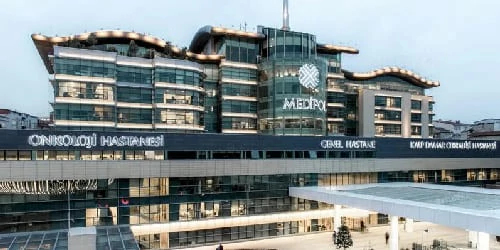
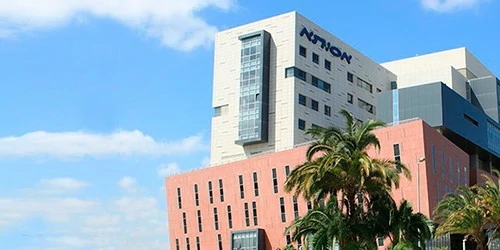
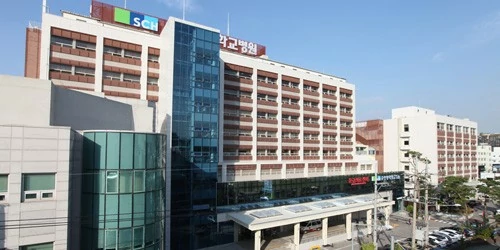
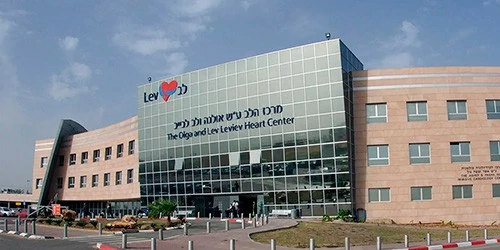
For the treatment of spindle cell sarcoma, patients should go to specialised clinics or centres. They have the necessary equipment for accurate diagnosis and treatment, as well as qualified personnel who will provide medical care according to international standards and protocols. Hospitals in Turkey, Spain, Israel, South Korea, etc. stand out among such institutions. Among them are:




Summary
Spindle cell sarcoma is a rare malignant tumour of soft tissue and bones. It can affect any part of the body but is most often localised to the limbs and pelvis. It is diagnosed in men and women of mature or old age. The male sex is slightly more often affected.
To detect spindle cell sarcoma, laboratory tests, CT scans, MRI scans, X-rays or ultrasound scans are performed. The diagnosis is confirmed by a biopsy. Most cases are detected at an advanced stage.
The treatment of spindle cell sarcoma involves a comprehensive approach. Surgery is the mainstay of the treatment. Chemotherapy and/or radiotherapy may be carried out before surgery. This helps reduce the volume of the tumour. After surgery, chemotherapy or radiation may also be prescribed. Patients with advanced or recurrent sarcoma may be prescribed targeted drugs or immune medications.
The overall 5-year survival rate for spindle cell sarcoma is about 65%. Complete resection of the tumour gives the best chance of success.
Patients can go to Turkish, Spanish, Israeli and German hospitals for treatment, as well as to health centres in other countries with a well-developed healthcare systems, for example, Liv, Medistate, Teknon, Ichilov, Fuda, etc.
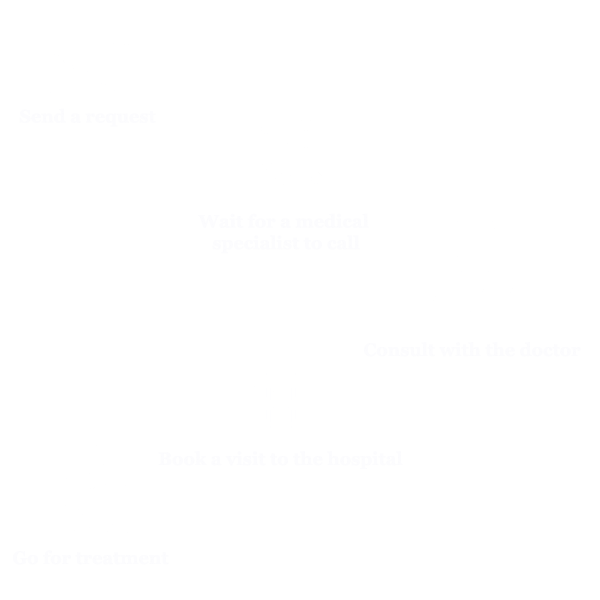
To arrange treatment for spindle cell sarcoma abroad, please fill in an application form on our website and wait for our call. Our coordinators will help you find the best solution for your medical issue.
Sources
- Bone Cancer Research Trust
- National Health Service (NSH)
- ScienceDirect
- American Cancer Society
- American Society of Clinical Oncology (ASCO)