


Spleen cancer is a malignant neoplasm that grows diffusely or as individual nodules. It is usually diagnosed in the adult and elderly age groups. The incidence in males and females is almost the same. Primary tumours of the spleen occur less frequently than secondary tumours. The spleen is predominantly affected by lymphoma and leukaemia as well as lung, breast, pancreatic, etc. tumours. Without treatment, there is very little chance of survival. Timely detection of the disease and a comprehensive approach to combating it give good results. Read this article to find out more about how spleen cancer is treated abroad, how successful the medical care is, and where it is best obtained.

Listen to the article:
How is spleen cancer detected and diagnosed?

Spleen cancer is a rare malignancy. There are different types of this disease: angiosarcoma, lymphoma, littoral cell sarcoma or hemangioendothelioma. These are aggressive neoplasms that require immediate treatment. However, early detection is difficult because usually, they do not present with any obvious symptoms.
More than 52% of spleen cancers are diagnosed at stage 4.
In the first stage of spleen cancer, patients may not show any signs or they may be mild and misdiagnosed. As the disease progresses, patients complain of discomfort in the left side of the lower back, pain and fatigue. They also have enlarged lymph nodes, fever and night sweats.
Common symptoms of spleen cancer also include anaemia, reduced resistance to infectious diseases, muscle weakness, and chronic cough. To detect a tumour as quickly as possible, you should have regular medical check-ups.
Spleen cancer is detected by laboratory tests, abdominal ultrasound and CT or MRI scans. Histopathological and immunohistochemical examination of a tissue sample of the tumour is also required to confirm the diagnosis. A splenectomy – removal of part or all of the spleen – is performed for this purpose. The procedure is also a first-line treatment for this condition.
To undergo diagnostics abroad, please contact the medical coordinators of the international MediGlobus platform. Our experts will examine your clinical case in detail and help you choose the right clinic and organise your medical trip.
Modern treatments for spleen cancer
Treatment for spleen cancer includes surgery, chemotherapy, radiotherapy and the use of immune and targeted drugs. The choice of a particular option is determined by the type of tumour and its stage. The most effective ways of dealing with the disease are chosen individually for each patient abroad.
Spleen cancer surgery
Surgery and chemotherapy are considered the mainstay of treatment. Complete or partial removal of the spleen is the standard of care for this pathology. The intervention is performed openly (through a large incision) or laparoscopically (through several punctures). Cancer can also be removed using the da Vinci robotic system. General anaesthesia is required for all surgical procedures.
Most surgeries to remove spleen cancer are laparoscopic. During the intervention, four small incisions are made in the abdomen to accommodate the laparoscopic surgical instruments. The abdomen is then filled with carbon dioxide. Following that, the laparoscopic camera and necessary instruments are inserted. The surgeon carefully removes the spleen or part of it without damaging healthy organs and tissues.
A splenectomy lasts between 40 minutes and one hour. Afterwards, the patient needs to stay in the clinic for 24 hours (for laparoscopic surgery) and 2-6 days (for open surgery). Full recovery takes 2-4 weeks.
After spleen cancer surgery, the patient is often prescribed chemotherapy or radiation. The first method is preferable because it gives a better prognosis for recurrence-free survival.

Chemotherapy for spleen cancer
Chemotherapy involves the use of antitumour drugs before or after surgery. It is possible to use chemotherapy as the main treatment for spleen cancer. The number and duration of courses are calculated individually for each patient.
Chemotherapy drugs are given intravenously. Sometimes they can be taken as pills. Polychemotherapy, i.e. the use of several drugs, is most often recommended. The most common chemotherapy regimens for spleen lymphoma are CHOP (cyclophosphamide, hydroxorubicin, vincristine and prednisolone), FMD (fludarabine, mitoxantrone, dexazone) and FMC (fludarabine, mitoxantrone, cyclophosphamide).
 Read:
Read: Radiation therapy for spleen cancer
Radiotherapy is used as a stand-alone or adjunctive treatment for this type of cancer. Radiation exposure of malignant cells is carried out externally or internally. The latter is referred to as brachytherapy. This method involves injecting radioactive elements (plates, grains, capsules) into the tumour or the area around it. This allows the tumour to be targeted as much as possible.
External radiation therapy is more commonly used for spleen lymphoma than for sarcoma. It not only destroys the primary tumour but also the metastases. The number of radiation sessions and their duration vary from case to case.
Immune and targeted therapy for spleen cancer
Innovative treatments for malignant spleen tumours include immune and targeted therapies. These are usually prescribed at stages 3 and 4 of cancer. The use of immune drugs allows cancer to be fought with the body’s immune powers. These drugs “activate” the patient’s immune system to destroy the malignant cells.
Targeted and immune drugs are sometimes used together with chemotherapy.
These drugs ‘recognise’ specific mutations in cancer cells. They attack the tumour, preventing it from growing and spreading. Healthy organs and systems in the body are not harmed.
What is the survival rate for spleen cancer?
Given the rarity of spleen cancer, there is little information in medical practice about prognosis and outcome. The overall survival for spleen cancer is considered to be poor. However, survival rates vary for different types and stages of progression of this tumour. According to the National Cancer Institute, the prognosis for different types of this cancer is as follows:
In lymphoma of the spleen, the 5-year survival rate was 91.6% for patients with stage I, 72.8% for stage II, and 85.1% and 80% for stage III and IV, respectively.
In sarcoma of the spleen, the prognosis for survival is unfavourable. The median survival time is 10 months. Approximately 46% of patients reach the 1-year survival threshold. 12.4% of patients reach the 5-year threshold.
The prognosis is also affected by the use of certain cancer therapies and surgeries. For example:
 The 5-year survival rates in patients with spleen lymphoma who received chemotherapy combined with surgery and chemotherapy alone were 84.0% and 76.9%, respectively.
Survival for patients with sarcoma of the spleen who received chemotherapy was 14 months and for patients who did not receive chemotherapy 10 months.
About 90% of patients with early-stage spleen lymphoma who undergo surgery achieve a 5-year survival rate. In patients with late-stage pathology who have also undergone surgery, this number is 82%.
Where do they treat spleen cancer abroad?





Summary
Primary spleen cancer is rare compared to other parenchymal malignancies. It is usually diagnosed in adult or elderly men and women. More often the spleen is affected by metastases from melanoma, breast or lung cancer, and lymphoma.
Symptoms of spleen cancer may be absent for some time. Only as the tumour grows do patients start the following symptoms: pain and discomfort in the abdomen, nausea and vomiting, joint and muscle pain, unexplained weight loss, constant weakness, enlarged lymph nodes, frequent infections and fever, especially at night.
A tumour is diagnosed through several diagnostic procedures. They include physical examinations, lab tests and imaging studies. Spleen cancer can be found on an ultrasound, CT scan and MRI. A biopsy is needed to make an accurate diagnosis.
Sarcoma of the spleen is treated with surgery, chemotherapy, radiotherapy, targeted drugs or immune drugs. The choice of how to treat the disease depends on its severity and the patient’s general state of health. Spleen metastases are treated like the primary tumour.
The prognosis for spleen cancer depends on the type and degree of progression of the tumour. It is also influenced by treatment methods. The survival rate is much higher for lymphoma of the spleen than for angiosarcoma. Chemotherapy improves survival rates.
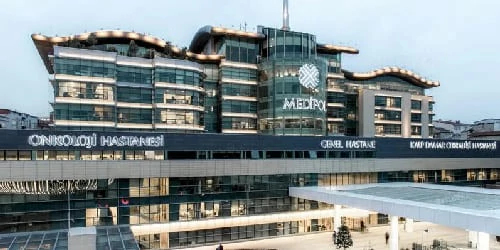
Spleen cancer can be diagnosed and treated abroad at medical centres such as Medipol, Anadolu, Samsung, SoonChunHyang, and University hospitals Nuremberg and Cologne.
To travel to one of the best clinics abroad for spleen cancer, contact the specialists at MediGlobus. We will help you organise all stages of your medical trip.
Sources:
- National Library of Medicine
- The Leukemia & Lymphoma Society
- Lymphoma Action
- Мedical News Today
- National Library of Medicine