


Sézary syndrome is a rare form of T-cell lymphoma, accounting for 3-5% of cases. The disease is caused by a mutation in human white blood cells that affects the skin. The disease is dangerous, aggressive and can spread throughout the body. Sézary syndrome most often affects people over the age of 60, but it can occur in anyone of any age.
In our article, you will learn what diagnosis and therapy options are available abroad for the different stages of Sézary syndrome and where you can seek treatment.
What is Sézary syndrome?

Sézary syndrome, also known as T-cell lymphoma of the skin, is a rare and aggressive form of cancer. The exact causes and risk factors of the disease are not fully understood. The cancer develops due to mutations in the body’s white T-lymphocytes called ‘Sézary cells’. When the disease occurs, it spreads through the blood, lymph nodes and skin to form rashes and neoplasms.
Sézary syndrome is sometimes mistakenly referred to as fungal mycosis, but these are different cancers.
Because of its low prevalence, T-cell lymphoma of the skin is difficult to treat. Patients who are diagnosed with the disease are advised to see an experienced oncologist as soon as possible for advice and treatment. Modern cancer therapies are available at foreign hospitals, which can improve the length and quality of life of people with this diagnosis.
Every year, 3,000 people are diagnosed with Sézary syndrome.
FIND A HOSPITAL FOR TREATMENT
Contact MediGlobus and we will help you find the right hospital for your Sézary Syndrome treatment. To submit your request online, click on the button below and fill in the form.
How do I recognise Sézary syndrome from its symptoms?
The main symptoms of T-cell lymphoma include:
 A red rash covering large areas of skin;
Severe itching, flaking and peeling of the skin;
Enlarged lymph nodes;
Thickening of the skin on the palms of the hands and feet;
Swelling;
Eyelid bulging;
Alopecia – severe hair loss;
Changes in nail shape or colour;
Enlarged liver and spleen;
Increased fever.

A patient suffering from Sézary syndrome will not necessarily have all the symptoms described. However, skin changes occur in almost 100% of patients. If the signs described above are found, a qualified dermatologist or oncologist should be consulted for a correct diagnosis. In addition to Sézary syndrome, psoriasis, atopic dermatitis and mycosis fungoides can also manifest in this way. Similar symptoms can also be caused by the side effects of certain medicines.
Diagnosis of Sézary syndrome
Diagnostic tests that are prescribed when there is a suspicion of Sézary syndrome include:
Skin biopsy | This is a minimally invasive procedure during which the doctor excises a small layer of the rash to examine in a laboratory for the presence of cancer cells. |
Complete blood count and peripheral blood smear | The doctor examines the blood sample to see if it contains Sesari white cells. These are present in the bloodstream in Sézary syndrome but not in other types of T-cell skin lymphoma. |
Flow cytometry | This is a standard test for counting the number and type of cells in the blood. |
Immunophenotyping | This is a test performed to diagnose leukaemia and lymphoma. During the examination, antibodies are used to distinguish the cells of interest to the doctor from the rest. |
T-cell receptor gene rearrangement test (TCR) | This is a genetic examination of malignant tumour tissues. It can be used to detect specific mutations that have occurred in the DNA of cells. Sézary syndrome usually affects parts of chromosomes 8, 10 and 17. |
CT/PET-CT | Imaging techniques can be used in preparation for lymph node biopsy. |
The disease may progress slowly, and the diagnosis is not always evident in the early stages of the lesion. Many patients have multiple visits to different doctors and apply symptomatic treatment until a correct diagnosis is made.
GET A SECOND MEDICAL OPINION
MediGlobus will help to get an expert opinion from an experienced diagnostician. Foreign doctors provide online and face-to-face consultations. To request a service, please leave an application online.
Prognosis of patients with Sézary syndrome
Sézary syndrome is an aggressive disease that is effectively controlled but difficult to cure completely.
The prognosis of people with Sézary syndrome depends on the stage of the disease, how aggressive it is and the body’s response to therapy. Complete remission is rarely achieved. However, with proper treatment, the patient can expect to live for 2-4 years. In 65-85% of patients, the disease is detected in stage 1, when the prognosis is most positive. The five-year survival threshold is exceeded by about 24% of patients, but with modern treatment methods, this percentage may be higher. Patients with a localised rash can live more than 12 years.
A more positive prognosis is seen in these patients:
Age up to 60 years;
Stage 1-3 of the disease;
Less than 80% of the skin is affected;
Normal lactate dehydrogenase levels.
In some cases, doctors may recommend that the patient undergo an autologous bone marrow transplant. This method of treatment is not indicated for all patients, but it is the only one that can cause long-term remission or a complete cure of the disease.
An important aspect of the treatment of Sézary syndrome is control of the symptoms of the disease. Patients deal with several problems in this way:
Control of severe itching;
Increased risk of infection due to impaired skin barrier and reduced immunity;
Complications of erythroderma;
Risk of metastases or secondary lymphoma.
Modern therapies can maintain the patient’s condition for months or years. If these drugs are ineffective or stop working, other approaches can provide good control of the disease, although sustained remissions are rare.
Treatment of patients with T-cell lymphoma of the skin
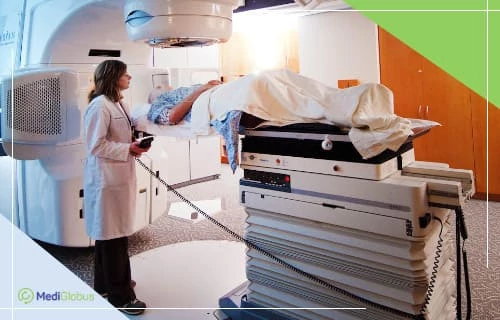
Depending on the patient’s condition, the doctor may prescribe palliative treatment to relieve symptoms and improve quality of life, or comprehensive treatment.
The most commonly used treatment for symptom control is:
Photodynamic therapy
Photodynamic therapy involves applying a light-sensitive drug to the affected skin and exposing it to ultraviolet light (UVA or UVB). Its main advantages are good results, no toxicity and excellent cosmetic results.
Photophoresis
In photopheresis, cancer cells in the blood are treated with a drug that makes them sensitive to light. The ultraviolet light then kills the harmful cells before the blood is returned to the body.
Drug therapy
A large number of drugs, particularly corticosteroids, are used to control the cutaneous manifestations of Sézary syndrome.
The main cancer therapies used to treat Sézary syndrome include:
Radiation therapy
When treating Sézary syndrome, electron beam skin therapy (TSEBT) is the most commonly prescribed treatment. Radiotherapy can be effective in destroying skin tumours or thick plaques due to its ability to penetrate deep into the tissue. The procedure can be carried out using various techniques such as rotational, translational radiation therapy and the large electron field technique. Foreign clinics use modern models of radiation therapy machines so that patients suffer fewer side effects.
Chemotherapy
When selecting chemotherapy, oncologists carefully balance the potential effect of the therapy against the possible toxicity of the drugs. In most cases, cancer responds to treatment with only one drug, although a combination of drugs may sometimes be prescribed. More aggressive protocols are indicated for patients with severe lymph node or soft tissue involvement. 70-80% of patients with Sézary syndrome respond positively to this treatment plan.
Targeted therapy
Targeted therapies are medical drugs that can recognise cancer cells by specific genetic mutations and counteract them. Compared with traditional chemotherapy, targeted drugs are considered milder treatments, as they cause little or no damage to healthy tissue. This greatly reduces the number of side effects that the patient has to deal with. The drugs alemtuzumab and mogamulizumab have been approved for the treatment of Sézary syndrome. The latter has a recommendation from the FDA, one of the most prestigious medical organisations for the quality control of medicines.
Allogeneic bone marrow transplantation
Allogeneic marrow transplantation is a medical procedure in which brain stem cells are harvested by biopsy or blood filtration, prepared in a laboratory and reinfused after an aggressive course of chemotherapy. This radical method of treatment allows the immune system to “restart” and in some cases can completely cure Sézary syndrome. Given the risk and cost of the procedure, bone marrow transplants are recommended for younger patients at stages 3-4 who do not respond well to standard treatment protocols.
 Read:
Read: The treatment plan for Sézary syndrome depends on the stage of the disease:
| Treatment of Sézary syndrome stages 1A-2A |
|---|
| In the early stages, palliative therapy forms the basis of treatment for Sézary syndrome. It can be supplemented with superficial chemotherapy or radiation therapy. |
| Treatment of Sézary syndrome stage 2B-4 |
|---|
| Systemic treatment of lymphoma is most effective in the later stages of the disease. A wide range of medications, intensive chemotherapy protocols, immunotherapies and targeted therapies are used. |
Clinics for the treatment of T-cell skin lymphoma
Early diagnosis and an optimal treatment plan are important in the treatment of Sézary syndrome. Foreign hospitals are well equipped to treat this rare disease: experienced oncologists, advanced medications and state-of-the-art equipment. Some types of treatment for T-cell lymphoma, such as targeted therapy or bone marrow transplantation, may not be available at a sufficient level of quality in the patient’s home country.
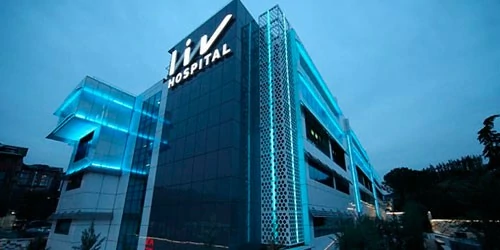
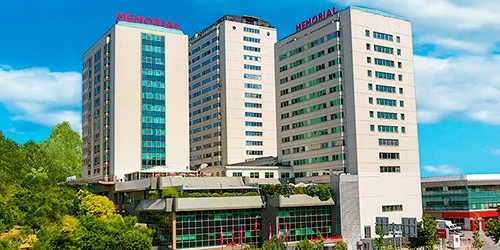
Given the value for money of the treatment, MediGlobus may recommend the following hospitals for therapy of Sézary syndrome:


Summary
Sézary syndrome is a rare form of T-cell lymphoma, a malignant blood cancer. It is characterised by extensive skin lesions similar to psoriasis or dermatitis, together with other symptoms.
Sézary syndrome is considered an aggressive disease that is difficult to treat. In its early stages, therapy consists of controlling the spread of the disease and alleviating symptoms. In 65-80% of patients, the diagnosis is made at stage 1, when the prognosis is +4 years on average.
In stages 3 and 4 of Sézary syndrome, doctors use radiation therapy, chemotherapy and targeted therapy. Most patients respond well to treatment protocols, but the disease usually recurs.
Bone marrow transplantation is indicated for some young patients in the later stages of Sézary syndrome. This offers a chance to get rid of the disease completely but is considered a rather aggressive and risky method of treatment.
Some of the hospitals that MediGlobus recommends for the treatment of T-cell lymphoma are Liv Hospital, Memorial Hospital Network (Turkey), Navarra University Hospital (Spain), University Hospital of Cologne (Germany).

Sources:
- 1. NIH: Genetic and Rare Diseases Information Center
- 2. Cleveland Clinic
- 3. Dr Bruno Di Muzio, Dr Yuranga Weerakkody about Sezary syndrome
- 4. The Journal of Clinical Investigation: The Sézary syndrome: a malignant proliferation of helper T cells.
- 5.Blood (2009) 114 (20): 4337–4353
- 6. National Comprehensive Cancer Network: Review of the Treatment of Mycosis Fungoides and Sézary Syndrome: A Stage-Based Approach