


Hodgkin’s lymphoma is a malignant lesion of the lymphatic system. It is also called Hodgkin’s disease or lymphomatoid granulomatosis. The disease affects people of all ages. In 60% of cases, the pathology is diagnosed in adults. Most often, it develops in patients in their 20s and 40s and after 50 years of age.
Lymphomatoid granulomatosis is characterized by slow development and has a favourable prognosis. However, without treatment, the survival rate of patients is several times lower. Learn more about Hodgkin’s lymphoma, its diagnosis and treatment methods in this article.

Listen to the article
Is Hodgkin’s lymphoma cancer or not?

Hodgkin’s lymphoma is a cancerous disease that forms because of the abnormal growth of mature B-lymphocytes (white blood cells). It affects the lymphatic system – a network of glands and their connecting vessels spread throughout the body.
Lymphocytes damaged by cancer lose their ability to fight infections. This reduces the body’s ability to resist viral diseases. The earliest symptom of the disease is a painless tumour in a lymph node. As a rule, cancer affects lymph nodes in the neck, armpits or groin.
As the disease progresses, patients experience severe night sweats, fever, weight loss, and constant fatigue. Symptoms of oncopathology may not be present for many years, compounding the possibility of early diagnosis.
Why does Hodgkin’s lymphoma appear in adults?
The exact cause of Hodgkin’s disease in adults is unknown. It occurs when the blood’s B-cells mutate. Abnormal lymphocytes begin to divide uncontrollably in one or more lymph nodes, such as in the neck or groin. Over time, the malignant process spreads to other parts of the body.
Risks of developing Hodgkin’s lymphoma are increased by an Epstein-Barr infection, a family history of the disease, and congenital or acquired immunodeficiencies.
What types of Hodgkin’s lymphoma are diagnosed in adult patients?
Nodular sclerosis. The most common form of Hodgkin’s lymphoma. It often occurs in young people over the age of 20, especially in women. Malignant nodes are found in the chest and/or neck. The disease causes fibrotic scarring in the lymphatic tissues.
Mixed-cell subtype. It accounts for about 25% of all cases of Hodgkin’s lymphoma. The pathology is more often detected in the elderly. It affects lymph nodes in the abdomen and metastasizes to the spleen.
Rich lymphocytoma. This form of the disease affects about 15% of all lymphoma patients. The disease is predominantly diagnosed in men.
Nodal lymphoma. Affects about 5% of patients. It is characterized by the presence of Reed-Sternberg lobular cells, which look like popcorn. The disease is most commonly found in people 30-45 years old.
Stages and categories of Hodgkin’s lymphoma in adults
Hodgkin’s lymphoma is classified into stages and categories. Stages – 1, 2, 3, and 4 – determine how much of the disease has spread from one lymph node throughout the body. For example:
 Stage 1 – only one lymph node is affected.
Stage 2 – two or more lymph nodes on one side of the diaphragm are affected.
Stage 3 – there are multiple lymph node lesions on both sides of the diaphragm; possibly metastasizing to the spleen.
Stage 4 – cancer cells have spread from the lymphatic system to other organs, particularly the liver, lungs, or bones.

Categories – A, B, E, S, and X – are responsible for the presence of certain symptoms and the spread of the cancer process. According to these indicators, lymphogranulomatosis is divided into:
Category A – no signs of the disease.
Category B – patients have one or more of the following symptoms: unexplained weight loss, severe night sweats, or weight gain.
Category X – involves multiple lymph node lesions covering the chest area; patients complain of constant fatigue, chills, weight loss, swelling, and shortness of breath.
Category E – cancer has spread beyond the lymph nodes to other tissues or organs; symptoms are pronounced; the patient often suffers from infectious diseases.
Category S – the malignant process has affected other organs. Approximately 30% of patients have enlarged spleen. Constant fatigue, cough, itchy skin, fever, difficulty swallowing, etc are among the other symptoms.
How is Hodgkin’s disease diagnosed in adults?
To diagnose Hodgkin’s lymphoma, laboratory tests are used, in particular a general blood test that evaluates the levels of red blood cells, white blood cells, and platelets. The patient also undergoes lymph node and bone marrow biopsies. Computed tomography, magnetic resonance imaging, and PET-CT are required to determine the degree of progression of oncopathology.
Hodgkin’s disease in adults has some diagnostic challenges. It may go unreported for a long time but slowly kills a person. Therefore, comprehensive cancer screenings are the key to timely detection of the disease and high chances of treatment success. To sign up for an oncology check-up abroad, click on the button below and leave your contacts.
What is the treatment for Hodgkin’s lymphoma in adults?

Treatment of Hodgkin’s lymphoma depends on the stage of the disease. The main methods of fighting the disease are chemotherapy and radiotherapy. Chemo is taken according to the ABVD regimen. It is designed for 4-6 courses, which are carried out over six months.
A combination of several chemotherapy drugs is used. They are prescribed in the form of tablets or intravenous injections. When late-stage lymphoma. about 8 courses of chemo are administered. It is combined with steroid medications.
Radiation therapy for Hodgkin’s lymphoma is used both alone and with chemotherapy. The combination of these methods gives the best results at stages 1-2 of the disease. As an independent method of control, irradiation is possible only at the first stage or as palliative care.
Surgery is not usually used for this disease. The exception is a biopsy, which is indicated to determine the correct diagnosis.
Immune and targeted therapies or stem cell transplantation can be used if the patient does not respond to first-line treatment. Monoclonal antibodies are recommended as targeted drugs. They identify cancer cells and block their growth. There are currently 2 targeted drugs available for Hodgkin’s lymphoma. They are given by intramuscular injection.
Immune therapy can be performed with checkpoint inhibitors. These drugs make cancer cells visible to the immune system and help destroy them. They do not damage healthy organs and tissues. Nivolumab and Pembrolizumab are biological drugs that are often prescribed to treat recurrent Hodgkin’s lymphoma.
High-dose chemotherapy or radiation is combined with bone marrow transplantation (BMT) to control advanced lymphoma. Before chemo or radiation, stem cells are removed from the patient’s or donor’s blood and bone marrow. They are then frozen and stored.
After the patient completes aggressive treatment with chemicals or radiation, the stored material is thawed and put back into the body.

For pregnant women with Hodgkin’s lymphoma, treatment is carefully selected by a multidisciplinary team of doctors. It is aimed at counteracting the disease and protecting the unborn child as much as possible. The decision about therapy depends on the mother, the stage of the disease and the gestational age. Usually, immune drugs or radiotherapy are used. When radiation is given, the woman’s abdomen is covered with a special lead shield to protect the baby from the radiation.
Treatment of relapsed Hodgkin’s lymphoma
Patients at stages 1-2 will relapse in 5-10% of cases. In stages 3-4, it recurs in 30% of patients. Treatment options for recurrent Hodgkin’s lymphoma include a different chemotherapy regimen, radiation therapy and donor stem cell transplantation, as well as targeted and immune drugs.
In countries with developed medicine, repeated treatment helps 90% of patients pass the 5-year survival threshold. This is due to access to innovative drugs and oncotherapy methods.
How long can I live with Hodgkin’s disease?
Treatment for Hodgkin’s lymphoma has reached a new level in the last few decades. The introduction of new chemotherapies, immune and targeted therapies have greatly increased survival rates. According to the American Cancer Society, the overall 5-year survival rate for all people with Hodgkin’s disease is about 86%. Meanwhile, the 10-year survival threshold is passed by about 80%.
By stage, the 5-year survival rate is as follows:
Stage 1 – 97%.
Stage 2 – 90%.
Stage 3 – 80%.
Stage 4 – 65%.
Where do they treat Hodgkin’s lymphoma in adults abroad?





Summary
Hodgkin’s lymphoma is a cancer of the lymphatic system that develops from B-cells in the blood. The disease affects people aged 20-40 and patients over 50. It remains symptomless for a long time. Painless enlargement of an affected lymph node is often the only symptom of the initial stage of the disease.
Hodgkin’s lymphoma is diagnosed by laboratory tests, CT scan, MRI, X-ray, PET-CT, bone marrow biopsy and pathological lymph node biopsy.
Chemotherapy and radiotherapy are the main treatment options for Hodgkin’s lymphoma. As a singular treatment, radiation or chemical therapy is indicated for stage 1 cancer. For stages 2 and 3, a combination of these methods has the best effect. If the patient does not respond to these treatments, immunotherapy or a stem cell transplant can be performed.
The prognosis for Hodgkin’s disease in adults is favourable. Intensive and proper treatment allows patients to achieve long-lasting remission for years to come. Even with recurrent lymphoma, about 90% of patients who have undergone retreatment pass the 5-year survival threshold.
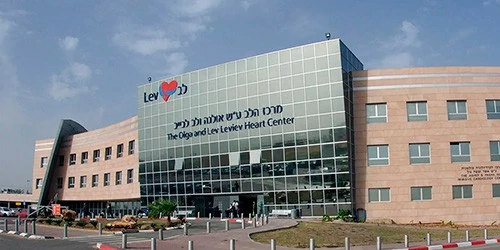
Leaders in the treatment of Hodgkin’s disease in adults are overseas clinics such as Liv, Teknon, Medicana, Sheba, SoonChunHyang and the University Hospital of Cologne.
To go for cancer treatment abroad, please contact the medical coordinators of the MediGlobe International Medical Platform. Our experts will find the medical centre that best suits your needs. They will contact the best oncologists and arrange a consultation with them.