


1. Causes and symptoms of neuropathy |
2. Methods of diagnosing neuropathy |
3. Treatment methods for neuropathy |
4. Clinics for the treatment of neuropathy after chemotherapy |
Neuropathy after chemotherapy is nerve damage caused by the toxic effects of chemotherapy drugs. It is manifested by pain, numbness, tingling and weakness in the extremities, significantly affecting the ability to perform daily tasks and impairing the quality of life of patients. According to statistics, up to 50% of patients undergoing chemotherapy experience this complication. The world’s leading clinics are actively developing and applying various approaches to the treatment of this neuropathy – drug therapy, physiotherapy, electrical nerve stimulation, neuromodulation and others. Treatment allows you to get rid of severe symptoms and improve your quality of life. Read more about this condition below.
What is peripheral neuropathy and why does it develop after chemotherapy?
The peripheral nervous system controls the basic functions of the body. It is responsible for motor activity, and sensory organs such as hearing, smell, taste and touch, and controls breathing and digestion. When the peripheral nervous system is damaged for any reason, neuropathy develops.
Unfortunately, for many cancer patients, neuropathy becomes a side effect of chemotherapy. This condition is commonly referred to as chemotherapy-induced peripheral neuropathy (CIPN). The cause of the complication depends on various factors, such as the type and dosage of chemotherapy drugs, as well as the individual characteristics of the patient. According to various reports, neuropathy after chemotherapy affects between 20% and 85% of patients.

A 2014 study involving 90 participants undergoing chemotherapy found that about half of them suffered from neuropathy. 6,7% of participants reported that neuropathy during chemotherapy was a major symptom.
This condition develops due to the toxic effects of chemotherapy drugs on nerves, causing them to break down. In addition, chemotherapy can narrow the blood vessels that feed the nerves, causing a lack of oxygen and nutrients. Cancer drugs can also provoke inflammatory reactions in the body, which negatively affects nerve fibres.
The following drugs most commonly cause neuropathy:
 platinum drugs;
taxanes;
plant alkaloids;
immunomodulatory drugs;
proteasome inhibitors.
Peripheral neuropathy after chemotherapy may present with the following symptoms:
tingling in the hands and feet;
burning or warm sensation;
numbness in the extremities;
weakness and loss of balance;
discomfort or pain;
decreased ability to feel hot or cold;
cramps (usually in the legs);
bowel problems.
These symptoms can severely impair quality of life, making it difficult to perform everyday tasks such as walking, writing, buttoning, picking up and holding small objects, etc. Without appropriate treatment, CIPN can persist for weeks, months or even years. In severe cases, it can lead to impaired heart function and blood pressure, breathing problems, falls, inability to move independently, and a high risk of burns.
It is important to seek medical attention promptly when symptoms of neuropathy after chemotherapy appear in adults or children. Modern treatment methods are used abroad to eliminate complications and rehabilitation after cancer therapy, which allows to get rid of unpleasant symptoms and improve health in the shortest possible time. Contact MediGlobus to choose a clinic for recovery, make an appointment with a doctor, prepare documents and organise a trip for treatment.
Diagnosis of neuropathy
To accurately determine the presence of peripheral neuropathy, several examinations and tests must be performed. The main methods of diagnosis include:
Collection of anamnesis. The doctor will ask questions about your habits, exposure to toxins, alcohol consumption, medical procedures performed and the presence of diseases of the nervous system in the family.
Physical and neurological examination. The doctor will check your movement coordination, muscle strength and reflexes.
Blood tests. These will help detect exposure to harmful chemicals and problems with the immune system.
Genetic tests. Usually done in a laboratory to identify hereditary factors.
Electromyogram. This is a diagnostic test that measures the health of nerves and the muscles they control.
Nerve conduction velocity study. This test measures the speed at which electrical impulses travel through the nerves.
Diagnostic imaging (MRI, CT scan, ultrasound). Helps identify possible causes of neuropathy, such as tumours, herniated discs and abnormalities of veins or arteries.
Neuropathy is a dangerous complication that can significantly complicate a person’s life after cancer treatment. To stop the disease, it is recommended to seek medical help with the first symptoms. MediGlobus specialists can help with choosing a hospital and doctor, as well as organising the whole trip. Click on the button below to book an appointment for toxic neuropathy treatment after chemotherapy.
Treatment methods for neuropathy after chemotherapy
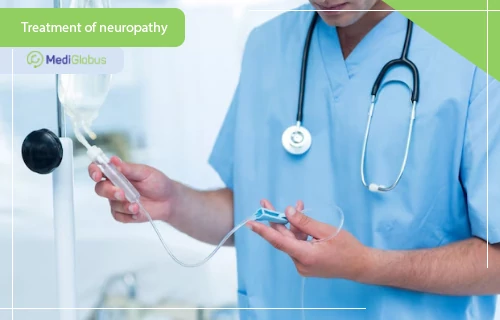
Although neuropathy cannot be completely cured, there are various ways to treat and prevent its progression. If neuropathy has developed due to chemotherapy, the doctor may review the current treatment and change the dosage or the drug causing such complications. Current therapies for CIPN are mainly based on the use of medications. These drugs can be effective, but they also have serious side effects that need to be considered when prescribing them. In addition, alternative methods such as physiotherapy, acupuncture, electrical stimulation, etc. can be useful for pain management and reducing other symptoms of neuropathy.
Although conservative treatment with comprehensive pain control and physiotherapy is often used as the first line of therapy, there are additional modalities that may be useful. There is increasing evidence for the effectiveness of spinal cord stimulation (SCS) and dorsal root ganglion (DRG) stimulation. These neuromodulation techniques can be used as adjunctive therapy to conservative treatment or as a second line of therapy for patients whose symptoms do not respond to conventional treatments.
Drug treatment of polyneuropathy after chemotherapy
The following medications are quite successful in treating some symptoms of neuropathy after chemotherapy:
Anticonvulsants help block electrical signals in the nervous system, reducing pain.
Antidepressants can relieve the pain of neuropathy. They are often used in combination with other treatments. Some drugs have shown significant results in reducing pain and reducing numbness in patients with neuropathy during studies conducted by the NCI.
Opioids are used to treat severe pain that cannot be relieved by other means. These medications are used with caution because of the risk of addiction.
Topical agents such as gels, lotions and patches can be applied directly to the affected areas. They can bring relief for minor discomfort and are often available over the counter.
Physiotherapy for neuropathy
Physiotherapy plays an important role in the treatment of neuropathy. It helps to reduce symptoms, improve blood circulation, restore nerve function and improve the quality of life of patients. The inclusion of physiotherapy in the complex treatment of neuropathy can achieve significant results.
The main methods of physiotherapy in neuropathy:
Electrotherapy | Transcutaneous electrical nerve stimulation (TENS) helps to reduce pain and improve nerve conduction and blood circulation. Electromyostimulation (EMS) is used to stimulate muscles and improve their tone and strength, which is especially important for muscle weakness associated with neuropathy. |
Magnetotherapy | The application of magnetic fields to improve blood circulation and accelerate nerve tissue regeneration. This method helps to reduce pain and inflammation. |
Ultrasound therapy | The use of ultrasound waves helps to reduce inflammation, stimulate blood circulation and accelerate the healing of nerve damage. |
Laser therapy | Stimulates nerve tissue regeneration and helps reduce pain and inflammation. Laser therapy also improves cell metabolism and speeds up the recovery process. |
Physiotherapy exercises | A set of special exercises helps to strengthen muscles and improve coordination and flexibility. This helps to reduce the symptoms of neuropathy and improves the quality of life of patients. |
Massage | Massage techniques help improve blood circulation, reduce muscle tension and stimulate nerve conduction. A study published in the journal Oncology Nursing News noted that people who developed CIPN as a result of multiple myeloma treatment showed significant improvement in symptoms after massage sessions. |
Neuromodulation
Spinal cord stimulation (SCS) is a new and promising treatment for CIPN that effectively relieves many of the severe symptoms. A thin electrode with a conductor is implanted in the space next to the spinal cord. It sends out weak electrical impulses that act on nerve endings, blocking pain signals travelling to the brain. Although SCS is considered a minimally invasive procedure, it is quite complex and requires some skill and practice from the doctor.
At the moment, this method is being actively researched. There are already many case reports of individual patient cases that show promising results from the use of this treatment.
In a study by Abd-Elsayed et al, which was conducted in 2016, 3 cases of successful application of SCS for treatment of resistant peripheral neuropathy were described. One of the patients with neuropathy after chemotherapy experienced significant pain relief even 3 years after implantation of the electrode.
In a study by Phan et al. 5 patients with neuropathy unresponsive to medication and interventional treatment experienced significant relief after SCS.
The Abd-Elsayed et al (2021) study involved a 47-year-old man with chemotherapy-induced neuropathy who had been unsuccessfully treating pain and other symptoms with conservative therapy for 8 years. As a result of spinal cord stimulation, he experienced a significant improvement in his well-being.
In a study by Cata et al. 2 patients with neuropathy showed significant improvement not only in pain levels but also in other measures, such as gait and leg flexibility, after SCS application.
Despite the encouraging results of individual cases, larger studies are needed to definitively confirm the efficacy of SCS in neuropathy. The studies mentioned above involved a small number of patients and there were no control groups.
Dorsal root ganglion (DRG) stimulation is a neuromodulation technique that targets a cluster of nerve cells located along the spinal cord. This method is already FDA-approved for the treatment of complex regional pain syndrome and is gaining popularity in the treatment of other neuropathic pain conditions. Research suggests that DRG stimulation may be more targeted and effective for the treatment of CIPN compared to traditional spinal cord stimulation. Results demonstrate that placement of the stimulator contributes to a significant reduction in paresthesias in the feet, decreased pain and improved overall patient well-being.
This is a minimally invasive procedure that should be performed by an experienced neurosurgeon, as it involves some risks of spinal cord injury.
Polyneuropathy after chemotherapy – treatment with regenerative medicine methods
PRP therapy (plasma-enriched plasma therapy)
PRP therapy is a regenerative treatment that involves the use of the patient’s blood. First, blood is drawn from the patient, then the plasma is enriched with platelets. The enriched plasma is then injected into the affected area. This procedure stimulates the body’s natural healing processes and promotes tissue regeneration. PRP therapy is a gentle treatment method that promotes accelerated recovery of damaged nerves and tissues, improving their function.
Mesenchymal Stem Cell Therapy (MSC therapy)
MSC therapy uses stem cells to repair and regenerate damaged tissue. During this procedure, stem cells are extracted from the patient’s fatty tissue, processed in a lab and then injected into the affected area, in this case, the soft tissue around the nerve. Stem cells can differentiate and repair damaged structures, making this therapy effective for treating neuropathy. MSC therapy is also a gentle and safe method that helps to improve the patient’s condition.
Regenerative therapies for neuropathy such as enriched plasma therapy and stem cell therapy have shown high efficacy in reducing pain and improving nerve functionality. However, patients who have been treated for cancer should be sure to discuss the possibility of therapy with their physician to avoid unwanted effects and to ensure that the treatment is safe.
Is neuropathy treatable?
The prognosis for treatment of peripheral neuropathy after chemotherapy depends on the degree of nerve damage and the individual characteristics of the patient. Although a complete cure for neuropathy is impossible, doctors can significantly improve the condition of patients, especially with a timely and comprehensive approach to therapy. In foreign clinics, treatment is carried out using traditional and the latest methods, which together allow patients to get rid of distressing symptoms in the shortest possible time and return to normal life. However, it is important to remember that the success of treatment requires constant supervision of the doctor and compliance with all recommendations.
 Read: Working with a psychologist is an important aspect of cancer therapy and recovery after treatment
Clinics for the treatment of neuropathy after chemotherapy
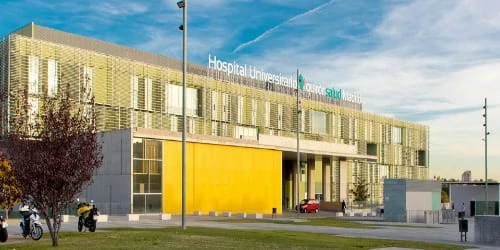
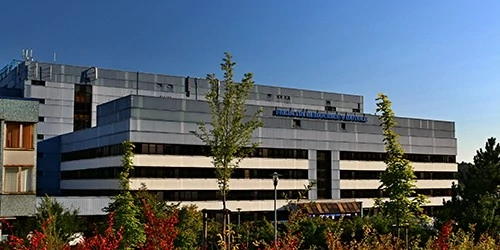
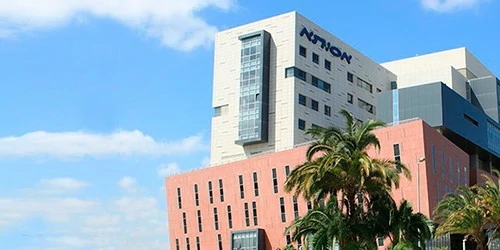
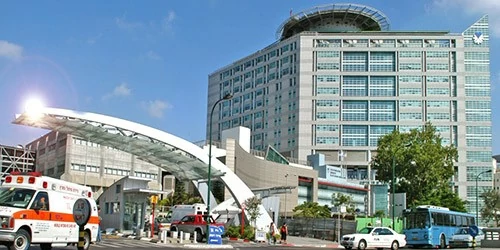
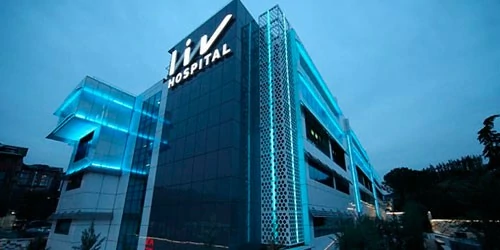
Treatment of neuropathy after chemotherapy is carried out in clinics specialising in oncology and neurology. Leading foreign medical centres offer various approaches and methods of therapy for neuropathy after chemotherapy – both medication and alternative treatments, including physiotherapy, neuromodulation and cell therapy. Patients are provided with expert care, a personalised approach and the latest therapeutic options.



Summary
One of the most common problems cancer patients face is post-chemotherapy neuropathy. Treatment of this condition is recommended to be conducted promptly to prevent the progression of symptoms and deterioration of the patient’s quality of life.
Symptoms such as pain, numbness, weakness, and loss of sensation in the extremities can be signs of peripheral neuropathy. Diagnosis is carried out to find out the cause of this condition and prescribe appropriate treatment. The examination includes several stages – collection of anamnesis, physical examination, and laboratory tests. Electroneuromyography is also prescribed to assess nerve conduction and identify damage. In some cases, MRI, CT or ultrasound is used for a detailed study of the state of the nerves and to exclude other causes of symptoms.
Neuropathy after chemotherapy requires a comprehensive approach and modern therapies to achieve the best results. In foreign clinics, doctors successfully use drug therapy, physiotherapy, neuromodulation and methods of regenerative medicine. Treatment helps to stop the process of nerve cell damage, eliminate symptoms and return the patient’s quality of life to normal.
Treatment of neuropathy after chemotherapy in foreign clinics is carried out per international standards, which ensures high efficiency and safety of therapy. Contact MediGlobus specialists to learn more about treatment options abroad. Click the button below and get a free consultation on the issue you are interested in.
Sources:
- 1. American Cancer Society
- 2. Medical News Today
- 3. Asian Pacific Journal of Cancer Prevention
- 4. Oncology Nursing News
- 5. Argyriou A, Kyritsis A, Makatsoris T, Kalofonos H. Chemotherapy-induced peripheral neuropathy in adults: a comprehensive update of the literature. Cancer Manag Res. 2014;6:135-147
- 6. Incidence, prevalence, and predictors of chemotherapy-induced peripheral neuropathy: A systematic review and meta-analysis
- 7. The Foundation for Peripheral Neuropathy
- 8. Aranke M, Kolcun G, Huh B, Javed S. Chemotherapy-Induced Peripheral Neuropathy Treatments. Pract Pain Manag. 2023 January/February;23(1)