


1. Signs of an aortic aneurysm |
2. Diagnostics of the disease |
3. Methods of treatment |
4. Results of surgery |
5. Recovery after surgery |
6. Cost of treating the pathology |
7. Leading clinics |
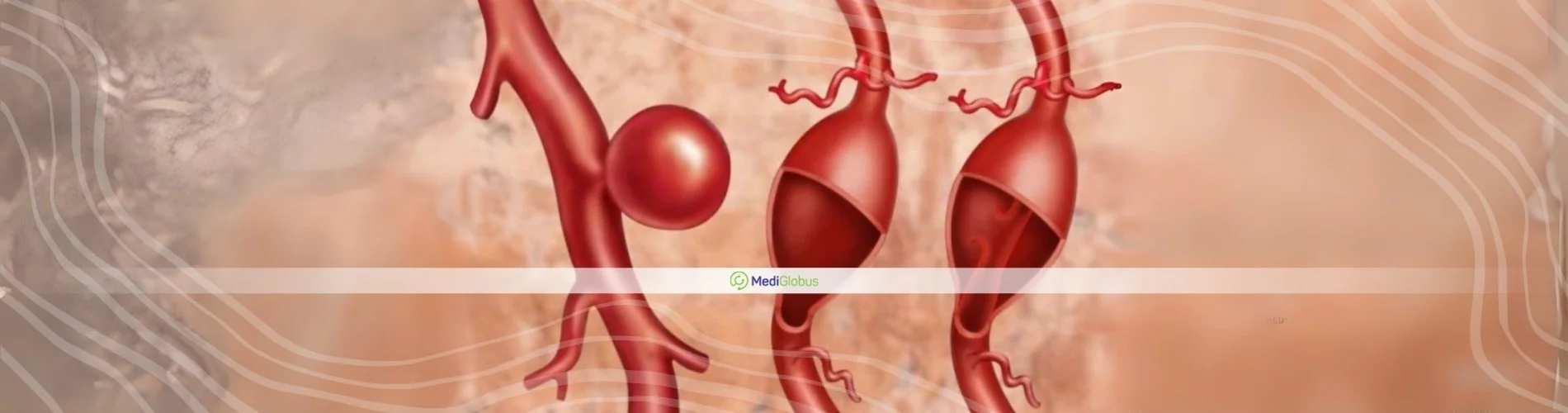
The aorta is the largest artery branching from the heart. It feeds blood to the whole body. Abnormalities in this part of the circulatory system can have serious and fatal consequences. An aortic aneurysm is a weakening of the walls of the vessel that causes it to enlarge and bulge. It is mainly atherosclerotic in origin. Congenital defects of the aorta or inflammation may also contribute to the disease. If the illness is ignored, the prognosis is poor – more than 90% of patients die within two years. Advances in cardiovascular surgery abroad have made it possible to completely cure any aneurysm. Find out how to recognise the disease in time and what is needed for its successful treatment from the MediGlobus article.

Listen to the article:
What are the symptoms of an aortic aneurysm?
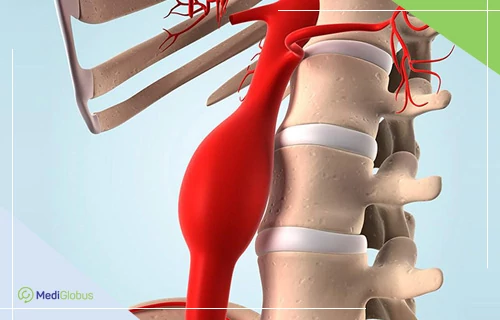
Aortic aneurysms can occur at any age, even in young people. It is most commonly diagnosed in patients aged 60-75. The disease predominantly affects the abdominal and thoracic aorta.
Abdominal aneurysm accounts for more than 90% of cases. It usually occurs in men aged 65 years and older. Vascular atherosclerosis is considered to be the key cause of the disease.
In 10% of patients with this type of aneurysm, there are no or only mild symptoms. The following signs may indicate the development of the disease:
 back pain,
throbbing sensation in the abdomen,
obstruction of food masses,
unexplained weight loss,
frequent belching,
feeling full in the stomach regardless of food intake,
abdominal discomfort and pain.
If an abdominal aortic aneurysm ruptures, patients will experience pallor, dizziness, nausea and vomiting, and severe abdominal or back pain. Such symptoms require immediate medical attention.
Thoracic aortic aneurysms occur with equal frequency in men and women. The risk of developing it increases with age. It can occur as a complication of the bicuspid aortic valve as well as the Marfan and Leus-Dietz syndromes.
Other causes of thoracic aneurysms include:
hypertension,
atherosclerosis of the blood vessels,
infectious diseases,
high blood cholesterol levels,
trauma to the chest.
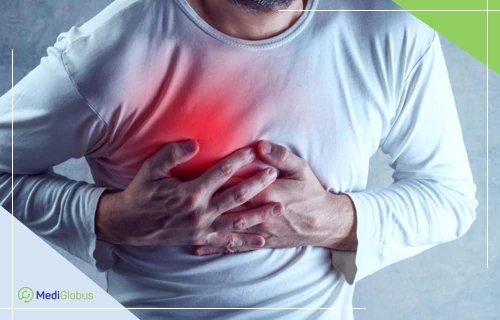
Regardless of why a person has a thoracic aortic aneurysm, symptoms may not appear for a long time. This is especially true for small aneurysms. As the disease progresses, patients may experience sharp pain in the chest and upper back that is not relieved by medication. This symptomatology is completed with:
respiratory distress,
difficulty swallowing,
choking,
pale face,
increased saliva secretion,
hoarseness of voice,
rapid heartbeat,
coughing.
To avoid missing the disease and avoid a dissection or rupture of the aortic wall, you should have regular comprehensive check-ups. This is especially true for patients over the age of 40. Early diagnosis of an aortic aneurysm increases the chances of a complete cure.
Diagnosis of an aortic aneurysm
Aortic aneurysms can split or rupture. This is a life-threatening condition. Half of all patients with a ruptured aorta die. Therefore, early diagnosis of the disease increases the chances of patients being saved. The following procedures are prescribed to detect the disease:
Abdominal ultrasound – helps to determine the location and size of the aneurysm.
CT scan and MPA – these methods of diagnosis help to determine whether the aneurysm is connected to the blood vessels of the kidneys or other organs. A CT scan is often indicated to monitor aneurysm growth.
Echocardiography is an ultrasound scan used to detect a thoracic aortic aneurysm. This is done by performing a transthoracic or transesophageal echocardiogram.
Angiography – allows you to assess the size and likelihood of dissection or rupture of the aneurysm.
Methods for treating an aortic aneurysm

Treatment depends on the location and size of the aneurysm, as well as the age and general health of the patient. Aneurysms smaller than 5 cm do not need immediate intervention. Regular check-ups with a doctor and an ultrasound or CT scan every six months to a year are usually sufficient. Large aneurysms that grow quickly and cause severe symptoms are treated surgically.
Surgery for aortic aneurysms is performed openly or endovascularly, through a puncture in the vessel wall. Internationally, more than 95% of such interventions are minimally invasive. Aortic stenting is a key method of correcting the abnormality.
In open aneurysm surgery, the doctor makes a large incision in the abdomen. He or she removes the damaged part of the vessel and replaces it with a synthetic tube called a stent graft. All incisions are closed and a dressing is applied in their place.
Minimally invasive endovascular aortic aneurysm surgery involves inserting a stent through the femoral artery. The surgeon makes a puncture in the vessel and uses a catheter to deliver a vascular graft to the affected area of the aorta. The stent placed inside the aneurysm is secured with small hooks.
Results of aortic dissection treatment
In 85% of cases, an aortic aneurysm can be repaired with a single intervention. The vascular graft is made of a material that is more durable than the weakened aorta. It allows blood to pass through the vessel without causing it to swell.
Recovery from surgery for an aortic aneurysm
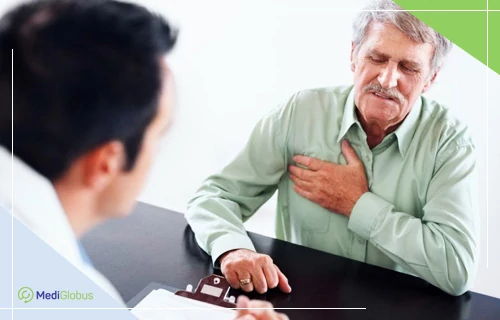
The length of stay in the hospital after aneurysm surgery depends on the surgical technique and the general condition of the patient. Usually, the patient will stay in the hospital for 3 to 7 days.
If the incisions are stitched or stapled, they will be removed after 1 to 3 weeks. Within a month after the intervention, the patient will be fatigued. This condition will go away on its own. After 4-6 weeks the person may return to normal activities. A full recovery takes 2-3 months.
During the year after the stent is inserted, regular check-ups such as CT scans must be performed. This allows the functionality of the graft to be assessed and any abnormalities to be corrected in time.
To make the recovery period as quick and easy as possible, the patient should follow the following guidelines:
If you feel tired, get plenty of rest. Getting enough sleep will help you recover faster.
Try to walk every day. Start with short walks in the fresh air. Gradually increase the distance walked. Walking improves blood flow and also prevents pneumonia and stool disorders.
For the first 3 months after surgery, avoid strenuous exercise and heavy lifting. Do breathing exercises.
Take care to eat a healthy diet and drink enough fluids. Take medication as recommended and prescribed by your doctor.
The cost of aortic aneurysm surgery
The cost of surgical treatment for an aortic aneurysm is based on the complexity of the disease, surgical technique, the level of the clinic and the qualifications of the doctor. The cheapest option is in medical centres in India and Turkey. Treatment in Western European hospitals will be a little more expensive. Approximate prices for aortic aneurysm surgery abroad are shown in the tables below.
Open surgery
| Procedure | Cost |
|---|---|
| Turkey | from $20,000 |
| India | from $15,000 |
| Germany | from €40,000 |
| Spain | from €37,000 |
Endovascular surgery
| Procedure | Cost |
|---|---|
| Turkey | from $10,000 |
| India | from $8,000 |
| Germany | from €18,000 |
| Spain | from €15,000 |
Where do they operate on aortic aneurysms abroad?








Summary
The diameter of the aorta is normally about 3 cm. In an aneurysm, it increases by a factor of 1.5-2.
An aortic aneurysm is an abnormal protrusion and enlargement of the wall of this vessel. It develops due to atherosclerosis, congenital abnormalities of the cardiovascular system and trauma. The abdominal and thoracic sections of the aorta are most commonly affected. Abdominal aneurysms account for more than 90% of all cases.
Symptoms of an aortic aneurysm often do not appear until the vessel has split. Signs of the pathology depend on the location and extent of the aortic lesion. Most commonly patients complain of sharp pain in the back, chest or abdomen as well as difficulty swallowing, breathlessness, irregular heartbeat, coughing, and pulsation in the abdominal area. If the aneurysm splits or ruptures, patients have increased pain and have a fainting state.
Vascular ultrasound, abdominal and chest X-ray, echocardiography, CT or MRI are helpful in the diagnosis of abdominal and thoracic aneurysms.
Drug therapy is considered the first line of defence against the disease. The patient is prescribed medicines to normalise blood pressure and lower blood cholesterol levels. Surgery is the mainstay of treatment for abdominal and thoracic aortic aneurysm complications.
The price of surgery for abdominal or thoracic aortic aneurysms is based on the complexity of the pathology. The price is also influenced by the level of the medical centre and the qualifications of the doctor. The starting price for stenting an abdominal aortic aneurysm is $8,000.
The leading clinics in the field of surgical treatment of aortic aneurysms abroad are Liv Vadistanbul, Teknon, Medistate, BLK, Navarra and the Leipzig Centre.
To choose the right clinic and doctor for your aortic aneurysm treatment abroad, fill out our application form. To do this, click the button below, enter your contact details and wait for our coordinator to call you. We will arrange your medical trip as soon as possible.