


According to the World Health Organisation, prostate cancer, breast cancer and gynaecological cancers can be associated with the disruption of hormones in the human body. Today these pathologies can be successfully treated with hormone therapy. Read this article to learn about indications for hormone therapy for cancer, how it works and which clinics carry it out.

Listen to the article:
What is hormone therapy?
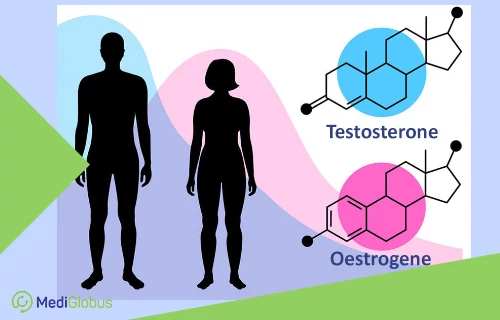
The hormones oestrogen and testosterone are responsible for the normal functioning and development of the organs of the sexual system. One of their main purposes is to control cell growth. When hormonal activity is disrupted, pathological processes begin to occur in the human body, which can lead to the formation of malignant tumours of the breast, prostate or female genital organs. Hormone therapy is prescribed to normalise hormone levels and block their pathological activity.
Hormone therapy is carried out for hormone-dependent neoplasms. These include breast, prostate, ovarian, cervical and adrenal tumours, as well as neuroendocrine tumours. Treatment is usually combined with chemotherapy, radiation therapy and surgery. Malignant neoplasms of the lungs, stomach, and colon do not depend on hormone activity, so therapy will not be effective in such cases.
BENEFITS:
Treatment does not have extensive harmful effects on healthy tissues and organs like chemotherapy or radiation therapy and is usually well tolerated by patients. For some pathologies, medication must be continued for a long time or for life. However, this in no way affects a person’s quality of life.
DISADVANTAGES:
The disadvantage is the narrow scope of the application. Some cases can lead to side effects. For example, when medication is taken for genital tumours in women, there is a risk of developing premature menopause.
Ask a MediGlobus medical specialist about the possibilities of hormone therapy in oncology.
What is the difference between hormone replacement therapy and hormone therapy?
Hormone therapy is often confused with hormone replacement therapy (HRT), even though these are two different areas. In contrast to hormone therapy for malignancies, HZT is prescribed to compensate for hormone deficiencies. This deficiency occurs during menopause and after partial or total removal of the ovaries, prostate or thyroid gland. This results in undesirable effects. In women, these are hot flashes, dryness in the genitals, headaches and other unpleasant symptoms. In men, erectile dysfunction and reduced sexual activity occur. To eliminate these symptoms and improve the quality of life, one needs to take hormonal treatment.
Take note! Hormone replacement therapy has contraindications and could provoke undesirable effects. This is why treatment should only be prescribed by a doctor after a general check-up of the patient’s body.
Hormone therapy for breast cancer
Hormone therapy for breast cancer is used for tumours that are sensitive to oestrogen or progesterone. Sensitivity is determined by an immunohistochemical test. It will show whether the tumour is ERC-positive (in which oestrogen receptors predominate) or PR-positive (in which progesterone receptors predominate).
The main aim of therapy is to stop the hormonal processes that cause cancer cells to grow. This is achieved by acting on the ovaries and adrenal glands, which are responsible for hormone production, or by blocking oestrogen from binding to receptors in malignant cells.
Treatment helps slow down and stop the growth of the tumour, and prevent the spread of the tumour process to other breast tissues. In addition, therapy is prescribed for metastases.
There are two types of hormone therapy for breast cancer: adjuvant and neoadjuvant. Adjuvant therapy is carried out after surgery, chemotherapy and radiation to eliminate residual malignant cells and prevent recurrence. Neoadjuvant therapy is indicated if the neoplasm is large, to reduce its size before surgery.

Hormone therapy drugs for breast cancer are differentiated according to their direction of action:
 Suppression of ovarian function to reduce oestrogen production;
Reducing the production of aromatase enzymes responsible for oestrogen synthesis (mainly indicated for therapy in postmenopausal patients);
Oestrogen receptor blockers (usually prescribed for pre-menopausal women);
Destruction of oestrogen receptors in tumour cells.
 Read:
Read: Hormone therapy for prostate cancer
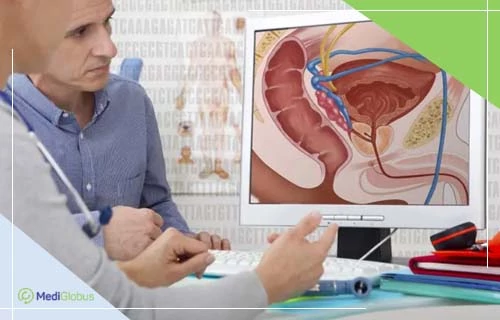
One of the causes of malignant prostate tumours is a result of testosterone activity. It is synthesised in the testicles (a paired male sex gland located in the scrotum). The goal of treatment is to reduce the production of testosterone and suppress its activity in the body. Hormone therapy for prostate malignancies increases the effectiveness of surgery, radiation therapy and chemotherapy.
Drugs for therapy of hormone-dependent prostate tumours are divided into 2 types:
Drugs that inhibit the function of testosterone production;
Drugs that prevent the hormone from attaching to receptors in the cancer cells and prevent them from dividing.
How is hormone therapy carried out?
Hormone therapy is administered orally, by injection or intravenously. The duration of therapy depends on the type of medication, the type of tumour, the stage of the disease and the patient’s susceptibility to side effects. Medication is taken every day, once a month and several times a month or as needed. In some cancers, medication may be taken for life. In certain cases, hormone levels in the body have to be monitored during therapy.
Side effects of hormone therapy
It is important to understand that taking medicines affects people differently. The occurrence of side effects depends both on the medicine itself and on the individual characteristics of the patient’s body. The risks and benefits must therefore be weighed against each other when deciding on treatment.
Side effects in men with hormone therapy for prostate cancer:
Fever;
Decreased sex drive, erectile function;
Gastrointestinal disorders;
General fatigue;
Weight gain.
Side effects in women when taking hormonal drugs for breast cancer or gynaecological tumours:
Hot flashes;
Dryness and irritation in the vaginal area;
Changes in the menstrual cycle;
Irritability;
Increased fatigue.
Prognosis after hormone therapy
The effectiveness depends on the stage and type of cancer, the presence of concomitant diseases, the general condition of the patient and the methods of treatment. Most tumours respond well to treatment with timely comprehensive therapy. According to data from the American Cancer Society and the National Cancer Institute (NCI), the 5-year survival rate for stage 1 and 2 ovarian tumours is 73%-94%. Adding hormone therapy to the treatment of breast cancer reduces mortality from the disease by 25%. Timely treatment of prostate cancer helps 97% of men recover.
Contact MediGlobus to learn more about cancer treatment in the best clinics worldwide.
Benefits of hormone therapy abroad
Foreign scientists are actively searching for effective methods to fight cancer. In recent years, hormone therapy preparations have been developed, which are characterised by increased safety and efficacy. After clinical trials, the new drugs are immediately introduced into medical practice. Therefore, a wider choice of medicines is available to patients abroad. Modern drugs have fewer serious side effects. This allows patients to better tolerate treatment and continue to live a normal life.
Abroad, before cancer treatment, the patient is thoroughly examined, and the sensitivity of malignant cells to the substances of medications is studied. The use of modern technologies makes it possible to select the most suitable drug for each case.
Hormone therapy clinics abroad
Modern treatment methods for breast cancer, gynaecological tumours and prostate cancer are provided in oncological departments of clinics in Turkey, Israel, Spain and Austria. Here, the latest technologies, equipment and medications are applied to fight cancer. Therapy is carried out following international protocols, which ensures the highest efficiency and patient safety.





The cost of hormonal cancer therapy abroad in 2023
The cost of cancer treatment in foreign clinics depends on many factors: country, clinic, type and stage of cancer, therapy methods, and length of stay in a medical facility. Please contact a MediGlobus coordinator to ask about the cost of treatment in your specific case.
Approximate cost of oncologic consultation:
| Price | Cost |
|---|---|
| Turkey | from $115 |
| Spain | from €400 |
| Israel | from $650 |
| South Korea | from $80 |
| Germany | from €500 |
| Czech Republic | from €300 |
The story of a patient with stage 2 breast cancer
Rache learned she had hormone-dependent breast cancer at the age of 27. At the time of diagnosis, the disease had reached stage 2. Before starting treatment, Rache decided to save her eggs, as future therapy could have affected her ability to get pregnant naturally.
The first stage of therapy was neoadjuvant chemotherapy to reduce the size of the neoplasm. This was followed by targeted therapy and six more courses of chemotherapy. The next stage was hormonal therapy. Rache was given aromatase inhibitors to suppress oestrogen production. She then underwent a double mastectomy with reconstruction. The treatment process was not easy, but Rache learned to cope with the side effects. During her treatment, she met young people who also had cancer. The fellowship helped her overcome her depression.
Three years after her diagnosis, Rache can confidently say she has beaten cancer. She is now taking hormonal medication to prevent a recurrence and is seeing a doctor. She plans to have IVF treatment in the future. Here’s what Rache recalls: “To distract myself, I used to blog. It was my salvation, if I may say so because I felt so sick and helpless during chemotherapy. Know that it is a hard process and you will have difficult days. But you have to listen to your body and give it a chance to recover. As awful as cancer is, good things happen. I found a friendship I never thought I’d have.”
Story is taken from thepatientstory.com
Summary
Hormone therapy is prescribed for the treatment of hormone-dependent tumours of the breast, ovaries, cervix and prostate.
Cancer cells are tested for hormone sensitivity before therapy is prescribed.
Hormonal treatment reduces the size of the tumour, prevents the recurrence of the disease and prevents the formation of metastases.
Hormonal treatment may cause side effects: hot flashes, vaginal dryness in women, as well as reduced libido and erectile dysfunction in men.
Hormone therapy in combination with other methods increases the chances of recovery in patients with hormone-dependent cancers.
Cancer treatment according to international protocols is carried out in clinics in Turkey, Spain, Israel, and Austria.
If you want to take advantage of the possibilities of modern medicine for cancer treatment abroad, please contact the specialists of MediGlobus. We will help you make an appointment with a doctor and organise your trip. Just leave your phone number and wait for a call from a coordinator.

Sources:
- 1. National Breast Cancer Foundation
- 2. National Library of Medicine
- 3. National Cancer Institute
- 4. Hormone Therapy to Treat Cancer
- 5. Side Effects of Hormone Therapy
- 6. World Health Organization
- 7. The patient story