


1. Recurrence of leukaemia |
2. Symptoms of relapse |
3. Methods of treatment |
4. Prognosis of therapy |
5. Leading clinics |
Leukaemia is also known as blood cancer. It is a broad group of diseases that involves malignant changes in the hematopoietic system. The pathology can occur at any age. Leukaemia can be chronic or acute in its rate of progression and lymphocytic or myeloid in its cell type. The options for dealing with the disease are varied. However, after treatment, cancer may come back. Recurrence of leukaemia is not uncommon in many types of this disease. Find out what measures can be taken abroad for treatment of recurrent leukaemia, how effective it is and where to go for treatment, from our article.

Listen to the article:
Recurrent leukaemia in children and adults
Recurrence of leukaemia can happen after successful treatment in both adult patients and children. The exact causes of this are not known. But, certain factors increase the risk of blood cancers returning. Those are resistance to the initial control methods and the persistence of cancer cells that could not be detected in time with therapy.
The likelihood of leukaemia recurring also varies according to the type of pathology itself. For example:
Acute lymphoblastic leukaemia (ALL) | It is a type of leukaemia characterised by the production of an excessive number of immature lymphocytes. The disease predominantly affects children. It is one of the most common types of blood cancer in this category of patients. Adults may also suffer from the disease, but less frequently. Acute lymphoblastic leukaemia recurs in 10% of children and 50% of adults. It usually occurs within two years of treatment. |
Acute myeloid leukaemia (AML) | A type of leukaemia in which there is an increased number of immature leukocytes in the blood. The disease occurs in adults and children, but more often in the latter category. It is the second most common form of a blood cancer among babies under 2 years of age and adolescents. Relapse in acute myeloblastic leukaemia occurs 2 to 3 years after treatment in half of all patients. |
Chronic lymphatic leukaemia (CLL) | The disease involves increased production of immature lymphocytes and their gradual replacement by normal blood cells. It progresses slowly. Leukaemia is usually diagnosed in adults. However, there are cases of children developing the disease. Most patients will relapse within 5 years of starting treatment. |
Chronic myeloid leukaemia (CML) | This pathology involves a disturbance in the production of white blood cells. It develops slowly and is usually found in the elderly. More than 60% of patients have a recurrence of CML after the end of initial therapy. The majority of chronic myeloid leukaemia recurrences occur within the first six months. |
Each of the mentioned groups has its subtypes. This is taken into account when designing an oncotherapy programme and predicting the effectiveness of treatment. For an in-person or remote consultation about leukaemia recurrence with the best foreign doctors, leave an application on our website. We will help you to find a specialist who is most competent in your issue.
Symptoms of leukaemia relapse
In leukaemia, an excessive number of abnormal immature blood cells are produced in the bone marrow. They enter the bloodstream and gradually replace the healthy lymphocytes, red blood cells and white blood cells. This causes the symptoms of the disease to appear. In relapsed blood cancers, the symptoms are similar to those of the disease’s debut. Those include:
 increased body temperature,
night sweats,
enlarged lymph nodes,
frequent infections,
headaches and muscle aches,
increased fatigue and weakness,
bruises that appear for no apparent reason,
abdominal pain,
loss of appetite,
weight loss.
 Read:
Read: Treatment of relapsed leukaemia
After initial treatment, a relapse of blood cancer can occur again soon or after some time. The choice of methods of dealing with this pathology depends on the timing of its onset and type.
If leukaemia recurs early after treatment, the chances of success with single-drug therapy are greatly reduced. In most cases, a bone marrow transplant is indicated for such patients.
All types of leukaemia recurrence can be treated with chemotherapy. The intensity of this treatment will be higher than the original treatment. Patients need a combination of several drugs – polychemotherapy. The duration of the treatment programme is calculated on an individual basis.
Together with the chemotherapy drugs, the patient is given additional treatment for side effects that occur (nausea, vomiting, headache). Drugs are also used to prevent damage to the central nervous system by cancer cells.
If the chemo does not work or shows poor efficacy, patients are advised to have a bone marrow transplant (BMT). Usually, doctors perform donor transplantation. Donors can be first-line relatives or unrelated individuals from the Donor Bank.
In some types of acute lymphoblastic leukaemia, patients may be given immune therapy, particularly CAR-T cells. Sometimes chemotherapy is combined with radiation. This is necessary to remove metastases in the brain, neck, bones, etc.
Approaches to treating different types of relapsed leukaemia
Treatment involves intensive chemotherapy in several stages. Patients without serious comorbidities can be indicated BMT. Targeted or immune therapies can be used to alleviate symptoms.
Treatment involves intensive or non-intensive therapy. The aim of the former is to achieve remission and the latter to improve quality of life. Intensive treatment involves high-dose chemotherapy with BMT. Non-intensive treatments are less aggressive chemotherapy and immune or targeted therapies.
If a relapse of CLL develops several years after the initial treatment, the treatment programme may not change. These are chemotherapy, targeted drugs or immune drugs. Some patients will need BMT.
Relapsed CML is also treated with first- or second-line chemotherapy drugs in combination with targeted drugs (tyrosine kinase inhibitors) or immune drugs. An increased dosage of the drugs is possible. If patients develop resistance to these drugs, BMT is recommended.
For the treatment of leukaemia in adults or children abroad, contact the medical coordinators of the international medical platform MediGlobus. We will help you choose a clinic best suited to your requirements.
Predictions of relapse in acute and chronic leukaemia
The prognosis for relapsed leukaemia differs according to the type and severity of cancer, the duration of remission, the general health and the age of the patient. The choice of treatment will also influence the prognosis. The outlook for relapsed acute lymphoblastic or myeloid leukaemia is worse than for chronic leukaemia.
In children, the overall 5-year survival rate after a first relapse is about 50%, and in adults, it is about 10%.
At first relapse, children show a 5-year survival rate of 40% and adults about 46%.
Thanks to advances in modern medicine, many patients with chronic leukaemia can have a good life expectancy, even if they relapse. The 10-year overall survival rates for CML and CML are estimated to be 85% and 80-95%, respectively. Patients with a first remission of at least three years show the best prognosis.
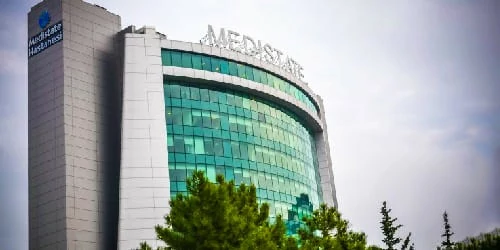
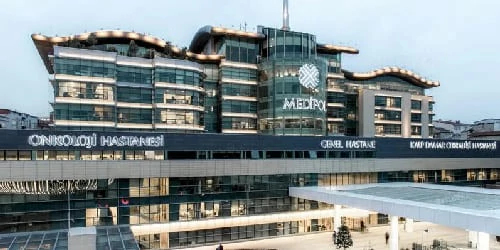
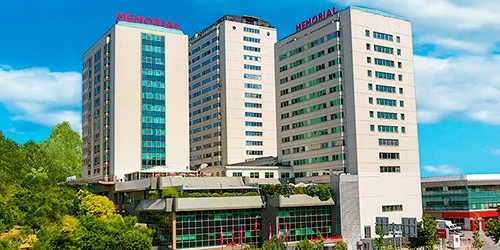
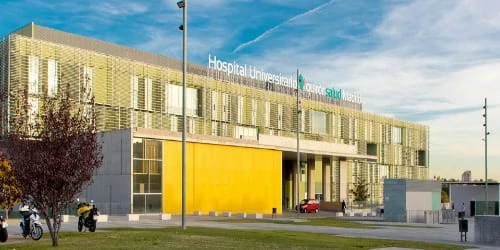
Where to treat relapsed leukaemia abroad?


Resume
The recurrence of leukaemia is the return of blood cancer after successful treatment. It occurs when not all of the cancer cells have been destroyed after the initial therapy, or if the disease has developed resistance to the tried and tested treatments. The development of relapsed leukaemia in adults and children depends on the type of disease.
The recurrence of leukaemia resembles its debut. A relapse has the following symptoms: increased body temperature, frequent infections, weight loss, bruises, constant fatigue, enlarged lymph nodes, headache, muscle weakness, etc.
Treatment for all types of leukaemia involves a more intensive programme of polychemotherapy. Targeted drugs, immune drugs and radiation therapy may also be used. In some cases, patients receive a bone marrow transplant after aggressive chemotherapy.
Acute forms are more common in children, while chronic forms are more common in adults and the elderly. The second variant has a more favourable treatment prognosis. The overall 10-year survival rate for chronic patients is 80-95%. In relapsed acute leukaemia, the 5-year survival rate is a maximum of 50%.
To travel to one of the leading clinics abroad for the treatment of leukaemia, click on the button below and fill in the feedback form. We will assist with all arrangements and be in touch with you 24/7.