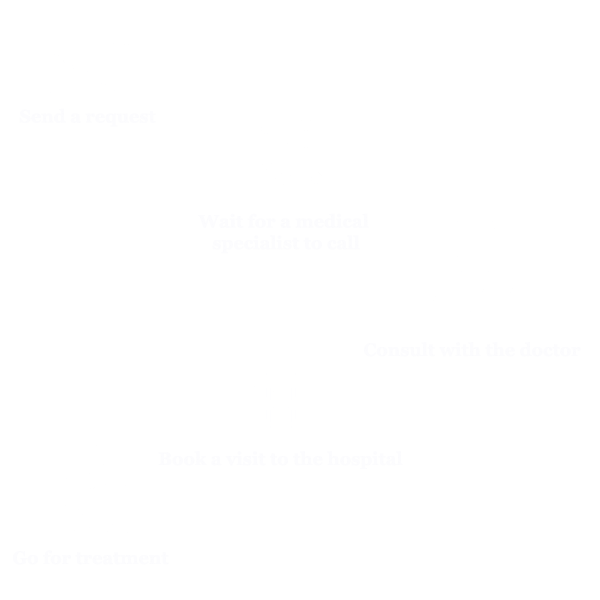



1. In what cases is a repeat BMT performed? |
2. Indications and contraindications |
3. How is a repeat BMT performed? |
4. Recovery from BMT |
5. The prognosis for repeat BMT |
6. Clinics for performing BMT |
Bone marrow transplantation is one of the most effective methods of achieving remission in lymphoma and leukaemia. However, in 10-50% of cases the disease relapses. A second bone marrow transplantation is possible for some of such patients. In 40-50% of cases, it allows to maintain remission and get rid of the disease.
In this article, we’ll talk more about the features of repeated bone marrow transplantation (BMT) treatment, the indications for this procedure, the prognosis, and the clinics we recommend you go to.

Listen to the article:
In what cases is a second bone marrow transplant performed?

Repeated bone marrow transplantation is a method of treating relapsed lymphoma, leukaemia, and other hematologic diseases. In addition, physicians use chemotherapy, lymphocyte transfusions, cytokinin therapy, adoptive immunotherapy, and withdrawal of immunosuppressive drugs. The difficulty in treating these patients is that many have developed resistance to chemotherapy, and their body is weakened from previous courses of treatment.
The likelihood of relapse varies depending on the type and stage of the disease, as well as cytogenetic risk factors. The average risk is 10-15% in acute lymphoblastic leukaemia, 50% in acute myeloid leukaemia, 20-40% in non-Hodgkin lymphoma, and 15% in Hodgkin lymphoma.
Not all patients need a second bone marrow transplant. Doctors recommend it if the benefits of treatment outweigh the possible risks.
In addition, second BMT is used when donor stem cells are rejected, but these situations are rare. In these cases, treatment is also supplemented with a stem cell transfusion to enhance engraftment.
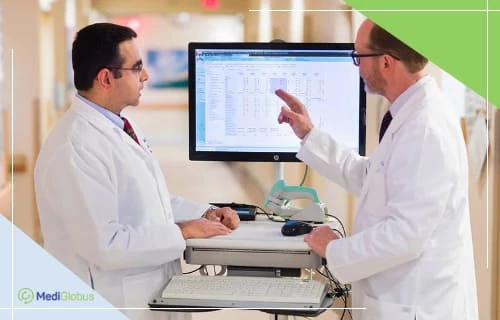
The risk of blood cancer relapse is the highest in the first 2 years after remission. For this reason, patients are always enrolled in an oncologic check-up programme so that the medical team can respond in time if their condition worsens. Diagnostic procedures usually involve a bone marrow biopsy and a CT or PET scan of the body.
A second bone marrow transplant is always allogeneic – a graft taken from another person. If tissue from an unrelated donor has already been used in the first transplant, there is no need to look for a new donor. The Center for International Blood and Marrow Transplant Research (CIBMTR) as well as the European Blood and Marrow Transplant Group (EBMT) state that finding a new donor does not improve the patient’s prognosis for a second transplant.
BONE MARROW TRANSPLANT ABROAD
MediGlobus coordinating physicians can help you select a bone marrow transplant clinic abroad and make travel arrangements in a matter of days. For a free consultation with our specialists, leave a request by clicking the button below.
Indications and contraindications for a second bone marrow transplant
Second bone marrow transplantation can be used for relapses of many hematologic diseases. However, most applicants for this procedure come in with a diagnosis of acute myeloid leukaemia.
An important factor in patient selection is achieving remission before the transplantation. This is usually accomplished by treatment with chemotherapy and other standard therapies. Achieving remission greatly improves a patient’s chances of recovery. The overall outcome is also influenced by factors such as the duration of response to the first treatment, the nature of that treatment, and the patient’s general condition at the time of relapse.
A factor that is also taken into account when prescribing repeated BMT is the timing of relapse. Patients who have been in remission for more than a year are more likely to be prescribed this procedure because their prognosis will be better.
Cellular, vaccine or drug therapy to prevent initial relapse after transplantation plays a major role in the treatment of patients with leukaemia. Nevertheless, in some cases, a second transplant can be beneficial and even lead to long-term survival without leukaemia.
 Read:
Read: How is a second bone marrow transplant performed?
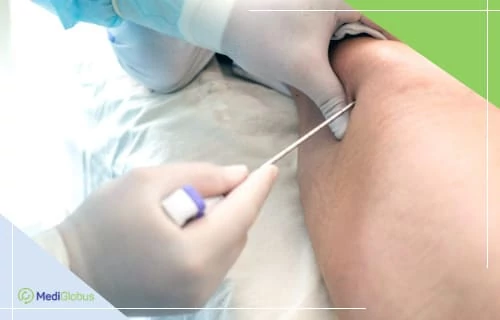
For the treatment of relapsed leukaemia, it is possible to use related, unrelated and haploidentical (partially compatible) bone marrow donors.
As with a conventional bone marrow transplant, the oncologist follows a standard regimen:
 Collection and preparation of stem cells from a donor;
Preparing the patient for BMT – destroying cancer cells with chemotherapy and/or radiation therapy;
Introduction of healthy stem cells into the patient’s bloodstream, beginning bone marrow self-repair;
Inpatient rehabilitation for a period of immune impairment.
Because in the second BMT patients enter treatment in a weakened state after previous courses of oncotherapy, physicians use a mitigated approach. This is called reduced-intensity conditioning – using lower doses of chemotherapy and radiation therapy in preparation for the patient’s BMT. This approach is less toxic to the body. Depending on the diagnosis, the patient’s condition, and the presence of chemoresistance, the doctor may use the same drugs as the first course of treatment, or prescribe new ones.
Many oncology centres remove T-lymphocytes when performing a second bone marrow transplant at the stage of donor material preparation. This reduces the risk of graft rejection.
As a preventive measure against the development of another relapse, doctors may also prescribe myeloablative conditioning – general body irradiation and/or alkylating agents in doses that interfere with the autologous hematologic repair.
Recovery from a bone marrow transplant
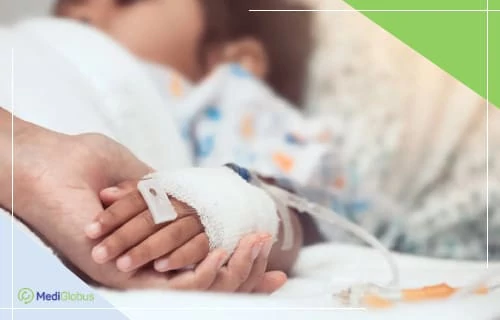
The recovery process after a second bone marrow transplant is the same as the first procedure. The treatment leaves the patient in a weakened state and they will be at increased risk of infections and bleeding for the initial period. The medical team will prescribe preventive treatment to avoid these complications, as well as respiratory and renal disease, graft rejection, and to cope with pain. In most cases, patients receive transfusions of donor neutrophils and platelets for better body function. Foreign clinics that specialize in bone marrow transplants have their blood banks, so relatives do not need to worry about finding a donor for this procedure.
The patient’s period of stay in the clinic usually lasts 30 to 60 days. After that, they will need to live near the hospital where the treatment took place for 1-3 months to have regular check-ups and examinations. Full recovery from BMT can take up to a year.
The prognosis for second bone marrow transplantation
The prognosis of patients after repeat bone marrow transplantation depends primarily on the length of time between first remission and relapse. On average, the survival rate among patients with less than a year of remission is half that of those whose remission lasted longer. The largest data analysis to date gathered by the Center for International Blood and Marrow Transplant Research showed that only 23% of patients in short remission lived more than a year after their second relapse. The five-year survival rate for patients whose remission lasted 2-3 years was 30%, and for those whose remission lasted more than 3 years, it was 40%.
Factors that positively influence the prognosis of a second bone marrow transplant include:
relapse occurring +18 months after primary BMT;
achievement of complete remission after the second relapse;
absence of active infections at the time of treatment;
complete irradiation of the body;
a score above 90% on the Karnofsky scale;
absence of circulating blasts (immature blood cells) in the blood at the time of relapse;
cytomegalovirus-seronegative state.
In the presence of these positive factors, the prognosis of patient survival can rise to 53%.
For children with relapsed leukaemia, factors that positively influence the prognosis for a second brain transplant are:
chronic myeloid leukaemia;
younger age;
a longer period of remission between the first and second BMT;
absence of infections, diseases and other complications;
no graft rejection reaction during the first BMT.
Just as with primary leukaemia treatment, the most acute period is the first two years after achieving remission. If the disease does not return during this time, the risk of another relapse is significantly reduced.
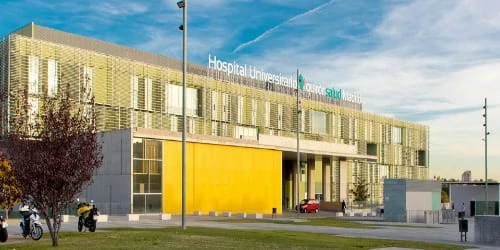
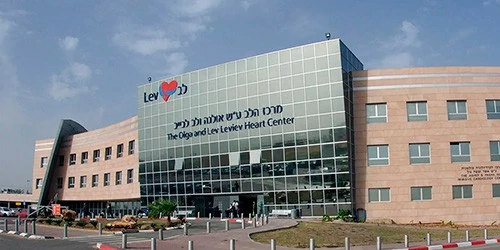
Clinics for BMT
The main advantage of a bone marrow transplant abroad is access to the International Donor Bank. The second major advantage is the strict protocols for patient preparation and treatment, resulting in a better survival rate and lower complication rate.




Resume
Second bone marrow transplantation is performed for relapsed lymphomas and leukaemias as well as other hematologic diseases such as aplastic anaemia or multiple myeloma. It is also possible in rare cases where the first procedure was unsuccessful.
In a second bone marrow transplant, tissues from the same donor as in the first procedure can be used. The type of BMT – from a related or unrelated donor – does not affect the patient’s prognosis.
The main factors influencing the prognosis of a second bone marrow transplantation are the duration of remission between the first and second BMT and the ability to achieve remission before the second BMT. The survival rate of patients whose remission lasted more than a year is significantly higher.
The treatment process for a repeat bone marrow transplant is similar to the first. However, doctors usually use milder chemotherapy protocols and prescribe total body irradiation if possible.
MediGlobus recommends visiting clinics in Spain, Turkey, Germany and Israel for bone marrow transplants. Quiron Madrid Hospital, University Hospital of Navarra, Koç University Hospital, Liv Ankara Clinic, Rechts der Isar Clinic and Chaim Sheba Hospital have great experience in this procedure.
BONE MARROW TRANSPLANT ABROAD
MediGlobus International Platform provides free assistance in finding a bone marrow transplant clinic abroad and arranging treatment. We take care of all organizational issues – finding a clinic, communication with the doctor, transfer, translator, etc.
Источники:
- 1. Best practice & research. Clinical haematology: The role of second transplants for leukemia
- 2. Experimental Hematology & Oncology: Outcomes following second allogeneic stem cell transplant for disease relapse after T cell depleted transplant correlate with remission status and remission duration after the first transplant
- 3. Lymphoid Neoplasia: The myth of the second remission of acute leukemia in the adult
- 4. American Society for Blood and Marrow Transplantation: Outcomes After Second Hematopoietic Cell Transplant for Children and Young Adults with Relapsed Acute Leukemia