
NEEDS SUPPORT?
Call me back

Leave your phone number and our Medical Coordinator will contact you

Leave your phone number and our Medical Coordinator will contact you

West German Proton Therapy Center (WPE)
The specialists of the MEDIGLOBUS Support Team will help you to get an individual Treatment Plan with a Price Quote.

West German Proton Therapy Center (WPE)

Essen, Germany

Clinic Review

West German Proton Therapy Center (WPE)

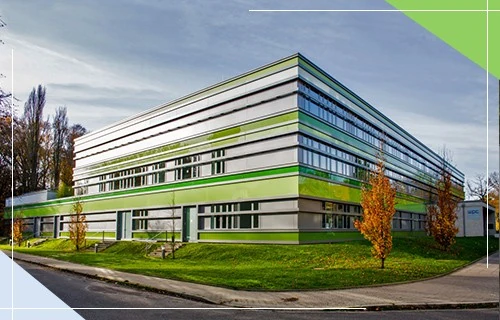
The West German Proton Therapy Center in Essen opened in the summer of 2013. Since then, it has become one of the largest centres in Europe, with people from all over the world coming there for treatment. In December 2019, the centre received its 2,000th patient. His story can be found at the end of this article.
The treatments, available at the West German Center in Essen:

  • intensity-modulated proton therapy (IMPT);
  • pencil beam scanning (PBS);
  • proton therapy with simultaneous radiation amplification (SIB).

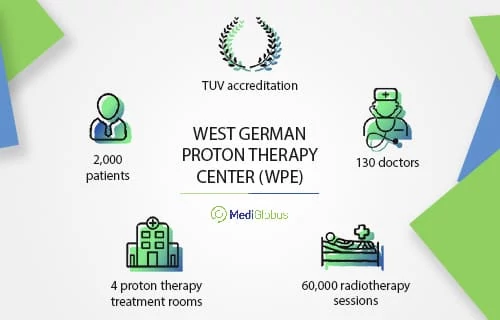
The clinic’s staff consists of 130 people, including doctors, medical and technical assistants, and experts in medical physics. The entire staff speaks English. If necessary, an interpreter can be provided for the patient.

The WPE Proton Therapy Center works closely with the University Hospital Essen as well as the West German Cancer Center (WTZ). Thanks to this cooperation, the clinics can share their expertise in oncology treatment. The agreement allows patients from WPE to be admitted to these centres for inpatient care, parallel courses of chemotherapy and other treatments.

Statistics and infrastructure of the West German Proton Therapy Center Essen

During its 6.5 years of operation, the West German Proton Therapy Center has performed:

  • treatment for 2,000 patients from 39 countries;
  • therapy for 1,000 children;
  • 60,000 radiotherapy sessions;
  • conducted 5,000 treatment plans;

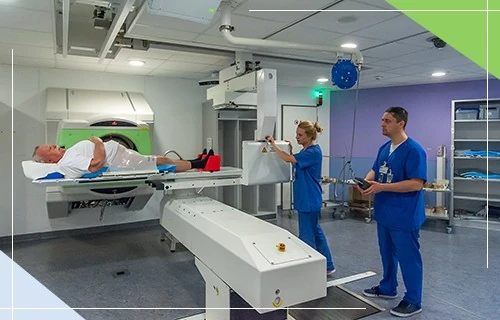
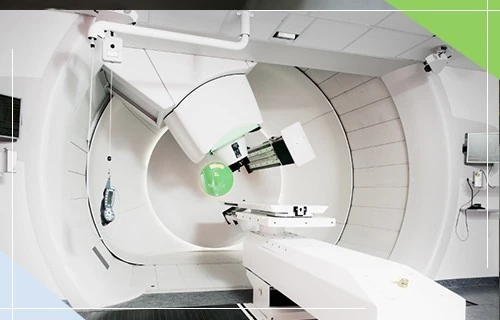
The West German Proton Therapy Center (WPE) has four outpatient rooms. Three of them are equipped with movable gantry emitters, which can rotate at 360 degrees. One room has a stationary proton beamer.

West German Proton Therapy Center (WPE)

Accreditations of the West German Proton Therapy Center in Essen

Treatment of dangerous diseases requires careful selection of a clinic. It is important for the cancer patient that the medical facility is equipped with modern models of medical equipment. This way the treatment process will be less painful and the risk of negative impact on health will be dramatically reduced. For international patients, it is important that the clinic staff can meet them, accommodate them and provide an interpreter. Accreditations are a guarantee that all this will be realized.

The West German Proton Therapy Center in Essen is accredited by reputable European organizations:

  • TÜV ISO:9001 – quality assessment of patient care by a German expert organization;
  • OnkoZert certification means that the clinic staff takes good care of cancer patients. Visitors receive answers to all their questions, the staff provide them with the necessary medications and the doctors monitor the patient’s condition during the treatment.

Professor Beate Timmermann from the WPE Center is a member of PRIMO MEDICO, which brings together distinguished doctors throughout Europe. She is a radiation oncologist and a neuro-oncologist.

What documents are required for treatment at the West German Proton Therapy Center Essen?

Before enrolling in proton therapy, a set of documents must be sent to the West German Center:

  • a letter to the doctor describing your situation;
  • results of laboratory tests, histological and cytological tests (if any);
  • medical report (if any);
  • MRI/CT results in the form of scans and written reports.

Documentation must be in English or German. Sending the papers to the clinic is necessary for the doctors to decide on the possibility of proton therapy on an individual basis. The answer from the clinic comes within 2-3 working days.

MediGlobus can help you collect, process, translate and send documents to the clinic. Our coordinating physicians have considerable experience in organizing the treatment of cancer patients abroad. We provide our services free of charge.

Features of the Clinic

How does proton therapy work?

Proton therapy is a method of treating cancer using a stream of ionizing radiation, which consists of protons. Proton beams destroy the DNA of cancer cells and stop them from dividing and spreading through the body. Unlike radiotherapy, the radiation in proton therapy is not uniform. This allows doctors to target tumours without affecting healthy tissue.

Proton therapy is considered revolutionary in the treatment of cancer, and for good reasons:

  • Proton therapy can help people who cannot have their tumours surgically removed. It is also effective in treating tumours of the head, neck, and central nervous system.
  • There are fewer side effects after proton therapy. The risk of developing a second cancer is also reduced.
  • Proton therapy is safer for children and the elderly.
Proton Therapy
Consultation with an oncologist and a radiologist
CT, MRI exam
Side effect monitoring
Individual approach

Get a free consultation

How is proton therapy administered at the WPE Center in Essen?

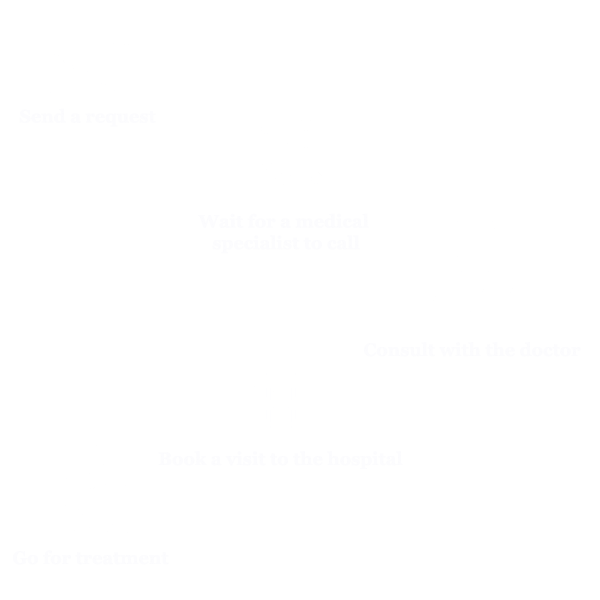
If the specialists at the clinic decide that proton therapy can help the patient, then they send an invitation for treatment.

First Day – Counseling

On the first day of stay, the patient is given a tour of the clinic and is introduced to the doctor. He or she is given a 3-hour consultation, discussing the indications, goals of therapy, current diagnostic results, therapy process and possible risks. After this, the patient has time to make a final decision on undergoing proton therapy at the West German Center for Proton Therapy WPE.

Day Two – Diagnostics

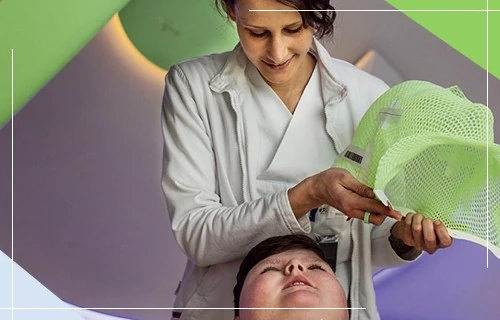
On the second day, the patient is prepared for the procedure. During the irradiation, one must lie still, as the irradiation takes place with an accuracy of 1 mm. Therefore, the patient is measured and the nurses prepare personal positioning aids: a pillow, a mask or a plaster cast. They will ensure the immobility of the irradiated area.

On the same day, the patient undergoes a computed tomography (CT) and magnetic resonance imaging (MRI) scan on state-of-the-art machines. As a result, the doctor will receive accurate three-dimensional images of the tumour. These will help the medical team to draw up the duration and number of courses, the radiation dose, and the treatment prognosis. The final treatment plan is formed within 2 weeks, the actual treatment may be scheduled on the third day.

West German Proton Therapy Center (WPE)

Day 3 and beyond – treatment

Proton therapy at the WPE Center is performed on an outpatient basis, which means that the patient does not need to be in the clinic all the time. The treatment process is divided into several sessions: it is safer to receive small doses of radiation regularly than a single strong dose. Depending on indications, the course may take from 2 to 8 weeks. The patient must come to the clinic every day 5 times a week. The procedure takes 60 minutes, of which no more than 2 minutes is spent on the irradiation itself. The rest of the time is spent setting up the equipment and accommodating the patient.

What types of cancer can be treated with proton therapy at the WPE Clinic in Essen?

Proton therapy can help patients with inoperable or aggressive tumours. It works for patients who have been diagnosed with:

  • stage 2 or 3 gliomas;
  • glioblastoma;
  • meningioma;
  • adenoma of the pituitary gland;
  • chordoma of the skull or pelvis;
  • chondrosarcoma of the spine;
  • prostate cancer;
  • cancer recurrence.

In 2019, WPE participated in a clinical trial of proton therapy in the treatment of eye cancer with U.S. clinics.

Proton therapy device at the WPE Clinic in Essen

West German Proton Therapy Center (WPE)

The WPE is equipped with a 230 MeV cyclotron. It provides an irradiation accuracy of up to 0.25 degrees. The cyclotron creates a magnetic field in which protons move. The powerful cyclotron at the WPE centre can accelerate protons to ⅔ of the speed of light. The faster the acceleration, the more powerful the irradiation and the shorter the procedure will take. It normally takes up to 120 seconds to irradiate a tumour on a cyclotron at the West German Proton Therapy Center.

A special feature of the West German Proton Therapy Center is the availability of a new treatment method, pencil beam scanning (PBS).

Before the procedure, doctors build a 5-dimensional model of the tumour. This allows them to consider its location, size, and thickness in different locations. The accelerator then creates a beam as thick as the tip of a pencil. This complex procedure is the most accurate and safest method of irradiating tumours available.

Treatment of children at the West German Proton Therapy Center in Essen

Proton therapy treatments for children at WPE comply with national guidelines of the Society of Pediatric Oncology and Hematology (GPOH) and the International Society of Pediatric Oncology (SIOP).

Proton therapy can treat these types of cancer in children:

  • tumours of the central nervous system – neuroblastomas;
  • tumours of the spine;
  • head tumours – medulloblastomas, ependymomas, etc.
  • neck tumours.

Children tolerate proton therapy well and can go about their normal activities during treatment: studying at school or socializing with friends. Proton therapy for children under 5 years of age is carried out under anaesthesia. Sedation is done by an experienced pediatric anesthesiologist. This is important because children are restless and need to remain completely still during the procedure.

The progress of treatment is monitored not only by specialists from the proton therapy centre. A pediatric oncologist from Essen University Hospital examines young patients every week.

The centre provides psychological help to children and their parents. A psychologist will help to overcome their fear of the procedure and give them hope for a successful treatment. At the initiative of WPE’s psychosocial service, comic book and fairy tale heroes often visit the children’s ward. Thus, in September, Batman, Spider-Man, Princess Anna, and Pippi Longstocking visited the ward. Their presence delighted the children and distracted them from their current problems and fears.

West German Proton Therapy Center (WPE)

KIAPT Project - Adapted Proton Therapy at the WPE Center in Essen

West German Proton Therapy Center (WPE)

The KiAPT project is a research project led by the West German Proton Therapy Center to develop a method for individually adapted proton therapy with visual monitoring. It involves combining proton therapy and MRI to change the treatment plan mid-course. This method is being created to safely treat children with head and neck tumours.

Forty children are now taking part in the study. In the beginning, oncologists took 3D photos of their tumours and recorded the volume and location of the neoplasms. Based on this information, they created a treatment plan for each patient. In the middle of the course, the children underwent MRI scans to monitor their condition. This is an important step in cancer therapy, as before the progress of treatment was monitored with CT scans.

A CT scan requires a small dose of a radioactive substance to be injected into a child’s body. At the same time, MRI does not cause external or internal radioactive radiation exposure. Monitoring results with magnetic resonance imaging is the best alternative for a growing child’s body according to WPE oncologists.

The new method will allow the treatment process to be adjusted depending on the reaction of the tumour and the body as a whole. For example, in the middle of a treatment course, when the tumour has shrunk, the doctor will be able to reduce the radius or dose of radiation. Changing the treatment plan for children with head tumours of the neck is important because these frequent areas are vital. KiAPT will help protect healthy cells in the child’s body from radiation. Another benefit of KiAPT is to reduce the negative effects of treatment in the child’s future.

Cost of Treatment at the West German Proton Therapy Center WPE

Proton therapy is considered an expensive treatment. This is because the technology is new and the safest available. To find out the price of proton therapy at the West German WPE Center, leave your request with MediGlobus coordinators. We’ll call you back with answers to all your questions.

Patients from the EU who have public health insurance and an S2/E112 document are reimbursed for treatment. Patients without insurance must pay for the treatment before arrival at the clinic.

Patient Treatment Story at the West German Proton Therapy Center

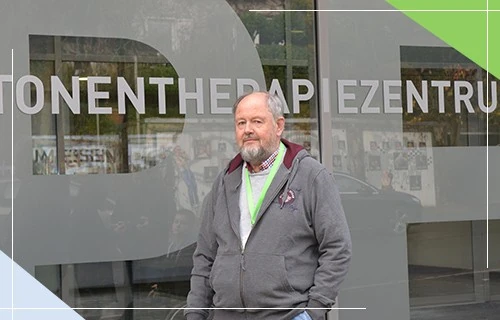
Franz Ott, a 71-year-old high school teacher from Bavaria, became the 2,000th patient at the proton therapy centre in Essen. The man was suffering from prostate cancer. At the WPE centre in Essen, he underwent 20 courses of proton therapy for four weeks. His course of treatment ended twice as quickly as expected. Franz did not experience any side effects.

He is grateful to the doctor who made his treatment plan for him and to the coordinators who were always in touch with him and helped him cope with his anxiety and fear.

West German Proton Therapy Center (WPE)

Testimonials (1)

Average clinic rating
  • 5
Denise
Age: 47 years

I am very grateful for the help I got in the clinic. The patient service is exellent. Thank you very much!

Certificates

TÜV ISO 9001
TÜV ISO 9001

Doctors

Senior Physician at the West German Proton Therapy Center Essen (WPE). Responsible for treatment plans and prognosis. He specializes in radiation and proton therapy for brain tumours, prostate tumours and sarcomas.
Specialization: radiotherapy, proton therapy.
Доктор Дирк Гейсмар
Dirk Geismar
Experience:
Oncology
She treats ENT tumours and prostate cancer at the West German Proton Therapy Center. Provides palliative care to patients.
Specialization: radiotherapy.
Доктор Барбара Винклер-Салеске
Barbara Winckler-Saleske
Experience:
Oncology
From 2010 to 2014, she worked at the Alfred Krupp Clinic. In 2014-2015, she was part of the medical team at RNR Medical Supply Centers. Dr Guntrum now practices as a senior physician at the West German Proton Therapy Center in Essen (WPE). She is involved in the treatment of brain tumours, carcinomas, prostate and lymphoma.Member of organizations:
  • German Cancer Society (DKG);
  • German Society for Radiation Oncology (DEGRO);
  • European Society for Therapeutic Radiology and Oncology (ESTRO);
  • Association of Cancer Clinics Essen (ACE).

Specialization: radiotherapy, proton therapy.
Доктор Фелиситас Гунтрум
Felicitas Guntrum
Experience:
Oncology
She is the Medical Director of WPE and also heads the Particle Therapy Department at the West German Proton Therapy Center in Essen (WPE). Dr Timmermann founded the proton therapy consulting centre for children with cancer. She has extensive experience in the treatment of head, neck, prostate and pelvic tumours. She has worked extensively with children in recent years.Member of organizations:
  • German Cancer Society (DKG);
  • International Society of Pediatric Oncology (SIOP);
  • Particle Therapy Cooperative Group (PTCOG);
  • German Society for Radiation Oncology (DEGRO);
  • German Society of Pediatric Oncology and Hematology (GPOH).

Specialization: radiotherapy, proton therapy.
Профессор Беате Тиммерманн
Beate Timmermann
Experience:
Oncology

Location of the Clinic

Am Mühlenbach 1, 45147 Essen, Germany
The clinic is half an hour by car from Düsseldorf International Airport. It takes 30 minutes on foot and 10 minutes by car to reach several good hotels: the 4* Hotel Bredeni or the inexpensive Motel One. Within walking distance of the clinic are the Grugapark Botanical Garden, the Essen Trade Fair Center, and the Folkwang Museum.
Germany
Germany

FAQ

The West German Proton Therapy Center is a highly specialized institution. Proton therapy is used here to treat cancer.
The West German Proton Therapy Center in Essen offers treatment only in the field of oncology.

Similar clinics

Medicana Ataköy Hospital

Ewha Medical Center

Seoul St. Mary's Hospital at Catholic University of Korea

Leave us a Review


    Successful
    This email already registered, please resend form

    Leave your request

    Благодарим за обращение.

    Наши координаторы обрабатывают
    вашу заявку.