


The number of people with a cancer diagnosis is on the rise. In 2020, the IARC recorded more than 19 million cases. However, the idea that cancer cannot be cured is a myth. Even aggressive lung or stomach cancer is treatable in its early stages. One thing a person can do to protect themselves is to find out in time about his or her predisposition to cancer. This is possible thanks to timely diagnosis and genetic testing. In this article, we will talk about the “typical portraits” of people who are more predisposed to cancer and are recommended regular cancer checkups.
Please note! The suggested descriptions are from the American Society of Oncology website. They describe major risk factors that do not, however, guarantee a cancer diagnosis. Nevertheless, having a high number of matches means that it is recommended to be screened for cancer. The suggested portraits serve as an example of people who might fall into this category.
How can I know if I have a predisposition to cancer?
A predisposition to cancer can be detected when it is inheritable. Genetic factors – certain mutations in DNA, such as the BRCA gene and others, can multiply the risk of malignant tumour formation. Thus, genetic testing allows doctors to identify a predisposition to cancer.
Сancer predisposition syndrome does not guarantee that oncology will develop, however, it significantly increases its likelihood. Such testing is not necessary for all people; however, it can be useful for those whose close relatives – especially parents – have had cancer.
Hereditary cancers account for 10% of all cases. The most common hereditary cancers are breast and ovarian cancer and hereditary nonpolyposis colorectal cancer.
 Who is most likely to get cancer?
According to the American Association of Oncologists, in addition to genetic predisposition, age, alcohol abuse and smoking, being overweight, certain infections (such as HPV), and exposure to carcinogenic factors such as radiation and hazardous chemicals have the greatest impact on cancer risk.
PREDISPOSITION TO LUNG CANCER
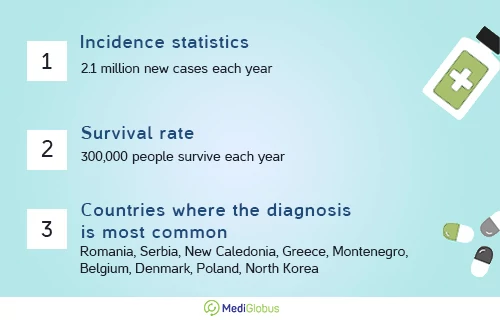
According to statistics from the World Cancer Research Fund (WCRFI), lung cancer is the most common oncology in the world. More than 2 million cases of the disease are reported each year. At stages 0 and 1 of lung cancer, the five-year survival rate of patients is high – 80-92%.
 Who is more prone to the disease: men and women between 30 and 49 years.
Average age: 70 years, interval between 50 and 75 years.
Place of residence: cities.
Work characteristics: people who work or have worked in mines, mills, textile factories, and heavy industry have a greater risk of developing lung cancer.
Lifestyle: active smoking, passive smoking, smoking marijuana.
Environmental influence: polluted air and inhalation of exhaust gases slightly increases the risks.
Influence of genetics: medium – having siblings with a diagnosis increases the risks of developing lung cancer.
Additionally: pregnancy after 30 years of age, abortions, taking hormonal drugs with oestrogen, courses of radiation therapy of the breast in the past, and treatment of breast tumours in the past increase the risks of developing this type of cancer.
Portrait of a man with lung cancer
A man between 50 and 75 years old who has worked in a mine or heavy industry for many years. He lives in a city with polluted air. Has been smoking since childhood or adolescence. The father has been diagnosed with lung cancer.
Portrait of a woman with lung cancer
A middle-aged woman. She has been diagnosed with breast cancer in the past and has been treated with radiotherapy. Lives with her husband who regularly smokes inside. Worked for a long time in a textile or shoe factory.
GET A LUNG CANCER SCREENING
You can get tested for predisposition to developing a tumour in your lungs. Leave your contacts and our coordinators will get in touch. We can book you into the clinic for a full body check-up.
PREDISPOSITION TO BREAST CANCER
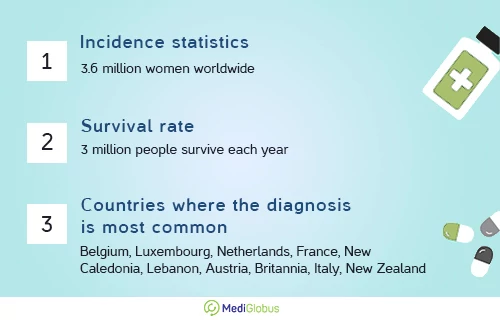
3,5 million women are living with breast cancer worldwide. Despite its prevalence, it is a very treatable diagnosis. Early treatment guarantees an almost 100% survival rate. And to be able to discover and treat breast cancer at an early stage, one must be aware of their predisposition.
Who is more prone to the disease: women; rarely the disease can be found in men with gynecomastia.
Average age: 55 years, main interval: 40 to 65 years.
Work characteristics: night shifts.
Lifestyle: smoking, alcohol intake, overeating, sedentary lifestyle, intake of fatty foods.
Genetics influence: strong – BRCA1 and BRCA2 genes and, the presence of relatives with this diagnosis increase the risks of breast cancer development.
Additionally: pregnancy after 30 years of age, multiple abortions, taking hormonal drugs with oestrogen, past courses of radiation therapy of the breast, and treatment of breast tumours in the past increase the risks of developing oncology.
Portrait of a woman with a malignant breast tumour
A woman in her 50s, a workaholic. She has been working night shifts for many years. The work is nerve-wracking and the only thing that calms her down is cigarettes. She smokes a pack a day. She had children at the age of 33. She does not have time to see a doctor because she is too busy.
Portrait of a woman with a malignant breast tumour
A woman of 45 years old, without bad habits. Outwardly healthy, leads an active lifestyle. When she was 22 years old, her mother was diagnosed with breast cancer. Her great-grandmother died from the same diagnosis.
Portrait of a woman with a tumour in her breast
A 40-year-old woman who smoked as a teenager, but then quit. When she was 20 years old she had an abortion. By the age of 30, her doctor prescribed hormones to treat infertility.
Make an appointment for breast cancer screening
Leave your phone number if you need breast cancer screening. By starting treatment early, you can cure the disease completely. A genetic test for breast cancer predisposition can save your life. Leave an application form and our coordinators will save you time and solve all the organisational issues of your medical trip.
PREDISPOSITION TO COLORECTAL CANCER
Colorectal cancer affects more than 2 million people. If the cancer cells have not spread to the lymph nodes, the survival rate is 90%. In the early stages, oncology develops asymptomatically, so you need to focus on risk factors.

Who is more prone to the disease: men.
Average age: over 50 years old. Risk increases every 10 years.
Work characteristics: working night shifts.
Lifestyle: alcohol consumption (more than 2 drinks a day), smoking, overeating, sedentary behaviour.
Additional factors: obesity, eating a lot of fried meat, low vitamin D levels, a history of cancer, and treatment of prostate cancer in the 80-90 years with radiation therapy increase the risk of colorectal cancer.
Other diseases: adenomatous polyps, dysplasia, inflammatory bowel disease, inflammation of the colon, Lynch syndrome, and type 2 diabetes in the patient’s history increase the risks of developing colorectal cancer.
Portrait of a man with colorectal cancer
A man in his late 60s. He works in a stressful job and developed a stomach ulcer in his 40s. Because of this, he is on a strict diet. His uncle is in remission after treatment for stomach cancer.
Portrait of a man with a colorectal tumour
The man is 55 years old and likes to drink alcohol. Every evening he gathers with friends to have a couple of beers, sometimes something stronger. Likes fatty food and is overweight. Doesn’t do sports.
Go for colorectal cancer screening
You can determine your predisposition to colorectal cancer at qualified check-up centres. Leave your contacts and our experts will contact you within 30 minutes.
PREDISPOSITION TO PROSTATE CANCER
Prostate cancer affects more than 1,2 million people each year. There are many options for its treatment, including chemotherapy, radiation therapy, Nano-Knife and Da Vinci robotic surgery. As a result, the survival rate for patients with this diagnosis is nearly 100%.

Average age: after 50 years of age. Incidence peaks at age 65.
Place of residence: urban (regions: North America, Northern Europe).
Lifestyle: smoking, sedentary lifestyle.
Influence of genetics: medium: having more than 2 relatives with prostate cancer, specific genes or family history with any type of cancer increases the risks of developing prostate cancer.
Influence of diseases: obesity, prostatitis.
Portrait of a man with prostate cancer
An elderly man of 65 years old without bad habits. He leads a healthy lifestyle: has a balanced diet and moves a lot. His father was diagnosed with stomach cancer. His cousin has also been treated for a prostate tumour and is now in remission.
Portrait of a man with prostate cancer
The man is 53 years old. All of his relatives are healthy and have long lives. The man smokes a lot and suffers from joint problems due to a sedentary lifestyle.
Go for a prostate cancer diagnosis
The disease does not wait for a convenient time and can appear suddenly. It must be detected and treated before the first symptoms appear. Cancer check-up or genetic testing can detect it in time. Contact our coordinators to organise a prostate oncology diagnosis.
PREDISPOSITION TO SKIN CANCER
Non-melanomatous skin cancer is the 5th most common skin cancer in the world. The chance of living five years or more after diagnosis is 95-100%. Skin cancer is slow-growing, rarely metastasises to other organs, is easy to diagnose and the treatment is well-tolerated.

Who is more prone to the disease: men.
Average age: 50-70 years old.
Place of residence: living near the equator.
Work characteristics: work includes exposure to arsenic.
Characteristics of hobbies: frequenting a tanning salon or sunlamps, lots of time spent at the beach.
Lifestyle: smoking.
Environmental influences: any conditions where there is more ultraviolet radiation in the area.
Genetic influence: having close relatives with skin cancer.
Optional: pale skin, freckles, past organ/bone marrow/stem cell transplants, weak immune system, past radiation therapy, burns/skin damage, taking steroid medications, taking immunosuppressants, multiple moles increase the risk of skin cancer.
Diseases: a history of skin cancer, actinic keratosis (Bowen’s disease), human papillomavirus, Gorlin’s syndrome, xeroderma, and Merkel’s polyomavirus increase the risk of developing skin cancer.
Portrait of a woman with skin cancer
A 55-year-old woman who is younger than she appears. She cares about her appearance and takes good care of herself. She likes tanned skin, so she regularly visits a solarium. Her third cousin had skin cancer.
Portrait of a man with skin cancer
A 55-year-old man from the northern part of Russia. As a young man, he worked in South Africa in an enterprise. Spent 7 years there before returning home. Received severe work-related burns in the first year.
Contact a coordinator
MediGlobus specialists can advise you on where to get a skin cancer screening. Leave a request and our coordinators will advise you free of charge.
PREDISPOSITION TO STOMACH CANCER
Gastric oncology is difficult to treat. Doctors give optimistic survival prognoses only for patients in the first stage. For this reason, a person needs to check his or her susceptibility to developing stomach cancer before the first symptoms appear.

Who is more prone to the disease: men.
Average age: risk increases after age 50, the highest in 60-80 years.
Work characteristics: coal, metallurgical and rubber industries.
Lifestyle: diet high in nitrates and nitrites (smoked meat, salted fish, pickled vegetables), smoking, overeating.
Influence of genetics: strong heredity factor – having a relative with any type of cancer increases the risk of developing stomach cancer.
Diseases: infection with H pylori bacteria, prolonged inflammation of the stomach, gastric MALT lymphoma, peptic ulcer, anaemia, and Menetrier’s disease in the patient’s history increase the risks of developing gastric cancer.
Portrait of a man with stomach cancer
Male 55 years old, never smoked or consumed alcohol. Lives on his own and likes to eat well. He buys ready-to-eat food in the supermarket, more often fried or smoked chicken. He works at a coke-chemical enterprise. There are no cases of oncology among relatives.
Portrait of a man with stomach cancer
A man in his 60s. He works at a nervous job and developed a stomach ulcer at the age of 40. Because of this, he is on a strict diet. There is an uncle who is in remission after treatment for stomach cancer.
Go for a gastric cancer diagnosis
A predisposition to stomach cancer is inherited. Take a genetic test abroad to find out if you are at stage 0 or stage 1 of the disease. MediGlobus coordinators will recommend a clinic that is convenient for your budget and location.
HOW CAN EARLY DIAGNOSIS OF CANCER HELP?
In the early stages of cancer, people have no symptoms. Patients find out by chance at routine check-ups, and this knowledge saves lives. We can compare the five-year survival rates of patients at stage 1 and stage 3 with the most common cancers:
| How many people live 5 years or more at stage 1 | How many people live 5 years or more at stage 3 | |
|---|---|---|
| Lung cancer | 70 – 92% | 12 – 36% |
| Breast cancer | 98 – 100% | 86% |
| Colorectal cancer | 80 – 95% | 40% |
| Prostate cancer | 100% | 80% |
| Skin cancer | 100% | 64% |
| Gastric cancer | 71% | 9% |
Cancer Checkup will help detect cancer at stage 0 and stage 1. Within 2-3 days, the patient is scheduled for tests and consultations with oncologists of different specialities. The cancer checkup programme is selected according to gender and age. For example, Quironsalud hospitals in Spain offer the following oncological diagnostics plans:
Cancer check-up for women
Laboratory tests;
Blood tests for cancer markers;
Mammography;
Lung X-ray;
Ultrasound of internal organs;
PAP smear;
Gastroscopy.
Cancer check-up for men
Laboratory tests;
Blood tests for cancer markers;
PSA test;
Lung CT scan;
Abdominal X-ray;
Colonoscopy;
Gastroscopy.
Make an appointment for a check-up
Many cancers are inheritable. A genetic test is an alternative way of determining your susceptibility to cancer. It analyses over 300 genes. The result will be ready in 3-4 weeks. Genetic testing accurately determines the possibility of cancer development several years before it begins.
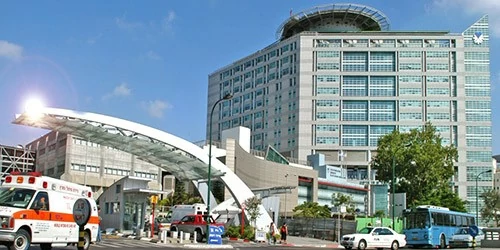
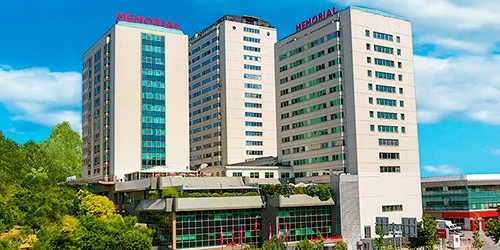
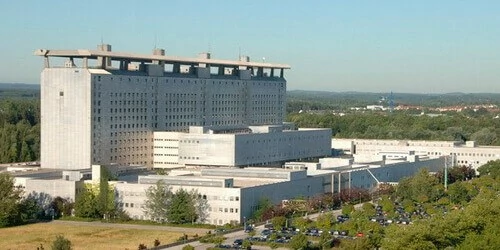
You can undergo cancer check-ups or genetic testing at the clinics:


Summary
Women between 30 and 50 years of age and men after 55 years of age are predisposed to lung cancer. Smokers and textile and industrial factory workers are at a high risk as well.
Breast tumours are more likely to develop in women who are genetically predisposed to this disease. Risks are increased in women who have been treated with hormonal drugs with oestrogen or have been treated with gynaecological cancer in the past.
Colorectal cancer occurs in men who smoke a lot, abuse alcohol and overeat. A diet high in fatty foods increases the risks. Having a history of bowel and colorectal disease increases a patient’s risk of developing the disease.
Prostate tumours develop in men after the age of 65. Patients who have several relatives with this diagnosis are at risk.
Skin cancer can occur in people who often have sunburn or are exposed to powerful ultraviolet radiation. The pathology more often affects white men.
Stomach cancer most often affects workers in the coal, metallurgical and rubber industries. Improper nutrition and bad habits increase the risks of developing the disease.
It is possible to diagnose cancer at an early stage. Foreign clinics offer cancer checkups and genetic testing. These examinations can save the lives of people with a predisposition to cancer.
Ask for a specialist consultation
Write to our specialists if you need help making an appointment for a cancer diagnosis. Our doctor coordinators will answer all questions about the procedure, clinic and travel arrangements.
Sources:
- 1. Causes of lung cancer development
- 2. Causes of breast cancer
- 3. Congenital and hereditary tendency to breast cancer
- 4. Risk factors for colorectal cancer
- 5.Causes of prostate cancer
- 6. Risk factors for the development of non-melanoma skin cancer
- 7. Causes of gastric cancer
- 8. Cancer predisposition genes: molecular mechanisms and clinical implications for personalised cancer care
- 9. American Association of Oncologists
- 10. World Cancer Research Fund