


2022 proved to be an extremely eventful year. The medical community has managed to make a positive contribution – in addition to the millions of lives they save with their daily work, they have also had time to develop new medicines and technologies that will help even more people in the future. Let’s discuss the most impressive medical breakthroughs of the year.

Listen to the article:
mRNA technologies in vaccine development

mRNA vaccines are a modern method of immunisation that uses a fragment of RNA from a pathogenic agent to activate the body against the disease instead of a weakened virus or bacterium, as is done in most cases.
Most people have heard of mRNA vaccines from the news about COVID-19, as they are the ones that are used to control the epidemic. Thanks to previous developments that have existed for several years, doctors were able to collaborate and develop a new vaccine in less than a year. Moreover, the technology has proved to be quite cost-effective and relatively easy to produce, so it has been quickly released and distributed around the world.
But what popular news headlines often miss is that mRNA vaccines have the potential to treat not only seasonal diseases but also more serious ailments. In particular, international teams of doctors are already working to develop new drugs for the Zika virus and cancer based on this technology.
Dozens of Phase III ‘cancer vaccine’ trials – that is, those conducted on real patients – are already underway in the US, Europe and Asia. Soon, we may have new drugs for pancreatic cancer, colorectal cancer, melanoma and other cancer diagnoses. Such vaccines will be personalised on a patient-by-patient basis to maximise their therapeutic effect.
A new treatment for prostate cancer – PSMA-targeted therapy
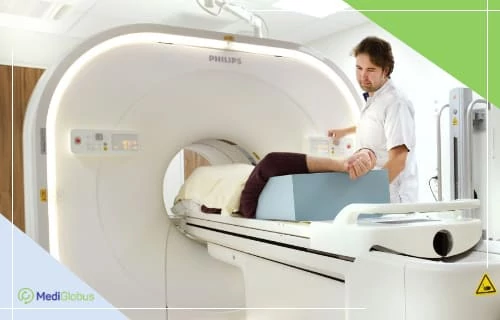
Many oncologists believe that the creation of drugs targeting the PSMA protein will change the way prostate cancer is treated in the future. Prostate-specific membrane antigen is a protein that is found in large quantities in prostate adenocarcinomas. It represents an ideal target for the diagnosis and treatment of this disease. Over the past 5 years, a large number of studies have been carried out on the use of this marker in the diagnosis and treatment of cancer. PET-CT with PSMA and SPECT with PSMA has become the most widely used technologies. They are much more accurate than conventional imaging techniques in detecting tumours at all stages of the disease, including the metastatic one.
One of the most promising treatment options for prostate cancer is considered to be targeted therapy with Lutetium-177. This is a drug made up of several components. One of these has a high sensitivity to the PSMA protein mentioned above, which allows it to detect cancerous foci in any part of the body. The second component is a tiny dose of the radioactive element Lutetium-177, which can destroy cancer cells. Interim studies show that this therapy is effective in 80% of cases.
New cure for amyotrophic lateral sclerosis

Amyotrophic lateral sclerosis (ALS) is a degenerative disease of the nervous system that leads to muscle atrophy. The standard of care for ALS is physiotherapy and drug therapy to control symptoms. One of the most famous people diagnosed with the condition is the scientist Stephen Hawking.
In 2022, for the first time in five years, the FDA approved a new drug for the treatment of amyotrophic lateral sclerosis. It is the drug Relivrio, which has the potential to slow down the progression of the disease.
Evidence from early trials suggests that the drug is particularly useful in the early stages of ALS. Preliminary trial results have shown that patients taking Relivrio remain functional and independent for longer.
An implant that allows paraplegic patients to stand on their feet
The most common cause of total loss of the ability to walk is a spinal injury. The connection between the brain and the body is damaged and patients are confined to a hospital bed. Restoring mobility requires long-term work with a physiotherapist and a great deal of effort on the part of the patient.
However, this may change with the creation of an intervertebral implant developed by a medical team at the Swiss Federal Institute of Technology. They have created a small device that helps transmit an electrical impulse between damaged neural pathways. Such stimulation retrains the damaged nerve networks in the spinal cord to receive and interpret the signals coming from the brain that persist after a spinal cord injury. This allows patients even with complete paralysis to partially regain sensation and mobility in their lower limbs.
How big is the effect of such an implant? The first patients to whom it was transplanted were able to take steps on a treadmill on the first day, albeit with the help of a harness, which supported most of their body weight. No other rehabilitation method that had existed before had shown such rapid results.

Four to six months of rehabilitation with an intervertebral implant was enough for patients to walk with the aid of a walker – results that previously could not be achieved in less than a year.
The FDA has given this invention ‘breakthrough device’ status. This usually indicates that it will be approved sooner than usual.
CRISPR – gene editing
A huge number of diseases are linked to abnormalities in the human genetic code, ranging from congenital diseases to cancer or a predisposition to diabetes. However, it is possible that in the future the genetic factor will not be such an incorrigible circumstance. CRISPR technology is already under active research, which, according to the most optimistic views, could start being used in medicine as early as next year.
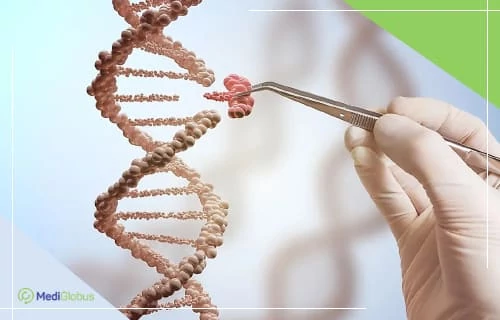
Clustered regularly interspaced short palindromic repeats, CRISPR for short is a genome editing technology that cuts DNA sequences at specific locations to alter them by removing an old sequence or inserting a new one. The technology can also be used to ‘turn on’ or ‘turn off’ genes without disrupting their sequences.
This method of treating genetic diseases has been “inspired” by bacteria which use a similar mechanism to counteract viral infections. The ability to edit genes has already met success in experiments on plants, animals, and human tissue. And in 2018, news spread about the first ‘genetically modified’ babies from China.
So what has changed in 2022? The tireless work of refining CRISPR technology is making it increasingly accurate and safe. Although genetic editing is far more reliable than classical selectionism, it is still not as accurate as we would like it to be. Gene cutting often does not go according to plan and unforeseen mutations are created as a result. Researchers at the Massachusetts Institute of Technology have been able to solve this problem. They have developed a new variant of CRISPR called PASTE. It is used to replace large sections of DNA and avoids unwanted damage to the genetic code.
The first cure for hypertrophic cardiomyopathy

Hypertrophic cardiomyopathy is a heart condition characterised by the thickening of the organ muscle. Patients with this diagnosis suffer from breathlessness, arrhythmia and chest pain. The standard treatment of the disease until this year was symptomatic combination therapy – a combination of beta-blockers, antiarrhythmic drugs and other medicines that relieve the symptoms. In particularly dangerous cases, patients may require surgery.
In 2022, patients diagnosed with hypertrophic cardiomyopathy have a new treatment option, the drug Mavacamten, which is the only one to show positive progress in treating the disease for many years.
This drug targets the cause of the disease itself – it reduces abnormal muscle contractions caused by genetic mutations. This eliminates the symptoms, improves the physical and social functioning of the patient and his/her quality of life; and avoids the unwanted side effects of taking large amounts of medication.
OrganEx – tissue repair technology after clinical death
A team of researchers from the Yale School of Medicine has developed the OrganEx system to restore cells and maintain tissue integrity in a functional state after the loss of blood flow.
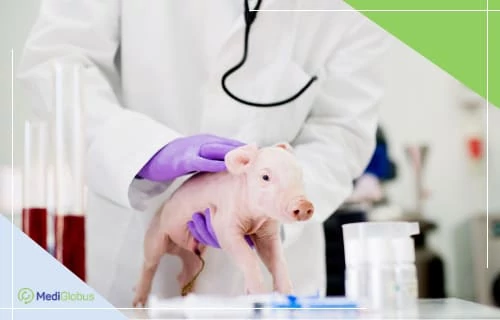
Using a special machine that pumps blood and other nutrient fluids around the body, researchers were able to repair cells and organs in pigs one hour after the animals’ hearts stopped. The device uses a mixture of their blood and a protective fluid containing oxygen, a synthetic form of haemoglobin, electrolytes and compounds designed to protect cells and prevent blood clots.
The perfusion stopped the death of cells in the liver, kidneys, heart and brain. Scientists were even able to find signs that the organs were ‘resurrected’ after the treatment – glucose processing was taking place in the liver and electrical activity was observed in the brain. Even at the genetic level, there were signs of tissue regeneration processes.
This breakthrough promises to open up huge opportunities in the field of transplantology if it can keep organ transplants alive long after the death of a donor.
Summary
 Precision medicine – a type of treatment that is individualised for each patient – remains a key area of medical development in 2022. Discoveries in genetics and biotechnology have various applications in the precision treatment of a myriad of diseases.
The biggest medical breakthroughs of 2022 are considered to be the development of mRNA vaccines, PSMA targeting technologies in the diagnosis and treatment of prostate cancer, intervertebral implants for patients with total paralysis, new drugs for amyotrophic lateral sclerosis and hypertrophic cardiomyopathy, tissue repair technology after clinical death and a new method of repairing DNA.
Thank you for spending this year together with MediGlobus! On behalf of the whole team, we wish you good health next year!

Sources:
- 1. National Cancer Institute: Can mRNA Vaccines Help Treat Cancer?
- 2. Prostate Cancer and Prostatic Diseases volume: Advances in PSMA-targeted therapy for prostate cancer
- 3. The Journal of Nuclear Medicine: Why Targeting PSMA Is a Game Changer in the Management of Prostate Cancer
- 4. Next-generation spinal implants help people with severe paralysis walk, cycle, and swim
- 5. New CRISPR-based tool inserts large DNA sequences at desired sites in cells
- 6.The Lancet: Mavacamten for treatment of symptomatic obstructive hypertrophic cardiomyopathy (EXPLORER-HCM): health status analysis of a randomised, double-blind, placebo-controlled, phase 3 trial