


Cancer recurrence remains one of the most difficult forms of disease to treat. A newly formed tumour may develop resistance to the drugs previously used and require a different approach. The first 5 years after achieving remission are considered the most critical in the life of a cancer survivor, as this is the period when most cases of recurrence occur. Despite this, you should not give up. Cancer recurrence can be treated, and you can take steps to prevent it. We will talk more about this in our article.

Listen to the article:
What is the importance of check-ups?

At the end of cancer treatment, after the tests have confirmed remission, the oncologist always sets up an
for routine oncological check-ups. On the scheduled dates, the patient will need to come to their oncologist for a consultation, tell them about any changes in their body, and undergo pre-arranged tests. These usually include imaging diagnostics (MRI/CT) and blood tests (including cancer markers).
Why does it matter? Even with the most thorough cancer treatment, there remains a non-zero risk that the disease will return. This happens when microscopic cells manage to “hide” from both the surgeon, chemotherapy and radiation therapy. After some time, they may start to divide and grow again, forming a tumour – in the same place as the first one, or another organ. This process is difficult to control and the likelihood of its development depends on several factors, among which are the type of cancer, the presence of clean resection margins after surgery, the patient’s age, etc.
In the case of tumour recurrence, frequent examinations allow for detecting it as early as possible and starting treatment immediately, maximising the patient’s chances of achieving remission again.
The first 5 years after achieving remission are the most critical in this regard. Medical guidelines recommend a check-up with an oncologist every 3-6 months for the first 2 years, and only every 6-12 months afterwards. The specific check-up schedule with an oncologist, however, may vary from one cancer patient to another – this is an individual issue. After the 5-year threshold, the risk of tumour recurrence is considered to be minimal.
CHECK-UP APPOINTMENT
To make an appointment for this overseas procedure, click on the button below and fill out the form. Our coordinators will call you back within 30 minutes. They will provide all the information you need and help you with your travel arrangements.
Prognosis of cancer recurrence
On average, the estimated probability of cancer recurrence, depending on the type of cancer, is as follows:
 Breast cancer – 5-30%;
Lung cancer – 24-48%;
Prostate cancer – 24-48%, depending on the degree of malignancy;
Kidney cancer – 13-49%;
Osteosarcoma – 5-45%;
Childhood leukaemia – 15-20%;
Hodgkin’s lymphoma – 10-50%, depending on treatment;
Colorectal cancer – 17% provided resection margins are clean;
Bladder cancer – 50% after cystectomy;
Ovarian cancer – 85%;
Head and neck tumours – 17-22%;
Melanoma – 15-41%;
Thyroid cancer – 8-30%.
The prognosis for treatment of cancer recurrence is very individualised and depends on which cancer we are talking about. The survival rate is very different, ranging from 20% to above 50%.
What diet should cancer patients in remission follow?
Diet is one of the factors that a person can influence to reduce the likelihood of cancer recurrence. Leading cancer organisations, including the World Health Organization (WHO), agree that obesity is one of the risk factors for cancer. According to recent research published in Cancers, being overweight increases mortality rates among cancer patients by 17%. With this in mind, achieving a healthy BMI – between 18.5 and 24.9 – can be the first step towards long-term health.
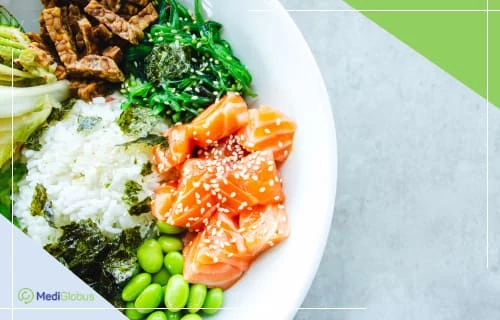
Great attention should also be paid to the composition of the diet. A balanced diet is necessary for the body to effectively fight off any disease, including cancer. The American Association of Oncologists offers the following recommendations for cancer survivors:
Eat plenty of fruit and vegetables every day;
Eat fibre-rich foods (e.g. legumes) every day;
Choose foods rich in complex carbohydrates rather than simple carbohydrates, such as buying wholemeal bread instead of regular bread;
Limit red meat (pork, beef, lamb) and replace it with white fish (hake, pollock) or white meat (chicken, turkey);
Avoid processed meats (e.g. sausages) and convenience foods;
Avoid foods high in white sugar;
Limit alcohol intake or avoid it altogether.
Some patients also take supplements to improve the health of their body. This is commendable, but remember that vitamins should not be taken without a doctor’s referral due to an identified deficiency. Studies reveal that elevated levels of certain substances, such as folic acid, can be dangerous for cancer patients.
In contrast, some foods have a proven protective effect on cancer survivors. This effect is small, but it’s still worth remembering that any foods should be taken in moderation and an oncologist should be consulted before any decision is made.
A 2019 study conducted jointly by the US Institute of Cancer Genetics, the IMDEA Institute of Nutrition and the Food Science Research Institute of Spain found anti-cancer effects in such foods and micronutrients:
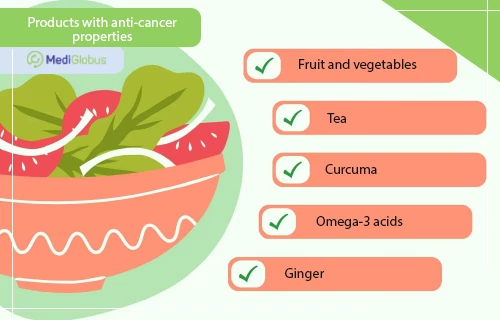
Breast cancer: curcumin, epigallocatechin gallate (high in tea), quercetin, aronia, castor oil;
Prostate cancer: apigenin (found in fruits and vegetables), curcumin, naringenin (high in citrus fruits and tomatoes), quercetin, Indian echinacea, sorghum;
For lung cancer: apigenin, curcumin, epigallocatechin gallate;
Colorectal cancer: curcumin, epigallocatechin gallate, omega-3 acids, ginseng, grape seeds, broccoli, orange peel, rosemary, shark liver oil;
For leukaemia: ginger.
Stress and cancer recurrence
Various studies investigating the relationship between stress and cancer suggest that stress may be a risk factor for recurrence. People with cancer are more likely to lead stressful lifestyles, rarely rest, and not seek help from others. Cancer patients are 31% more likely to suffer from depression and anxiety.
Chronic stress is dangerous for any person, as it disrupts the balance of the body at the endocrine level and can lead to chronic inflammatory processes. This is especially dangerous for cancer survivors, as they need a strong immune system to protect them from the disease returning. Modern research shows that even at the cellular level, cortisol – the main “stress hormone” – can “wake up” cancer cells in animal experiments.
However, the link between cancer and stress in humans is far more complex. Lead researcher at the Wistar Institute Cancer Centre, Professor Michela Perego, reassures patients: “Having stress in your life does not guarantee that it will trigger a cancer recurrence. It is a complex process with many components, and stress is only one of them. It takes several factors to come together for the disease to return”.

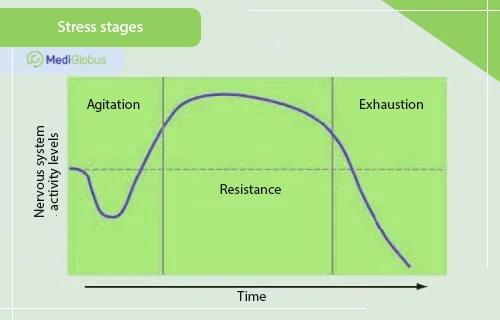
It is important to note that there are several types of stress – beneficial and harmful. Natural moments of tension, anxiety and conflict arising in everyday life are not dangerous if they pass with time. Stress helps a person to mobilise their strength and cope with obstacles. But in contrast, chronic stress – the constant tension without rest and respite – can harm your health.
So what can a patient do? Firstly, to reconsider their habitual lifestyle. A balance of work and rest, being outdoors every day, having support, a hobby or other ways to “blow off steam” are the first steps towards mental health. Creative activities, sports, yoga and mindfulness are great options for dealing with stress with scientifically proven effectiveness. If you can’t cope with stress, anxiety or depression on your own, you should not neglect the opportunity to seek professional help. Psycho-oncologists specialise in helping people undergoing cancer treatment and the survivors. They can help you learn how to cope more easily with life’s obstacles and how to cope with the fear of recurrence.
 Read:
Read: What else can be done to prevent cancer recurrence?
Studies show that up to 90% of breast cancer cases are related to environmental factors. These can be lifestyle (diet, exercise or lack thereof, smoking), indoor and outdoor toxins, and consumer products.
Quit smoking
Smoking is one of the most common carcinogens, increasing the risk of developing virtually all types of cancer. This applies to any form of nicotine ingestion – cigarettes, cigars, pipes, vaping, e-cigarettes, etc.
The American Association of Oncologists stresses that smoking not only increases the likelihood of tumour recurrence, but also reduces the effectiveness of treatment, increases the length of recovery, and increases the risk of complications (such as an infection).
Protect yourself from ultraviolet light
Ultraviolet is another dangerous carcinogen that most people deal with every day. All patients need to be aware of its dangers, not just those who have defeated melanoma.
Sunscreen with SPF 30 or higher should be applied daily to all areas of the body exposed to the rays, even in winter. It should also be remembered that over time it begins to be absorbed by the skin and lose effectiveness, so it will need to be reapplied every few hours as stated in the product instructions.
Stay physically active
Although a direct effect of physical activity on reducing the risk of cancer recurrence has not yet been identified, it has indirect positive effects on patient’s health by reducing the symptoms of anxiety and depression, improving emotional well-being, increasing self-confidence, and relieving some of the side effects of cancer therapy (fatigue, pain, nausea and diarrhoea).
The desirable level of physical activity for cancer survivors is moderate, steady and regular, without overloading the body. Your doctor will help you choose the best area of exercise based on your abilities and limitations. American Cancer Society offers the following guidelines:
At least 150-300 minutes per week of moderate-intensity exercise or 75-150 minutes per week of vigorous-intensity exercise.
At least 2 days a week of strength training.
Get genetic testing
Approximately 5-10% of cancer patients carry genes that make them predisposed to cancer. For this group of patients, the risk of an aggressive course of the disease, developing a second cancer or recurrence is elevated. Depending on the situation, there may be a reason to undergo genetic testing. Your treating oncologist will be able to help with this and advise you on which specific tests to undergo.
In addition, the results of genetic testing can also be useful for the patient’s relatives – if he or she is indeed found to have a “cancerous” gene, it means that they should also pay more attention to their health.
Reconsider household chemicals
Some chemicals have carcinogenic effects, which are particularly dangerous for cancer survivors. The biggest “offenders” are the gardening products such as pesticides and lawn chemicals. Professor Michelle Shane of the Wilmot Cancer Institute recommends carefully following all safety rules, limiting contact with these chemicals, and choosing phosphorus-free fertilisers.
Breast cancer survivors should also be careful with products containing parabens, phthalates, and petrolatum, as they can affect oestrogen levels.
Signs of cancer recurrence
People who are in remission need to keep a close eye on their bodies and report any changes to their doctor. They may well be caused by other illnesses, side effects of medication or other circumstances, but the cause of the symptom should always be investigated. Quite often, a recurrence of cancer will present with the same symptoms as before, so these should be the first thing to look out for. The specifics of the signs will very much depend on the type and location of the tumour.
Also, the signs of cancer recurrence may be as follows:
Pain;
Weight loss;
Loss of appetite;
Fever;
Swelling or nodules on the surface of the body;
Bruising;
Poorly healing wounds;
Shortness of breath;
Coughing;
Rashes and/or itching;
Frequent headaches;
Blood in urine or stools;
Diarrhoea;
Nausea and vomiting.
Life after cancer recurrence
What should you do if the worst has happened and doctors have confirmed that your cancer has recurred? Firstly, don’t give up. Cancer recurrence can be treated, and there is a possibility that the disease will go into remission again. Targeted therapy and immunotherapy are often used abroad at this stage – targeted cancer therapies that can help the patient even when standard chemotherapy protocols do not work. New, more effective drugs may have emerged since the first treatment was given.
Even in cases where the chances of achieving remission are slim, treatment can be beneficial, extending a patient’s life by years and relieving the symptoms of cancer.
It is important to remember that cancer recurrence is not the end.
For many patients, psychological support becomes very important at this stage. The emotions that a person experienced when they first learned of their diagnosis come back doubly; and many patients report that relapse was much more difficult for them. It is important to realise that shock, anger, fear, and despair are normal reactions to such a difficult situation and should not be kept silent.
Many patients at this stage experience doubts about the correctness of the treatment, and may even refuse to continue. However, it is important to remember that you and your medical team were making the best decisions possible at the time, using the information available to you. It is important to discuss your anxieties with your oncologist and oncopsychologist so that you can help you make the best decision now as well.
Here are some ideas that may help you to cope with the emotions caused by tumour recurrence.

You know more about cancer now
You are no longer battling the unknown. Think about how much you knew about cancer when you were first diagnosed. Compare that to what you know now, such as what treatment involves and what side effects you can expect.
You have connections and support
You already know the nursing staff who will support you through your treatment journey. You know who is responsible for what and who to turn to for help. Your family and friends also know how best to support you in this situation.
You have already dealt with this ordeal
You know what cancer treatment involves and how to deal with it, and you know you’ve already managed to beat it once.
You can and should ask for help
The medical teams in foreign hospitals work 24/7 to make cancer patients’ conditions as easy as possible. For any problem, you can ask for help from oncologists, nurses, oncopsychologists, rehabilitation therapists, nutritionists, etc. In addition, meditation, yoga, physical activity, and keeping a diary can be useful tools during this period.
Summary
Recurrence is the return of cancer after remission has been achieved. The likelihood of its development depends on the type and stage of cancer, the treatment performed (especially whether “clean resection margins” were achieved during surgery), the degree of malignancy of the tumour, etc.
All cancer patients in remission must be monitored by an oncologist and undergo regular check-ups. In case of tumour recurrence, it is important to detect it at the very beginning and remove it. Once the 5-year milestone is reached, the risk of recurrence of the disease is greatly reduced.
To prevent cancer recurrence, the patient can change the lifestyle: a healthy diet and sufficient physical activity, avoidance of carcinogens and excessive stress, and avoidance of smoking and alcohol.
Signs of cancer recurrence are often similar to the symptoms at the time of the diagnosis. However, any changes in the state of the body should be discussed with the doctor. In particular, you should pay attention if new lumps or bumps form, if there is pain, if there is sudden weight loss, etc.
Cancer recurrence is not the end. It is treatable. Many patients take it harder emotionally than the first encounter with the diagnosis. They may need extra care and support from loved ones. You can always seek advice from your medical team with any questions. They will be able to refer you to the right specialist.
To book this procedure abroad, click on the button below and fill in the form. Our coordinators will call you back within 30 minutes. They will provide you with all the information you need and help you organise your trip

Sources:
- 1. American Cancer Society
- 2. Nutrients: Precision Nutrition and Cancer Relapse Prevention: A Systematic Literature Review
- 3. University of Rochester: How to Lower Your Risk of Breast Cancer Recurrence
- 4. Deutsches Artzeblatt: Evidence-Based Follow-up for Adults With Cancer
- 5. World Journal of Surgical Oncology: Factors that predict recurrence later than 5 years after initial treatment in operable breast cancer
- 6. Cancer Recurrence Statistics
- 7. Cancers: Obesity and Cancer: A Current Overview of Epidemiology, Pathogenesis, Outcomes, and Management
- 8. Journal of the National Cancer Institute: Dietary Supplements and Cancer Prevention: Balancing Potential Benefits Against Proven Harms
- 9. National Cancer Institute:
- 10. Cancers: The Risk of Psychological Stress on Cancer Recurrence: A Systematic Review
- 11. The WHO: Obesity causes cancer and is major determinant of disability and death, warns new WHO report