NEEDS SUPPORT?
Call me back

Leave your phone number and our Medical Coordinator will contact you

Leave your phone number and our Medical Coordinator will contact you

Heidelberg University Hospital

Austria, Heidelberg

Clinic Review

Heidelberg University Hospital

The Heidelberg University Hospital is the largest medical centre in Germany. It was founded back in 1344 under the patronage of the Pope. Over the years it has become the leading hospital in Europe.

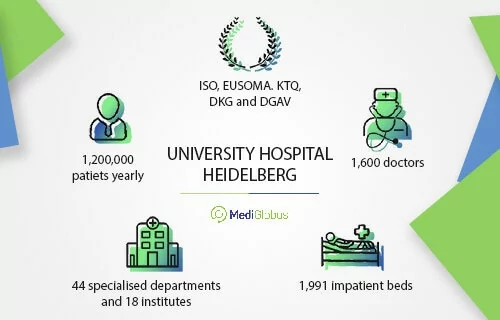
The Heidelberg University Hospital includes 44 specialized departments and 13 medical institutes. It offers 1,991 inpatient beds.

More than a million patients from all over the world are treated at the clinic each year. It employs 10,400 medical staff, 1,600 of whom are doctors and professors. Three professors received the Nobel Prize for Medicine while practising in this clinic.

Doctors from the United States, Israel and Asia come to Heidelberg University Hospital for advanced training and additional specialization.

The medical centre cooperates with international and national insurance companies.
Heidelberg Clinic Certificates

  •  ISO 9000 – Quality certification from the International Organization for Standardization;
  • DKG – certification of oncology centres;
  • DDG – German Diabetes Society certification;
  • KTQ – certification of the efficiency of medical services;
  • DGAV – German Society for General and Visceral Surgery certification;
  • EUSOMA – European Society of Breast Oncology certification.

Key specialities of the clinic

  • Cardiovascular surgery
  • Endocrinology
  • Nephrology
  • Neurosurgery
  • Obstetrics and gynecology
  • Oncohematology
  • Oncology
  • Ophthalmology
  • Orthopedics and traumatology
  • Pediatry
  • Pulmonology
  • Surgery
  • Transplantology
  • Urology

Interesting facts about the Heidelberg Hospital

  • At the beginning of the last century, the Heidelberg University Hospital was run by Dr Max Wilms. The doctor was the first person to discover and diagnose childhood nephroblastoma. The disease was consequently named after him.
  •  In 2016, for the first time in Europe, Heidelberg Clinic specialists successfully performed surgery on the spinal cord of a child who was in the womb.
  • In 1991, the clinic was the first in the country to laparoscopically remove lymph nodes affected by a prostate tumour.
  • The clinic performed the world’s first surgery to remove kidney and prostate tumours through the peritoneum.
  • The clinic was the first in the world to implant an IOL (multifocal toric intraocular lens), which corrects age-related hyperopia and corneal curvature.
  •  In 1967, the first kidney transplant was performed in Germany at Heidelberg Hospital. The surgery was undergone without any complications for the patient.
  • The hospital houses Germany’s largest stem cell bank. The International Myeloma Foundation (IMF) is investing more than 1,6 million euros in two research projects on the diagnosis and treatment of multiple myeloma carried out by specialists at the Heidelberg Clinic. Within the framework of these projects, more than 1,800 patients are undergoing treatment.

For international patients

The Heidelberg Clinic has been operating a telemedicine portal since 2016. It is designed to make it easier to request and receive an answer and to shorten the time needed to arrange treatment for international patients. The platform allows medical data to be transmitted to the clinic in the form of images (CT or MRI). Previously, patients were required to send these scans on CD-ROMs. Now the results of examinations are sent online. All patient information is stored in a personal file on the telemedicine portal.

The platform eliminates the problem of postal delays when sending CDs and DVDs with medical images. The data is sent through a secure portal. It meets the highest standards of confidentiality. The doctor has access to this information at all times during treatment.

Features of the Clinic

National Center for Tumor Diseases at Heidelberg University Hospital

The Heidelberg Clinic is home to the National Cancer Treatment Center. It has been certified by the DKG since 2010. More than 16,000 patients are treated here each year. About 70,000 cancer patients receive counselling. The centre has 500 medical employees. More than 20 oncological counselling sessions take place every week.

The treatment of oncology is under international protocols. Each patient is treated according to an individual oncological therapy program. The multidisciplinary approach forms the basis of successful cancer treatment at the Heidelberg Cancer Center.

More than 400 clinical trials have been conducted at the Center, 200 of which are in the field of cell therapy. They are aimed at finding and developing innovative methods of treatment of malignant neoplasms.

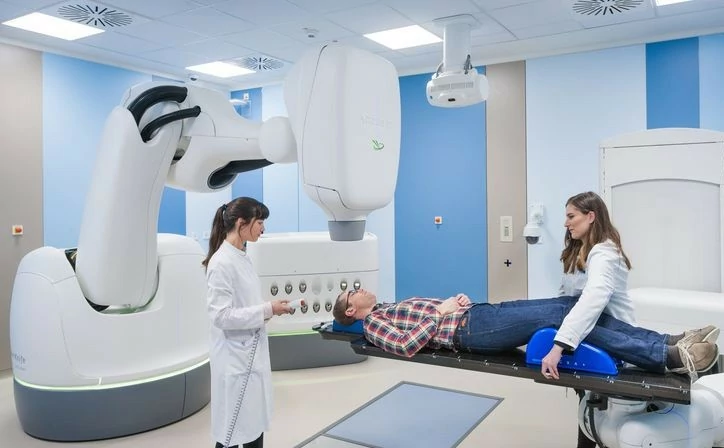
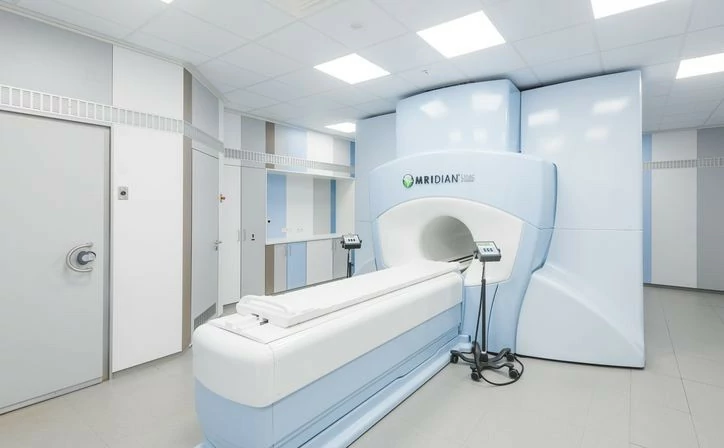
The centre was the first medical institution in Europe to use the new MR-Linac hybrid device for oncotherapy. This device simultaneously irradiates the tumour and provides precise images of the neoplasm.

Heidelberg University Hospital

Thanks to MR-Linac, for the first time it was possible to remove metastases in the abdomen of a patient with colon cancer without damaging neighbouring organs. Foreign patients come to this centre for treatment:

  • blood cancers;
  • brain and spinal cord tumours;
  • malignant tumours of the skin;
  • gynaecological tumours;
  • colon cancer;
  • lung cancer;
  • prostate tumours;
  • multiple myeloma;
  • pancreatic cancer;
  • connective tissue tumours (sarcomas).

Specialists at the National Center for Tumor Disease Control provide palliative care for terminal cancer patients. They use a new generation of drugs. They prolong the life of cancer patients and improve its quality.

Targeyed therapy
Oncologist consultation
Complex examination
Selection of targeted drugs
Rehabilitation recommendations

Get a free consultation

Chemotherapy
Consultation with an oncologist
Complex examination
Drug selection
Rehabilitation recommendations

Get a free consultation

Thoracic surgery at Heidelberg University Hospital

The Heidelberg Thoracic Clinic is one of the oldest and largest lung hospitals in Europe. It is part of the Heidelberg University Hospital. It has a 310-bed capacity. Every day, the doctors of the department perform minimally invasive surgery on the lungs and thorax using the latest generation of Da Vinci-X robotic system. Throughout the year, the Center performs 5,000 surgeries, including more than 2,300 on the thorax.

The clinic is certified by the German Cancer Society (DKG). It works closely with the German Cancer Research Center (DKFZ) and the German Center for Lung Research (DZL). They use and continuously improve cutting-edge methods for the diagnosis and treatment of diseases of the lungs, mediastinum and diaphragm.

T-cell therapy at Heidelberg University Hospital

CAR T-cell therapy
Screening
T-Cell Injection
Patient monitoring
Consultation with a doctor

Get a free consultation

Heidelberg Hospital is the first institution in Germany to start CAR T-cell therapy for the treatment of rare types of lymphoma and leukaemia. It is certified to use T-cells in the fight against various types of blood and lymphatic cancers. The hospital ranks among the largest stem cell transplant centres in Europe. During the treatment, T-cells are isolated from the patient’s blood. Then, under laboratory conditions, CAR molecules are formed on their surface. These molecules recognize tumours invisible to the immune system. They break down the proteins of the cancer cells and prevent them from growing.

The clinic has sufficient experience in T-cell transplantation. It has specially trained staff and the necessary conditions for intensive therapy of cancer patients. More than 300 adult stem cell transplants are performed here each year. The treatment success rate exceeds 90%.

Organ transplantation at Heidelberg Hospital

Heidelberg University Hospital

The Heidelberg Organ Transplant Center is the leading bone marrow, kidney, liver, heart-lung and pancreas transplant centre in Germany. The country’s first successful kidney transplant was performed here. Patients from various parts of the world travel here for treatment.

The centre’s speciality is Voluntary Donation. More than 500 healthy people have donated a kidney for a relative who was treated at the Heidelberg Clinic. From the voluntary donor, doctors remove part of the liver and transplant it to the recipient. Within a few weeks, it reaches the size of the whole organ.

The success rate of kidney and liver transplants at the Heidelberg Clinic is 97% and 93%, respectively.

Diagnosis and treatment of cardiovascular diseases

Thousands of patients are treated at the Heidelberg Cardiovascular Center. There are no age restrictions here. The centre accepts patients from birth. Every year, the clinic performs:

  • more than 9,000 cardiac catheter studies and treatments;
  • 2,500 cardiovascular surgeries;
  • 800 pacemaker system implantations;
  • ~300 heart surgeries with the use of a heart-lung machine and +100 without it.

A specific feature of the Center is the treatment of heart rhythm disorders using the Sensei robotic system. This method increases the accuracy of the surgery and reduces the radiation load on the body. During a robotic intervention, catheter ablation is performed without damaging healthy heart tissue.

Coronary artery bypass surgery
Consultation with a specialist
Complex examination
Bypass grafting on a beating heart
Inpatient rehabilitation

Get a free consultation

TAVI heart valve replacement
Specialist consultation
Full examination
Minimally invasive valve replacement through femoral artery puncture
Inpatient rehabilitation

Get a free consultation

Since 2016, the Center has been using a new catheterization technology for the non-surgical treatment of mitral valve insufficiency. During the procedure, the dilated heart valve is tightened with Cardioband tape. It does not damage the valve leaflets. Later, surgery can be performed without replacing the heart valve.

This method is indicated for the treatment of patients with heart failure who cannot undergo open-heart surgery.

Neurosurgery at Heidelberg Hospital

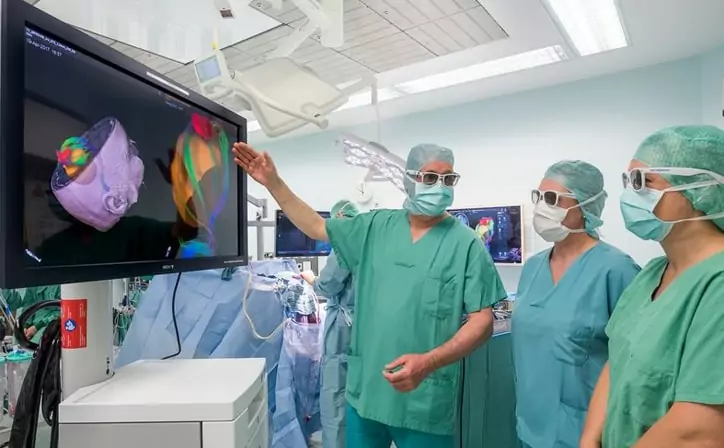
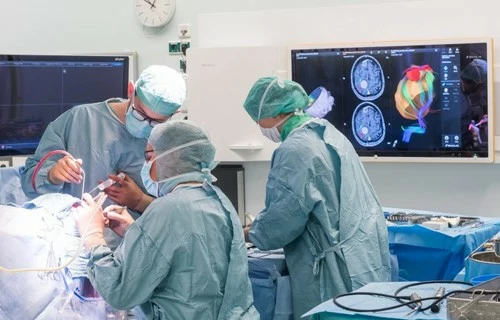
The Heidelberg Neurosurgery Department treats more than 12,000 patients and performs 3,500 operations each year. The BUZZ digital operating room system and the 3D TRENION system (HD) are used here. It integrates the examination results and provides a precise picture of the operated site. Thanks to the BUZZ system, MRI, CT, PET-CT, encephalogram, etc. images can be simultaneously displayed and combined on a widescreen during surgery.

The TRENION system displays a virtual computer model of the planned operation in 3D. It displays the three-dimensional image from the operating microscope on a large monitor.

Ophthalmology department at Heidelberg Clinic

The Heidelberg Eye Clinic opened in 1838. Here they use ultrasound and femtosecond laser to treat vision disorders. A variety of biomaterials and implants are available at the hospital to restore vision. The medical centre participates in international ophthalmology research. Therefore, innovative medications are available to patients.

At Heidelberg, the femtosecond laser has replaced the scalpel in corneal transplants and cataract surgeries. Physicians at the hospital developed the methods for such interventions.

The Ophthalmology Clinic is a centre for the treatment of retinal lesions and central vision disorders. The specialists of the medical centre use SurgiCube mini-surgeries. They are compact units in which the patient’s head is placed. It allows injecting medicine directly into the eye in sterile surgical conditions.

The use of the SurgiCube is a worthy alternative to the conventional operating room. It does not require special patient preparation.

Heidelberg University Hospital

The cost of treatment at the Heidelberg Clinic

The medical documents of foreign patients are evaluated by the physicians of the Heidelberg Clinic. They draw up a treatment plan and prepare the expected costs of treatment. This is a preliminary calculation. The actual costs can vary. A rough estimate for diagnosis and treatment at Heidelberg Hospital amounts to:

ProcedureCost
Consultation with a specialistfrom €500
Magnetic resonance imaging (MRI)from €1,100
Positron emission computed tomography (PET-CT)from €1,650
Computed tomography (CT)from €600
Angiographyfrom €1,800
Electrocardiographyfrom €250
Biopsyfrom €2,000
Ultrasonographyfrom €300
Basic check-upfrom €1,900
Laboratory testsfrom €350
ProcedureCost
Robotic prostatectomyfrom €20,000
Knee arthroscopyfrom €8,000
Prosthetic hip replacementsfrom €16,000
Mastectomyfrom €14,000
Laser removal of varicose veins of the lower extremitiesfrom €2,900
Focused ultrasonic ablation (HIFU)from €12,000
Hysterectomyfrom €19,000
Chemotherapyfrom €2,500
Cochlear implant surgeryfrom €16,000
Coronary artery stentingfrom €7,000

Testimonials (1)

Average clinic rating
  • 5
Bruno
Age: 66 years

I am very satisfied with the treatment I had at this hospital. I come from the countryside and have now experienced the difference between a country hospital and a university hospital. Back home, they weren't able to diagnose my issues a... Read more

Certificates

Certification according to DIN EN ISO 9001 by TÜV NORD CERT

Doctors

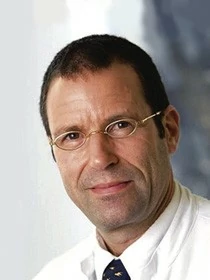
He is a specialist in perinatal medicine, obstetrics and gynaecology, and oncogynaecology.He specializes in obstetric care and treatment of patients with uterine, ovarian and breast cancer. He is head of the Department of Mammology and the Department of Obstetrics and Gynecology at the Heidelberg Medical Center. According to Focus magazine, Christoph Sohn is one of the leading breast oncology specialists in the world. He has over 39 years of experience.Professor Sohn is a member of:
  • German Society of Obstetrics and Gynecology;
  • German Association of Perinatal Medicine;
  • German Society of Ultrasound in Obstetrics;
  • International Society of Ultrasound in Medicine.

Doctor's specialization: gynaecology and obstetrics.
Проф. Кристоф Зон
Christoph Sohn
Experience: over 39 years
Obstetrics and gynecology
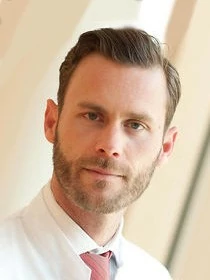
He specializes in gynaecological oncology, obstetrics and gynaecology.The professor performs organ-preserving surgery for uterine myoma. He is an expert in the treatment of uterine sarcomas, ovarian cancer, endometrial tumours, uterine fibroma and cervical cancer. Markus Wallweiner is published in international and national medical publications. He has over 14 years of experience.
Doctor's specialisation: obstetrics and gynaecology.
Проф. Маркус Валлвайнер
Markus Wallweiner
Experience: over 14 years
Obstetrics and gynecology
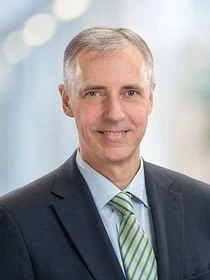
Specialist in the treatment of acquired heart disease and heart transplantation.Chairman of the Board and Senior Medical Director of the Heidelberg University Hospital. He heads the Department of Cardiac Surgery. Matthias Kark studied medicine at Christian Albrecht University in Kiel. He has over 34 years of experience.The professor specializes in the surgical treatment of cardiovascular pathologies. He has received the Hans-Borst Award from the European Association for Cardiothoracic Surgery and awards from the German Society for Thoracic, Heart and Vascular Surgery.
Doctor's speciality: cardiac surgery.
Проф. Матиас Карк
Matthias Kark
Experience: over 34 years
Cardiovascular surgery
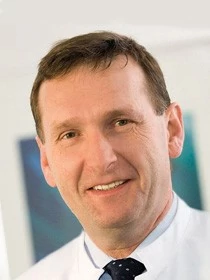
He specializes in the surgery of pancreatic pathologies.Leading surgeon and professor at the University of Heidelberg. He studied medicine at the Ruprecht Karl University Heidelberg, as well as general and cardiovascular surgery at the Free University of Berlin. The professor specializes in gastrointestinal, hepatobiliary and transplantation surgery. He is especially known for his pioneering operations on the pancreas.He has developed new surgical techniques and with his staff at Heidelberg performs over 800 pancreatic surgeries a year. On his initiative, the European Pancreas Center was established at the Heidelberg University Hospital. As an academic surgeon, he specializes in oncological surgery and the development of new surgical techniques. He has more than 40 years of experience.He has co-authored over 2,000 scientific publications on gastrointestinal cancer, pancreatic diseases, and clinical surgical problems. Bülcher has received numerous awards and prizes at the international and national levels.
Doctor's speciality: surgery.
Проф. Маркус Вольфганг Бюхлер
Markus Wolfgang Büchler
Experience: over 40 years
Surgery
Specialist in the treatment of diabetes and thyroid diseases.He is the medical director of the Heidelberg University Hospital. He heads the Department of Endocrinology. The professor treats hormonal insufficiency and metabolic disorders. He performs oncotherapy for tissue cancer.Peter Nawrot is eligible for membership in the German Society for Endocrinology, the German Diabetes Society and the International Association for Thrombosis and Hemostasis. The doctor has more than 40 years of experience.
Doctor's specialization: endocrinology.
Проф. Петер Наврот
Peter Nawrot
Experience: over 40 years
Endocrinology

Location of the Clinic

Im Neuenheimer Feld 400, 69120 Heidelberg, Germany
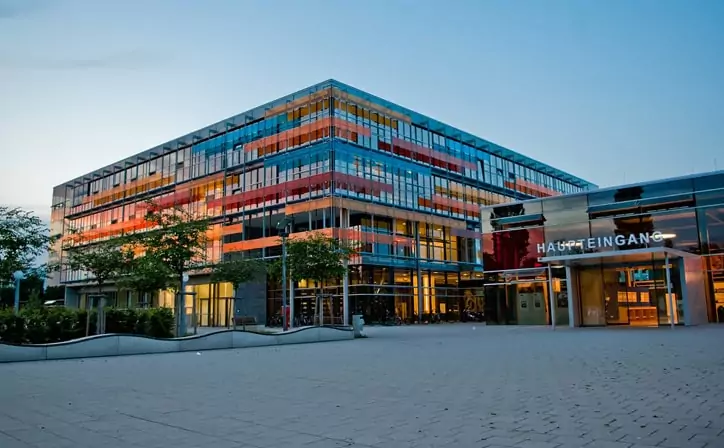
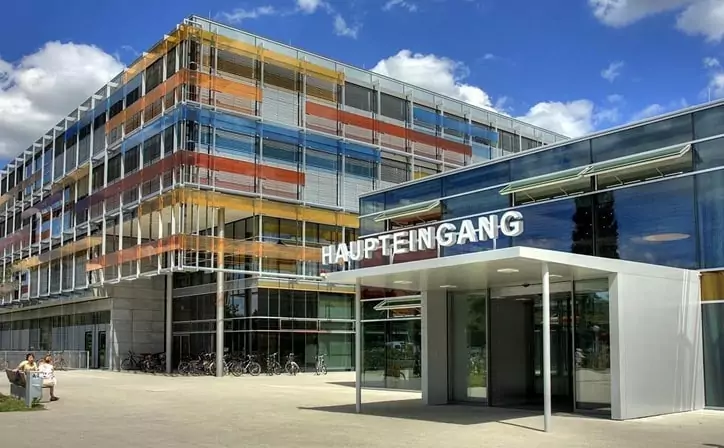
Most of the departments and medical institutes at Heidelberg University Hospital are located in the Neuenheimer Feld area, the western part of Heidelberg. The nearest airport to the hospital is Mannheim Airport. It serves international and national flights. The distance from the airport to the clinic is 16,3 km. Near the main building of the Heidelberg Hospital, there is the Olive Restaurant, the BräuStadel Brewery, the DJH Hotel Jugendherberge Heidelberg International and the Heidelberg Zoo.
Austria
Austria
The specialists of the MEDIGLOBUS Support Team will help you to get an individual Treatment Plan with a Price Quote.

Similar clinics

Girin Plastic Surgery Clinic

Medicana Ataköy Hospital

Ewha Medical Center

Leave us a Review


    Successful
    This email already registered, please resend form

    Leave your request

    Благодарим за обращение.

    Наши координаторы обрабатывают
    вашу заявку.