


In the pursuit of an ideal body, especially when diets and exercise do not help, more and more people turn to plastic surgery, namely liposuction. This procedure has become one of the most popular techniques in aesthetic medicine due to its ability to safely and effectively achieve the desired results. However, like any surgical procedure, liposuction requires careful preparation and proper follow-up care to avoid unwanted consequences and maintain the achieved effect. In this guide, we will tell you everything about liposuction – the main types of surgery, preparation for the procedure, recommendations for maintaining the results, as well as a list of the most popular clinics and plastic surgeons.
What is liposuction?
Liposuction is a surgical procedure to remove excess fat deposits and contour the body. It is performed to correct the shape of the breasts, abdomen, thighs, buttocks, neck, chin, upper and back arms, calves and back. The surgery is performed by inserting a thin cannula through small incisions in the skin, after which the fat cells are destroyed and removed using a vacuum.
Liposuction is one of the most common surgeries in the field of aesthetic medicine. According to the latest ISAPS global survey, approximately 2,3 million liposuction procedures were performed worldwide in 2022.

In some cases, liposuction can be performed to treat gynaecomastia (enlargement of male breasts due to excessive development of glandular tissue or fat deposits), lymphedema (tissue swelling due to impaired lymphatic drainage), lipoma (a benign tumour formed from adipose tissue) and other diagnoses.
Interesting facts about liposuction:
 Liposuction is not only performed on women. In recent years, more and more men have resorted to this surgery to correct problem areas such as the abdomen and breasts.
One of the advantages of liposuction is that the incisions through which the cannula is inserted are very small, usually around 3mm. This minimises the appearance of scarring after the procedure.
Liposuction is not a substitute for a healthy diet and regular exercise. It helps remove excess fat from certain areas of the body but does not address the cause of the excess weight.
If you have sagging skin after significant weight loss or due to the natural ageing process, liposuction will not solve the problem. Abdominoplasty or skin tightening is used instead to correct the issue.
The first results of liposuction are visible immediately after the procedure, but the final effect becomes noticeable after a few weeks or months when the swelling subsides.
The removed fat cells do not regenerate, making the results of liposuction long-lasting. However, it is important to maintain a stable weight to maintain the effect.
Like any surgical procedure, liposuction has its risks. Possible complications include infection, skin irregularities, and changes in sensitivity.
Who is the ideal candidate for liposuction?
The ideal candidate for liposuction is a person who is moderately or locally overweight and cannot get rid of fat deposits through diet and exercise. According to the guidelines of the American Society of Plastic Surgeons, the liposuction procedure is recommended if your weight is no more than 30% bigger than your goal weight. However, if you are looking for a more significant weight loss, other methods would be more appropriate. In addition, to achieve the best results, the skin should be firm and elastic enough and the muscles should be healthy enough to ensure even healing and avoid possible complications.
Liposuction of the abdomen or any other part of the body requires a serious approach and careful preparation. Contact MediGlobus for a free consultation to find out which clinics perform this procedure using modern methods and guarantee excellent results.
 Read:
Read: Types of liposuction
There are several main types of liposuction, each with its features, advantages and disadvantages:
| Method | Description | Who is it suitable for | Advantages | Disadvantages |
|---|---|---|---|---|
| Tumescent liposuction | Injection of saline solution with anaesthetic and vasoconstrictor under the skin, then removal of fat by vacuum. | Most patients | Minimal blood loss, less pain and swelling, high precision | Lengthy procedure due to the large volume of fluid injected |
| Ultrasonic liposuction (VASER liposuction) | An ultrasound cannula destroys fat cells, turning them into an emulsion that is then easier to remove with a vacuum | Patients with dense and fibrotic areas (male breasts, back, areas where liposuction has been previously performed) | Suitable for difficult areas, effective destruction of dense fat deposits | Duration of the procedure, low risk of burns and skin damage |
| Vibrational liposuction | A special cannula with a vibrating nozzle destroys fat cells, which are then removed by vacuum | Patients with large amounts of fat requiring precise correction | Efficient and fast fat removal | Vibration discomfort for some patients |
| Laser liposuction (Hollywood liposuction) | Uses tumescent fluid and laser light that destroys fat cells | Patients who want a minimally invasive procedure and safe fat removal with less blood loss | Less invasiveness and blood loss. The laser beam stimulates collagen production, which makes the skin tighter | Low risk of burns and heat damage, may take longer for full effect |
Preparation for liposuction procedure
Preparing for liposuction is an important step that includes choosing a doctor and clinic, consulting with the medical team, undergoing all the necessary tests and examinations, and following certain pre-surgery recommendations.
Choosing a doctor and clinic
The first step before liposuction is to choose a qualified plastic surgeon and clinic. Here are some guidelines:
Make sure the surgeon you choose has the proper certification and experience in performing liposuction.
Pay attention to reviews and testimonials from other patients or acquaintances.
The clinic should be licensed and equipped with state-of-the-art equipment.
Consultation with a surgeon
A consultation with a plastic surgeon is an important step that allows you to discuss all the details of your upcoming surgery. The following questions are worth discussing at the consultation:
Discuss your goals and expected results of liposuction. It is important to understand that the procedure is not a weight loss method, but is intended to correct body contours.
Tell your doctor about your medical history, including any chronic conditions, allergies and previous surgeries.
Discuss the possible risks and complications of the procedure and how to minimise them.
Your surgeon will help you choose the most appropriate liposuction method based on your characteristics.
Learn about the anaesthesia options that may be used during the surgery.
Medical examination before the operation
Before liposuction, a medical examination is required to ensure that there are no contraindications to the surgery. It may include:
general blood test, biochemical analysis, coagulogram (assessment of blood coagulation), general urinalysis;
electrocardiogram to assess the cardiovascular system;
fluorography or chest X-ray to rule out lung disease;
depending on the state of health, one may require additional examinations, such as abdominal ultrasound or consultations with specialists (cardiologist, endocrinologist, etc.).
Contraindications to liposuction
Certain medical conditions and factors can serve as contraindications to liposuction:
severe cardiovascular disease;
blood clotting disorders;
severe forms of diabetes mellitus;
infectious diseases in the acute phase;
oncological diseases;
pregnancy and lactation period;
mental disorders.
Preoperative recommendations
Before liposuction, it is necessary to follow certain recommendations that will help prepare the body for the operation and reduce the risk of complications.
A few days before surgery, it is recommended to follow a light and balanced diet. Avoid heavy foods, alcohol and caffeinated drinks.
Your doctor may recommend you temporarily stop taking certain medications such as anticoagulants, anti-inflammatory drugs and vitamins to reduce the risk of bleeding.
It is recommended that you increase your fluid intake.
If you smoke, try to stop smoking at least two weeks before and after surgery, as smoking slows down the healing process.
If you have any questions about having liposuction abroad, click on the button below and fill out the feedback form. A MediGlobus coordinator will call you back with all the information you need about the procedure and clinics.
Liposuction procedure
Liposuction is performed under local or general anaesthesia. The type of anaesthesia depends on the volume and area of the procedure, as well as the patient’s preference and the surgeon’s recommendations.
Local anaesthesia is used to treat small areas of the body. The patient remains conscious and the area of surgery is anaesthetised using local anaesthetics. Epidural or spinal anaesthesia is used for larger areas of the body such as the abdomen or hips. The patient remains conscious but does not feel any pain in the lower body.
General anaesthesia is used for larger amounts of liposuction or for patients who prefer to be completely unconscious during the procedure.
Stages of the procedure
The liposuction procedure involves several key steps:
Preparing for surgery | The doctor will mark the areas where the fat will be removed. Anaesthesia is then administered depending on the type chosen. |
Injection of a tumescent solution | If the tumescent technique is used, the doctor injects a special solution containing saline into the area to be treated. This solution helps to reduce blood loss, facilitate fat removal, and reduce pain after surgery. |
Cannula insertion and fat removal | Through small incisions in the skin, the surgeon inserts a thin tube called a cannula. The cannula is connected to a vacuum machine or syringe to suction the fat. The surgeon gently moves the tube under the skin, breaking up the fat cells and suctioning them out. Depending on the liposuction method, ultrasound, laser, or mechanical vibration may be used to break up the fat before it is removed. |
Completion of the procedure | After the desired amount of fat has been removed, the incisions are sutured or closed with a band-aid. In some cases, the doctor may leave the incisions slightly open to drain any remaining solution and fluid. |
Do I need to be hospitalised after liposuction?
In most cases, liposuction is performed on an outpatient basis and the patient can leave the clinic the same day. However, if the procedure is large or general anaesthesia is used, short-term hospitalisation may be required to monitor the patient’s condition in the first hours after surgery. Your doctor will discuss the need for hospitalisation with you at your initial consultation.
Possible risks and complications
Liposuction performed by an experienced surgeon using modern equipment is considered a safe procedure that can provide good results. However, as with any surgical procedure, there is a risk of some complications:
minor bleeding and bruising after the procedure may occur;
although the risk of infections is minimal if sterility is maintained, they may occur and require antibiotics;
in some cases, the skin may become uneven due to uneven fat removal;
there may be fluid accumulation under the skin which may require drainage;
allergic reactions and other problems associated with the use of anaesthesia may occur;
in rare cases, blood clots may form, posing a serious health risk;
temporary or permanent loss of sensation in the treated area may occur.
It is important for patients to discuss all possible risks with their surgeon before the procedure and to strictly follow the recommendations to minimise complications and ensure a successful recovery.
Postoperative care and recovery
The postoperative period is an important part of a successful liposuction recovery. Following your doctor’s recommendations will help minimise discomfort and speed healing.
Immediately after liposuction, patients may experience numbness in the area where the procedure was performed. Usually, these sensations gradually disappear over 6-8 weeks. In the first few days after surgery, pain, swelling and bruising in the treated areas may occur. Fluid – a mixture of tumescent solution and blood – may ooze from the incisions. This is a normal reaction of the body.
After liposuction, it is important to follow several recommendations for successful recovery:
Patients are advised to wear compression underwear or bandages on the treated areas. This helps to reduce swelling, maintain the new body shape and speed up healing. The underwear is usually worn around the clock for the first few weeks.
In the first few days after surgery, you should avoid physical activity and get plenty of rest. A gradual return to a normal lifestyle begins after 1-2 weeks.
Incisions should be kept clean and dry. The doctor may prescribe antiseptic agents to treat the wounds.
Painkillers and antibiotics may be prescribed to reduce pain and prevent infection.
Drinking plenty of water and eating a balanced diet will help the body recover faster.
Maintaining results
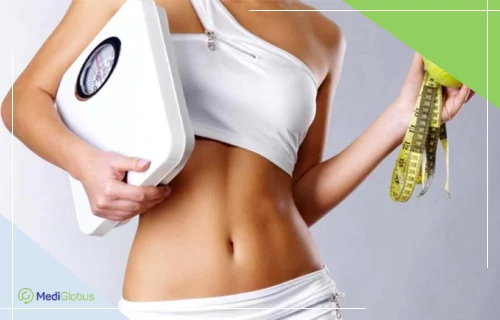
After liposuction, achieving and maintaining optimal results requires active patient involvement. Although liposuction removes fat cells, they may return with weight gain. Therefore, it is important to adhere to certain guidelines to maintain long-lasting results.
The main factor in maintaining liposuction results is to maintain a healthy lifestyle. It is recommended to include vegetables, fruits, foods rich in proteins and healthy fats in the main menu. This will help to maintain a stable weight. Patients need to avoid excessive intake of sugar and salty foods and drink enough water. Hydration is important for overall health and helps maintain skin tone and metabolism.
Physical activity plays an important role in maintaining liposuction results. The recommended schedule is getting exercise 3-4 times a week.
The skin after liposuction also requires special care. To keep it firm and elastic, it is recommended to use moisturisers. A light massage can improve blood circulation and help the skin to adapt faster. It is also a good idea to avoid prolonged exposure to the sun and use sunscreen to prevent UV damage to the skin.
Regular check-ups with your doctor can help you stay informed about your health and prevent the development of diseases or other problems. The most convenient way to keep track of your health is a Check-Up exam. This procedure is available in many clinics abroad and takes only 1-2 days. After the check-up, you will receive the results and the doctor’s recommendations, which will help you make the right decisions to maintain your health.
Frequently asked questions about liposuction
Is there an alternative to liposuction?
One alternative to liposuction is body lipomodelling, also known as lipofilling. This procedure involves removing fat from one part of the body through liposuction and transplanting it to another area to improve contours and add volume. Lipomodelling not only reduces fat deposits but also can be used to augment other areas such as the buttocks, breasts or face. This makes the dual-action procedure attractive to those who want to comprehensively improve body shape.
Abdominoplasty and liposuction – what is the difference?
Unlike liposuction, abdominoplasty involves not only removing excess fat but also excising excess skin and tightening the abdominal wall muscles. This addresses sagging skin and muscles, which often occurs after significant weight loss or pregnancy. Liposuction, on the other hand, is limited to removing fat through small incisions, improving body contours but not eliminating excess skin or strengthening muscles. Thus, abdominoplasty provides a more comprehensive improvement in the shape and appearance of the abdomen.
Is it possible to remove fat from the abdomen or other areas without surgery?
Yes, it is possible to remove belly fat without surgery using non-invasive procedures such as:
Cryolipolysis (CoolSculpting) – non-surgical liposuction is performed by freezing fat cells, which are then naturally eliminated from the body.
Ultrasonic Cavitation (Cavitation Liposuction) – the use of ultrasonic waves to destroy fat cells.
Laser lipolysis – lasers heat and destroy fat cells, which are then excreted through the lymphatic system.
Radiofrequency therapy (RF) – radiofrequency heats the subcutaneous layers, stimulating the breakdown of fat and tightening the skin.
Caramel liposuction of the face and other areas is an innovative cosmetic procedure using caramel acid to destroy fat cells. The method includes the application of masks, wraps and massage of problem areas. The benefit of the treatment is that caramel acid not only destroys fat cells but also helps to stimulate collagen synthesis, which helps to improve skin firmness and texture.
These methods are safe and require minimal recovery time, although several sessions may be required to achieve noticeable results. Medical approaches such as lipotropic injections can also help reduce fat and improve metabolism.
At the leading international plastic surgery clinics, liposuction of the abdomen and other areas is performed using state-of-the-art equipment specifically designed to maximise effectiveness and safety. Contact MediGlobus specialists who can help you find a certified clinic and a qualified plastic surgeon, as well as organise travel to the procedure.
Clinics and doctors
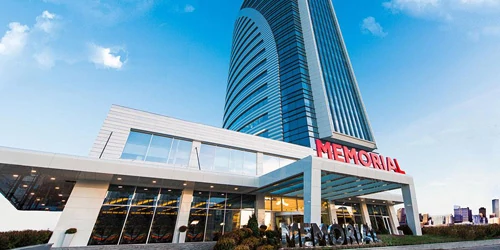
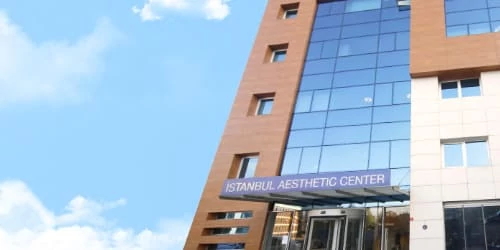
In the field of plastic surgery, the most popular destinations are Turkey, South Korea, Poland and Israel. Clinics in these countries are regularly certified and have modern equipment. Foreign plastic surgeons are constantly improving their skills and knowledge, exchanging experience to keep abreast of the most modern and effective methods. This allows them to achieve a high level of professionalism and provide patients with high-quality and safe treatment.






The popular plastic surgeons specialising in liposuction
Dr Bülent Cihantimur is a Turkish plastic surgeon, renowned around the world. He is the founder of a clinic with the same name. The doctor is among the top 50 plastic surgeons in the world. His experience is more than 20 years. Doctor Cihantimur has authored 8 surgical techniques in the field of aesthetic medicine. Among them is a unique procedure called Cihantimur fat transfer.
Dr Ömer Sağır is a popular plastic surgeon from Turkey. He trained there, and later in the USA. Dr Sair has helped hundreds of patients over 13 years of his practice. He is a member of international and national plastic surgery societies and is certified by the European Board of Plastic Surgeons.
Dr Ju Kwon is considered to be one of the best plastic surgeons in South Korea. He has been working in the field of plastic surgery for more than 20 years. He participates in international and Korean plastic surgery societies and is the vice president of the Korean International Medical Association.
Dr Park Sang Hoon is a sought-after plastic surgeon in Korea and among foreign patients. His experience exceeds 27 years. The doctor is an expert in performing laser body liposuction and is a member of the Korean Association of Plastic and Reconstructive Surgery.
Liposuction before and after pictures


Cost of surgery abroad
The liposuction service package includes the following services:
doctor’s consultation;
examination;
surgery;
hospitalisation (1 day);
compression knitwear;
post-operative counselling and dressings;
interpreter for the entire stay in the clinic;
hotel (provided in a complete package);
transfer.
| Procedure | Turkey | Israel | Spain | Poland |
|---|---|---|---|---|
| 360° liposuction | from $3,500 | from $6,500 | from €6,500 | from €5,500 |
| Liposuction of 1 zone | from $2,500 | from $4,500 | from €3,800 | from €2,500 |
Summary
Liposuction is a surgical procedure aimed at removing excess fat deposits and changing the body shape.
Liposuction is recommended for moderate or localised excess weight, not exceeding +30% of ideal weight.
There are several methods of liposuction – tumescent, ultrasound, laser and mechanical. Each of these methods has its features and advantages, which allow the surgeon to choose the most appropriate method depending on the individual needs and desired results of the patient.
Contraindications to liposuction include severe cardiovascular disease, blood clotting disorders, severe forms of diabetes mellitus, infectious diseases in the acute phase, cancer, pregnancy and lactation, as well as mental disorders that may affect the decision to perform the surgery.
Preparation for liposuction includes consultation with the surgeon, performing the necessary examinations and tests, as well as compliance with the doctor’s recommendations before the operation, such as temporary discontinuation of certain medications and limiting the consumption of food and drinks before the procedure.
Liposuction is usually performed under local or general anaesthesia, depending on the extent of the procedure and patient preference. The surgeon inserts a thin cannula through small incisions in the skin, destroys the fat cells and sucks them in using a vacuum machine or syringe. After the procedure is completed, the patient can either leave the clinic the same day or, if necessary, stay under the supervision of doctors for 1-2 days.
Liposuction, like any surgical procedure, is not without risks and possible complications. These can include minor bleeding, bruising, infection, and skin irregularities. It is important to discuss all potential risks with your surgeon before surgery and strictly follow the recommendations to minimise them and ensure a successful recovery.
In the postoperative period, it is important to follow your doctor’s recommendations, wear compression underwear to reduce swelling and maintain body shape, and give yourself plenty of time to rest and recover. Pain and swelling in the treated areas usually decrease within the first few days, and results become noticeable in 4-6 weeks when the body has fully recovered from the surgery.
Although liposuction removes fat deposits, maintaining the results requires a healthy lifestyle and proper diet.
Removing the abdomen surgically or performing liposuction of another part of the body is possible in many countries and clinics. However, the most popular countries among the patients with this request are Turkey, South Korea, Poland and Israel. Clinics in these countries offer a wide range of services and provide a high level of professionalism and safety.
In-demand plastic surgeons are Bulent Cihantimur, Ömer Sağır, Ju Kwon, Park Sang Hoon.
In Turkey prices for 3D liposuction start from $3,500, in Israel – from $6,500, in Spain – from €6,500, in Poland – from €5,500. Prices for liposuction of one area in Turkey start from $2,500, in Israel – from $4,500, in Spain – from €3,800, in Poland – from €2,500. When choosing a clinic and country for the procedure, it is important to consider not only the price but also the reputation and experience of the specialists, as well as quality and safety standards.
To get access to experienced plastic surgeons, contact MediGlobus. Our experts will help you find the best doctor and book your liposuction appointment as soon as possible. We will organise your trip, ensure a comfortable stay in a foreign clinic and provide support at all stages of treatment.

Sources:
- 1. The Latest Global Survey from ISAPS Reports a Rise in Aesthetic Surgery Worldwide
- 2. American Society of Plastic Surgeons
- 3. National Health Service
- 4. MedicalNewsToday