


Stem cell therapy is an experimental treatment for autism spectrum disorders. There is a lot of conflicting information surrounding it – hopeful parents and happy patient stories, but also scandals and unscrupulous doctors. So who can be trusted? Today, we will help you get to the bottom of this difficult question.
Is it possible to cure autism with stem cells?
Research carried out by doctors from different countries suggests that stem cell transplantation may help to alleviate some of the symptoms of autism.
Autism is a group of neurological disorders that are most commonly diagnosed in early childhood. The main signs are impaired social development, withdrawal and hypersensitivity. It is important to understand that this is a spectrum of disorders – each patient differs significantly from the others in their symptoms. Researchers have identified more than 1,000 genetic factors associated with this diagnosis, and even more environmental factors. Because of this circumstance, it is not yet possible to speak of a one-size-fits-all approach to helping people with autism. Each patient needs an individual therapy plan.
The possibility of treating autism with stem cells was first raised in the 2000s. At that time, researchers at Duke University found that this therapy could help patients with metabolic disorders. The latter were found to have improved cognitive abilities in people with autistic spectrum disorders (ASD) after injecting them with stem cells. Since that time, doctors have been investigating the possibility of using this method for autism as well.
There are several theories as to how stem cells improve brain function in patients with autism:
 Eliminate neurological inflammation, which is common in patients with autism;
Protect neurons from further damage;
Promote cell survival;
Help restore functional connections between neurons;
Trigger tissue regeneration mechanisms;
Suppress the immune oversensitivity typical for this diagnosis.
While autism cannot be completely cured, a large number of methods can be used to help the person better adapt to society and to alleviate the most severe symptoms of the condition. Stem cell therapy also works in this direction. Parents report that their children become less hypersensitive and can withstand eye contact for longer.
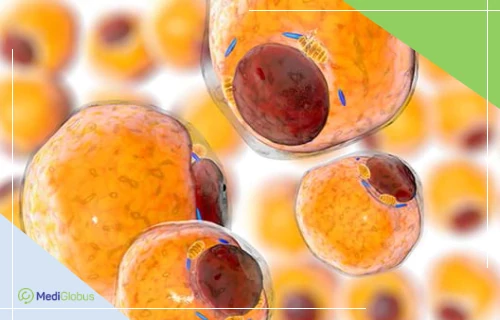
Doctors use two types of stem cells to treat autism – umbilical and mesenchymal, or a combination of both. Mesenchymal cells are cells that are usually isolated from adipose tissue, although in some cases, bone marrow is used for this purpose. They differ from other types of stem cells in that they do not cause a strong immune response. Therefore, a histocompatibility test does not need to be performed before the procedure, as is the case with bone marrow transplants.
In 2017, the FDA confirmed that treatment with stem cells, particularly those derived from umbilical cord blood, is safe to use in the treatment of certain childhood diseases, including autism.
Feedback on autism stem cell treatment
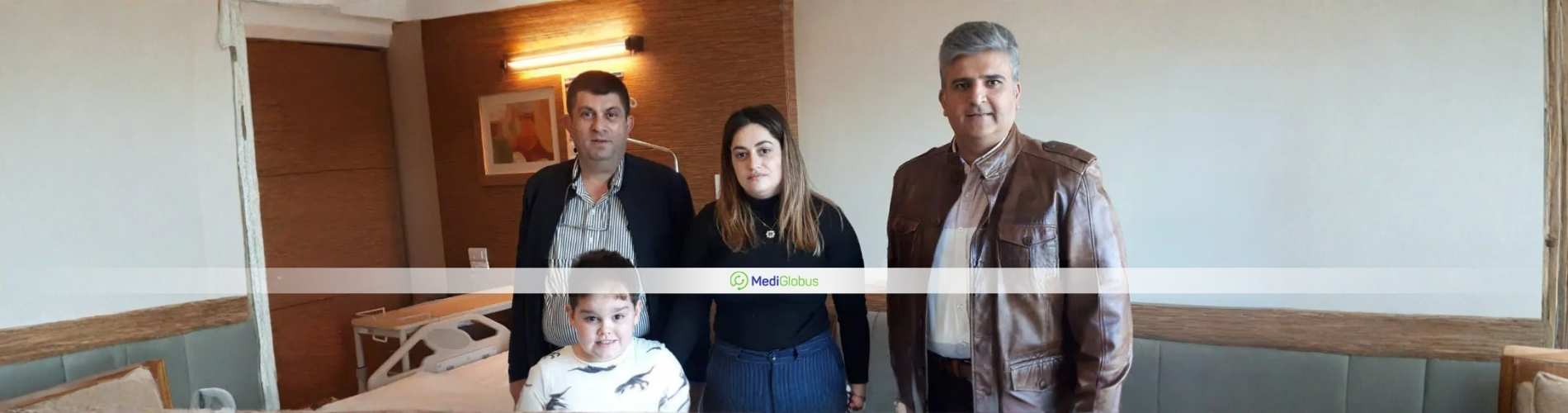
This spring, our patients from Romania returned from a successful stem cell treatment of autism in Turkey. This treatment, per international standards of cell therapy, was carried out at the Medistate clinic.
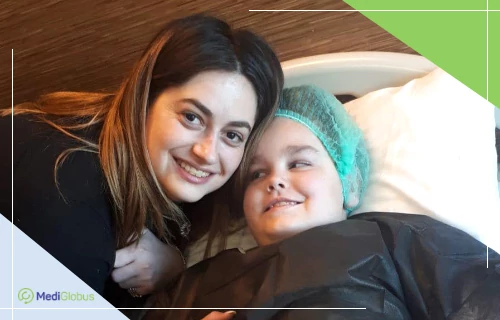
This was their second trip for treatment and the family is pleased with the results. The boy showed an immediate positive response to the stem cell treatment for autism. The child became more contact and sociable and spoke to his family and friends more often.
The first injection of stem cells was given to the boy back in winter, and the second course was carried out in spring. The effect of the stem cells could be seen in 14 days after the injection.
The child’s family thanked the hospital and the doctors who accompanied them through the treatment.
To find out more about autism stem cell treatment in Turkey, please contact the coordinating physicians of MediGlobus International Platform. We will consult you free of charge, answer your questions and help you organise your treatment abroad.
Is there scientific evidence for the effectiveness of stem cells in autism?
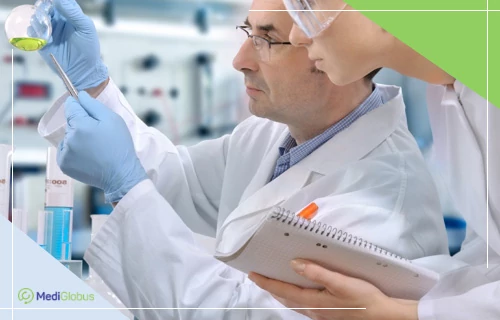
Since 2014, 15 studies have been conducted in seven different countries to find the effect of stem cells on children with autism. There has been no unanimous answer to this question – some doctors have discovered very good results, while others have seen no change. The reason for this mixed response is that doctors used different types of stem cells, different methods of preparing them and different dosages. The accuracy of the results was also affected by the small study groups and the lack of control groups to compare results.
Although the positive effects of stem cell transplantation in autism can be confirmed scientifically, due to the heterogeneity of studies, no guidelines for the application of this method can yet be drawn up. For this reason, it continues to be considered experimental in the international community, although many clinics already offer it as a treatment for patients with this diagnosis.
 Read:
Read: What outcome should be expected from stem cell transplantation for autism?
Back in the 1990s, Dr Joanna Kurtzberg, one of the pioneers of this field, found that children with metabolic diseases who also had symptoms of autism had better cognitive scores and lived longer after stem cell therapy.
Parents whose children have benefited from stem cell therapy say they have improved their behaviour and ability to concentrate, and their anxiety has gone down. They may also see an improvement in their social skills, both in communicating and maintaining eye contact. It is important to understand, however, that we are talking about symptom relief and not a full recovery; an autistic child will not become non-autistic from stem cells.
The best results are seen in children with a non-verbal IQ above 70.
Another question remains unanswered – how long does the effect of the treatment last? Most doctors who use stem cells monitor their patients for 6-12 months, during which time the progress is maintained.

Sign up for treatment abroad
MediGlobus will help you get your appointment for a stem cell transplant quicker, without waiting in lines. We offer quality service, a client-centred approach, and international clinics with good value for money. Apply for a free consultation by clicking on the button below.
Possible side effects
Mesenchymal stem cell treatment is proven safe. Extensive research in 14 countries has shown that it does not cause acute toxic reactions, illness or death.
Also, unlike other types of stem cells, these do not increase the risk of tumours.
The only side effects that can be seen with stem cell treatment are a short-term fever, nausea and vomiting, and pain at the injection site. These do not occur in all patients.
In addition, be aware that if a child receives several injections of donor stem cells, there is a risk that the child will develop antibodies to the foreign cells. This will make it impossible to perform a bone marrow transplant in the future if he or she develops haemato-oncological diseases. With the use of the patient’s stem cells, there is no such risk.
The cost of treating autism with stem cell therapy
Keep in mind that stem cell therapy is still considered an experimental treatment for autism, so there are no generally accepted treatment protocols. A large number of medical centres around the world offer the procedure and each one follows its algorithms for collecting, preparing and injecting the cells. This will affect the results of the treatment.
To be 100% sure that your child will receive quality treatment and your money will not be wasted, always pay attention to such aspects:
Is the clinic certified to work with stem cells? Examples of documents authorising the practice are cGMP and EATCB.
Does the practitioner have experience in treating children with autism with stem cells? Can he or she share information about the effectiveness of the treatment or successful cases?
The cost of autism stem cell treatment abroad starts at $7,500-9,000 for 1 injection. The exact price depends on the clinic where the procedure is carried out, the type of cells and their concentration, the addition of exosomes, etc. The treatment usually consists of 3 injections of stem cells.
Summary
Stem cell transplantation for autism is an experimental treatment that has allowed many patients to alleviate the symptoms of the condition in their child – improving self-control of behaviour and ability to concentrate, reducing anxiety, and improving social skills.
As stem cell transplantation for autism remains experimental, treatment protocols vary greatly between clinics and therefore the results of the procedure. The choice of the clinic should be approached with particular care, paying close attention to the availability of certificates for stem cell treatment.
The price of autism stem cell treatment in Turkey is lower than in countries in Europe with a similar level of medicine where the procedure is carried out. The cost of one injection starts from $7,500 and depends on the type of cells and their concentration, the addition of exosomes, etc.
Feedback from parents of patients on autism stem cell therapy shows an improvement in the child’s condition and an increase in their child’s sociability and contact skills.
Sign up for treatment
To book an appointment for a stem cell treatment abroad click on the button below and fill in the form. Our medical coordinators will contact you shortly to address all your concerns.
Sources:
- 1. Parent’s Guide to Cord Blood Foundation
- 2. Brain Sciences: Stem Cell Therapies for Cerebral Palsy and Autism Spectrum Disorder—A Systematic Review
- 4. Developmental Medicine & Child Neurology
- 5. Journal of Translational Medicine: Transplantation of human cord blood mononuclear cells and umbilical cord-derived mesenchymal stem cells in autism
- 5. Stem Cells Translational Medicine: Autologous Cord Blood Infusions Are Safe and Feasible in Young Children with Autism Spectrum Disorder
- 6. Stem Cells Translational Medicine: Safety and Observations from a Placebo-Controlled, Crossover Study to Assess Use of Autologous Umbilical Cord Blood Stem Cells to Improve Symptoms in Children with Autism